


Post was created on 05/08/2023.
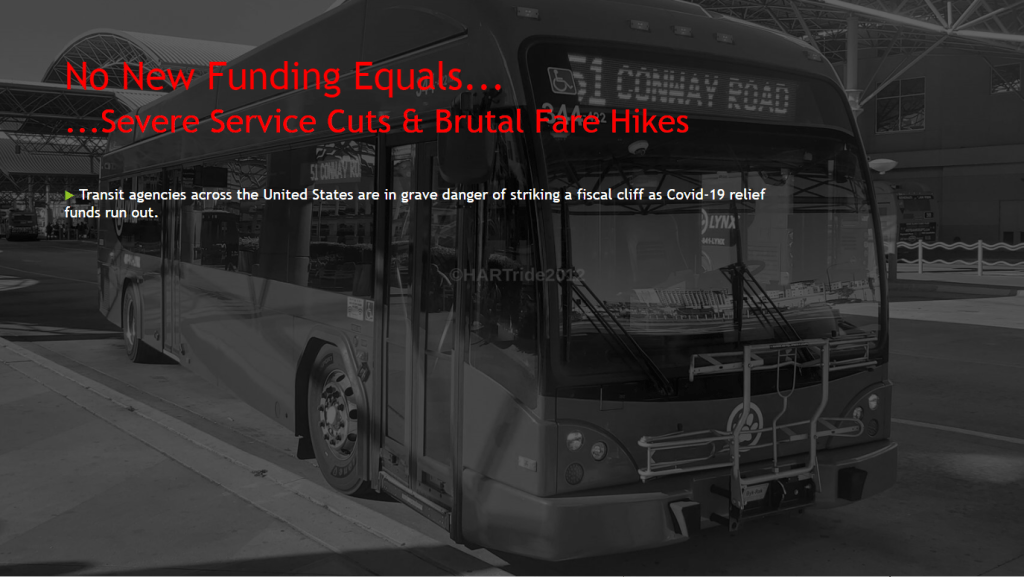
The future of public transportation in the United States is very grim right now
The Coronavirus pandemic of 2020 decimated transit ridership across the globe as mass lockdowns prompted most of the world’s populace to hunker down at home. Public transportation was seen as an essential service during this time – as many working in the healthcare, construction, & other vital industries still needed ways to get to & from work safely, efficiently, & reliably. As part of the short-term recovery effort, the United States Congress passed the CARES Act, which helped funnel needed money to transit agencies across the country to help support operations & offset the loss of fare revenue.
While the world has largely been able to somewhat recover from the worst of the pandemic, many challenges still remain:
- Ridership remains down from 2019 levels. Some agencies are unable to recoup 30 to 40% (or more) of lost ridership due to substantial changes in commuting patterns & employers continuing to provide work-from-home options.
- Staffing challenges & fleet reliability issues have kept some agencies from restoring pre-pandemic service.
- CARES Act relief funds are being exhausted by many transit agencies as we approach the middle of 2023. It is being predicted that most agencies will have exhausted their CARES Act funds by the end of 2024, if not sooner.
- Only limited discussion within the levels of government (local, state, & federal) have taken place thus far as to how to support public transportation for the long-term, post-pandemic. Or so it seems…
- The long-standing misconception that public transit only serves the poor & the disabled continues to grip the overall mindset of many within the country.
Without proper funding & support for public transit in the long-term, many transit agencies stand to lose even more customers because they will have no choice but to severely reduce service across the board, while enacting brutal fare hikes.
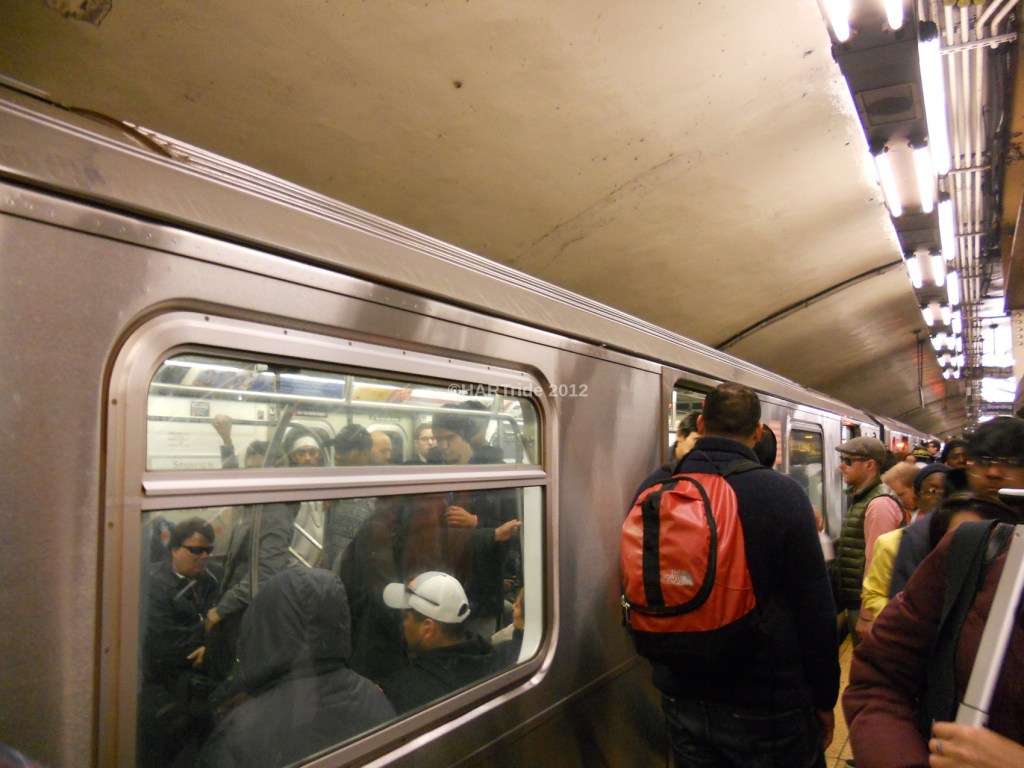
Without federal funding assistance, the New York MTA would have already had to massively cut service & hike fares. The agency is absolutely not out of the woods yet when it comes to having to prepare for a draconian scenario – neither is any other transit agency in the country.
What if?
Imagine a doomsday scenario in New York City – the most populated metropolis in the United States…
Note: This is purely a hypothetical scenario.
You’re waking up on a Monday morning & you learned last month that your employer was going to begin requiring all employees to work in the office location in Manhattan 3 days a week – Tuesday, Wednesday, & Thursday. Last week, a news report blared on the TV, advising that the New York MTA would be enacting severe cuts to its system in the coming months due to a lack of funding. Under the plan, 50% of bus, subway, & commuter rail service would be eliminated, fares would increase by 40% across the board, & hundreds of employees would face layoffs.
While the above scenario is again…hypothetical…it is something that the New York MTA is unfortunately having to prepare for should necessary funding avenues not be available. Support from local, state, & federal governments have been able to keep the MTA chugging along up until now. The future remains uncertain without further funding support from the government.
Transit Equity Contradicted
If transit agencies are forced to slash service & hike fares, it will completely negate the concept of transit equity. Transit equity is about providing safe, affordable, reliable, & environmentally sustainable public transportation service to all – regardless of income, background, where they live, etc.
It is already a challenge for agencies to have to retool their networks to adhere to the changing post-pandemic commuting patterns while providing more service where needed. But the entire principle of transit equity gets thrown out the window & into the fire pit when agencies are simply unable to provide service because the funds & support are no longer there.

Your voice matters!
What Can You Do?
- Be engaged with your area’s transit agency.
- Contact your elected officials.
- Attend public meetings when possible. If unable to attend a meeting (physically or virtually), submit your concerns in writing.
- Participate in community efforts to preserve transit service & funding.
- Tell others you know about the value of public transit.
Together, we can save public transit!
Connect with the Global Transit Guidebook!
Be sure to bookmark: http://globaltransitguidebook.com
 The Global Transit Guidebook