
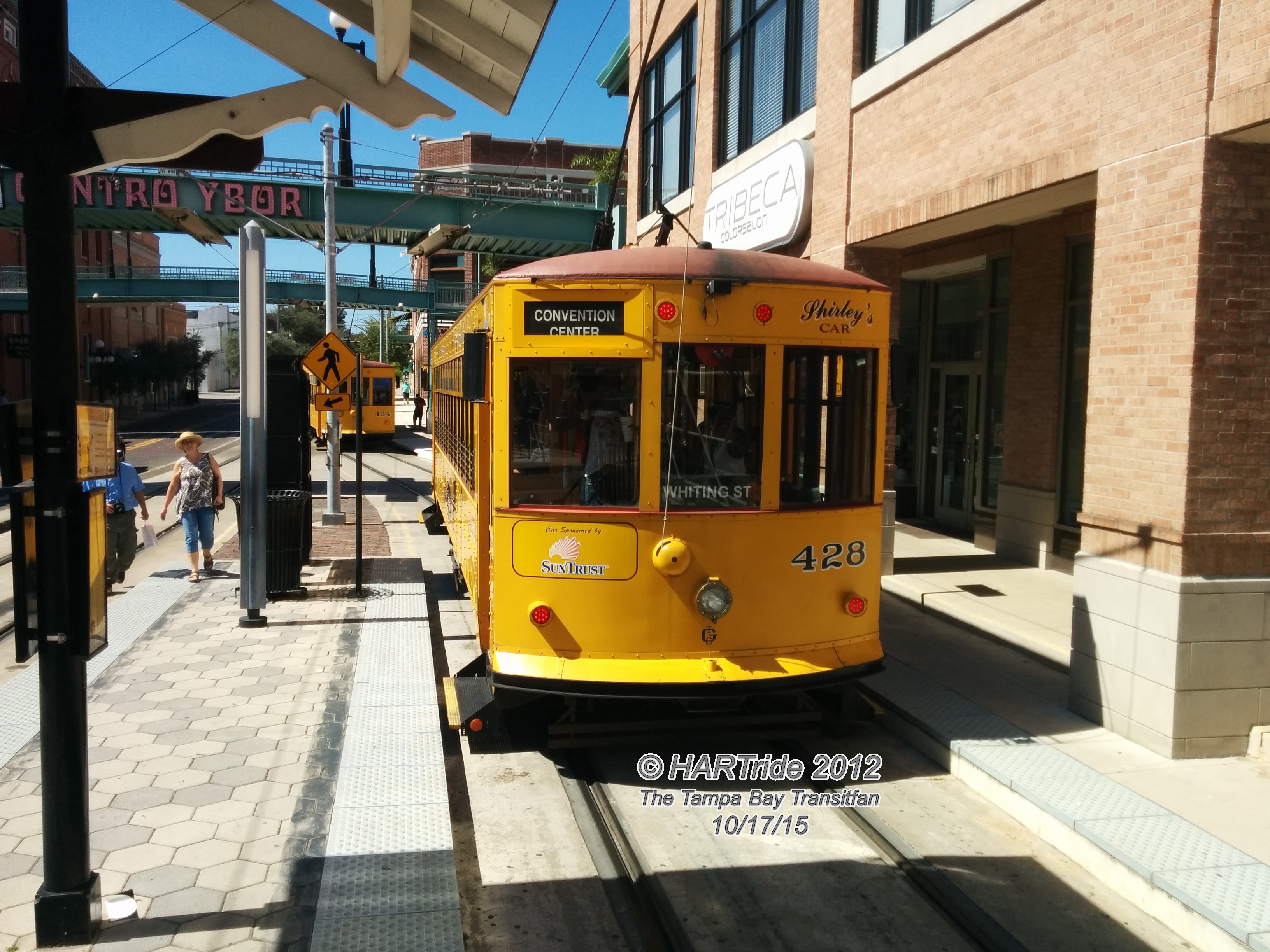
All Aboard for the TECO Line!
Page was last updated on 11/09/2023.
Some Information & Photos on this page were provided by:
Shawn B.
Steve Y.
Because I keep all TECOline Streetcar information on one page, I’ve included the contents below to allow visitors to jump to a particular section if they desire:
Overview
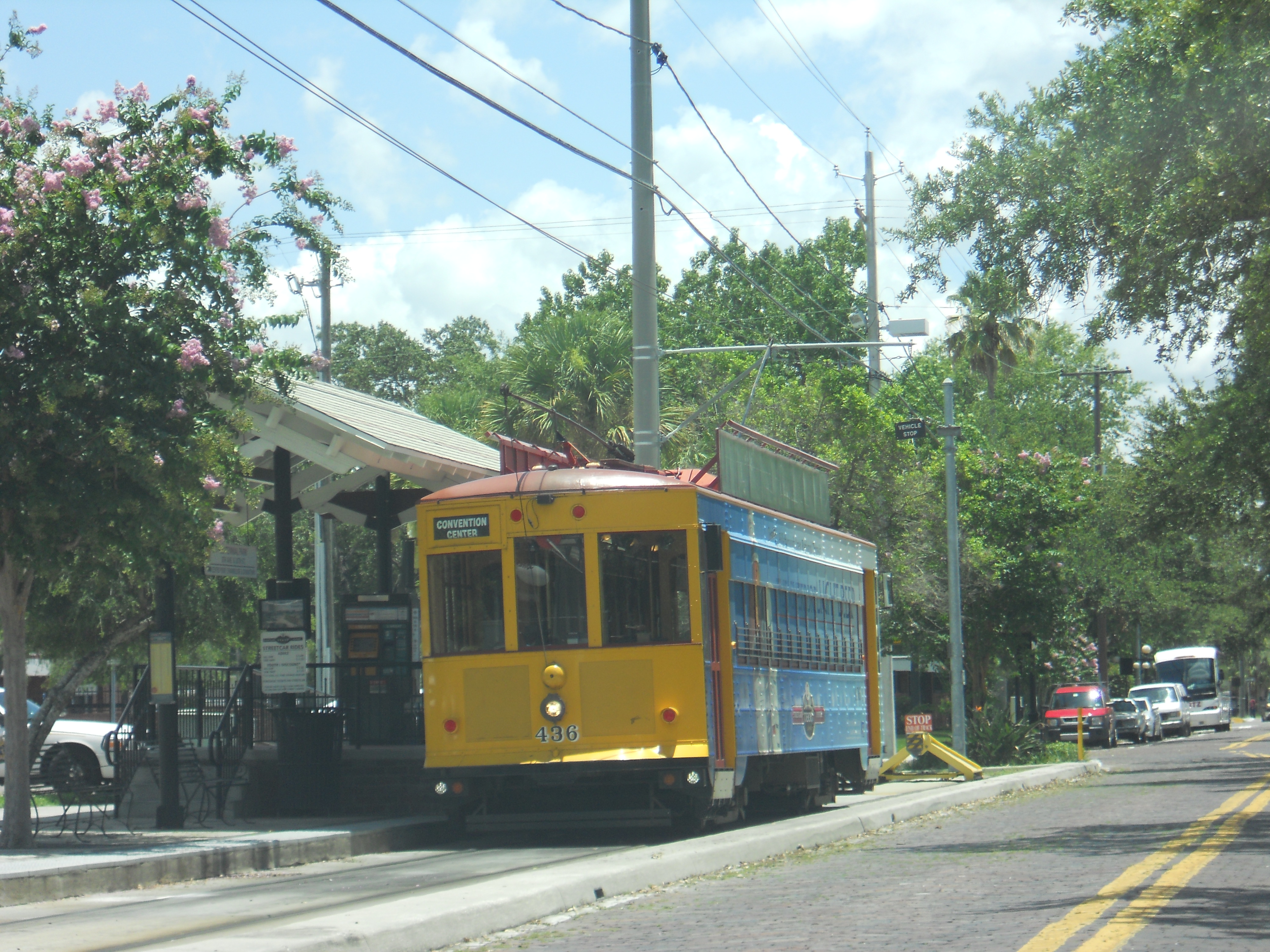
The TECOline Streetcar Line is Tampa’s heritage streetcar line, running from downtown Tampa to Ybor City. The current line is overseen & funded by the non-profit organization Tampa Historic Streetcar Inc. (THS) & managed by the Hillsborough Transit Authority (HART). The line often brings back the nostalgia of the earlier times of Tampa, while providing residents & tourists a taste of what streetcars have to offer. Between the late 1800s and going into World War II, Tampa’s early public transit system comprised of an extensive network of streetcars, where one could travel from as far north as Sulfur Springs to as far south as Ballast Point during the system’s heyday in the 1920s.
History
This section will outline a brief history of both the original Tampa Streetcar network and the present-day TECOline.
The original network
The first street cars ran in Tampa starting in 1892, and the system gradually built up from there. The original system stretched from Sulphur Springs in the north, Ybor City in the east, and Ballast Point in the southwest. One could travel nearly the entire distance for 5 cents. According to Tampa Preservation Inc.’s website, Tampa’s streetcar network comprised of 53 miles of track, 190 trains, and 11 routes during its peak in the 1920s. Service operated each day from as early as 4:30am to as late as 2:00am the next day, creating a nearly 24-hour service period.
Unfortunately, as with many other streetcar & tram systems in the United States, the Tampa system began to shut down in 1942, with buses replacing them. With the demise of the original system, Tampa was left without any rail transportation.
In 2019, Jake Berman created a map depicting the original TECO streetcar system around Tampa, including the terminating points of each line & how often each line operated. Click the button above to view the map, or read up on the background article by the Tampa Bay Times.
The Burgert Brothers historical photo collection contains many photos of the original TECO streetcar system in action during its heyday. Click the button above to view the collection or learn how to order prints. The entire collection spans over 20,000 photos!
Reviving service
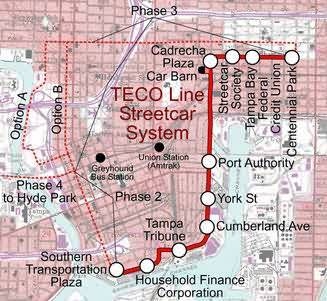
A circa-1980s/1990s of what would be a full build-out of the streetcar system. The goal was for the streetcar to loop around downtown Tampa, with a spur towards Hyde Park. However, over time, these plans have changed.
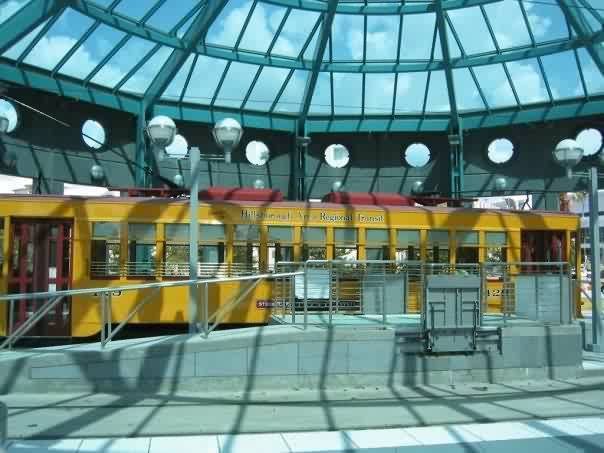
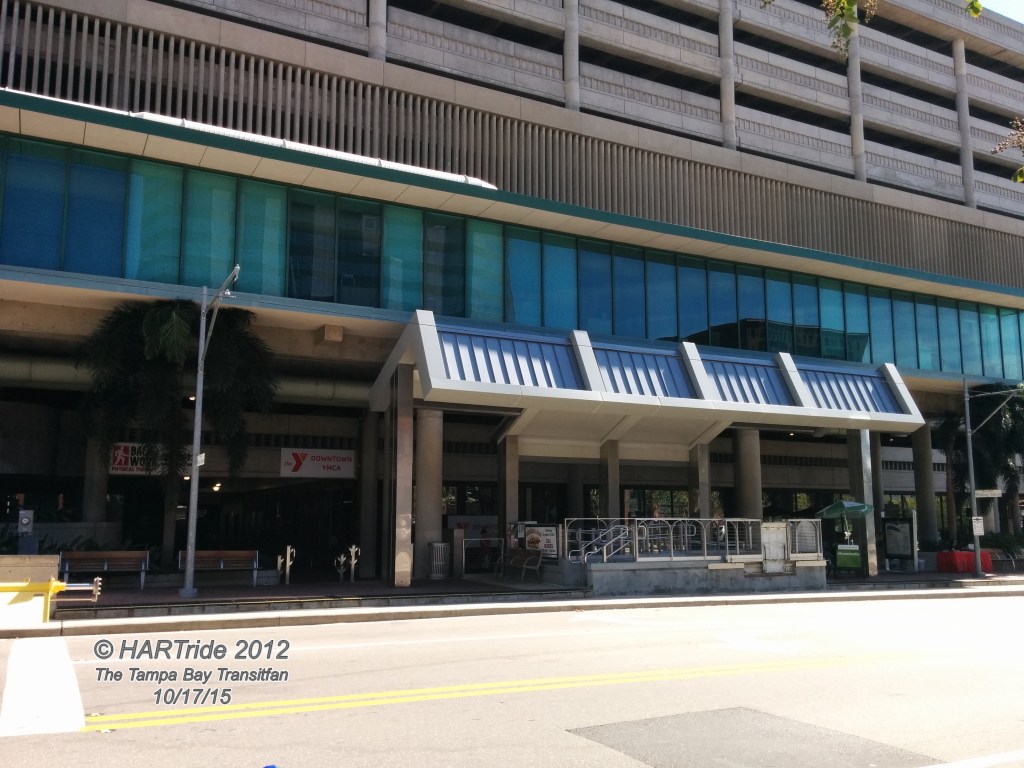
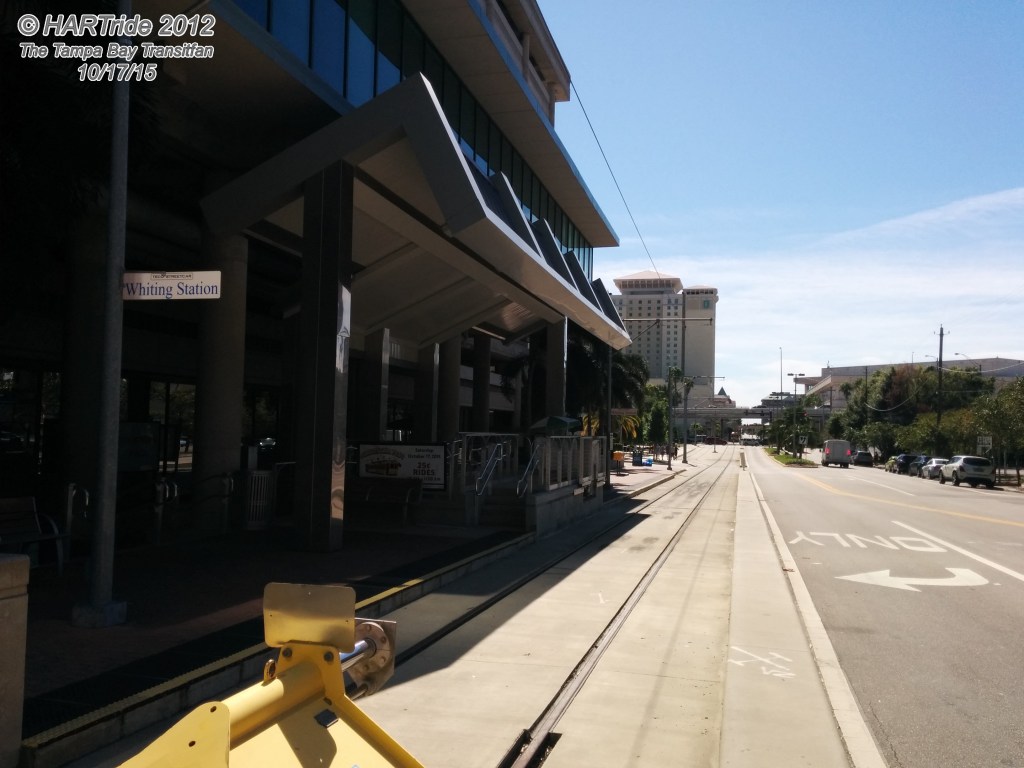
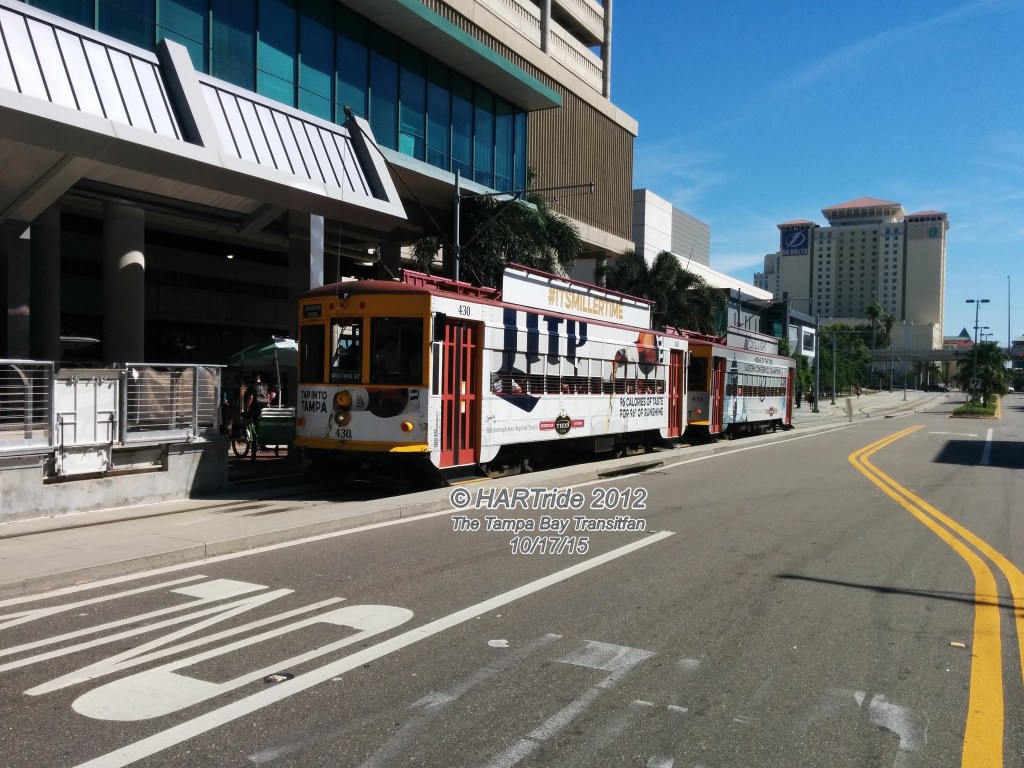
With the inauguration of the TECOline Streetcar Line on October 19-20, 2002, streetcars were running again in Tampa. The original segment (noted as Phase I) comprised of 2.4 miles, & runs from Ybor City to the Tampa Convention Center, which lies along the southern fringe of the downtown district. The second segment (noted as Phase 2A) opened to the public on December 19, 2010 (with a formal grand opening held on January 31, 2011) and consists of a 1/3 mile extension to the downtown Tampa core. It connects the Fort Brooke Parking garage at Franklin & Whiting Streets. The extension includes the Fort Brooke/Whiting St station, which is the largest station in the system because it is able to handle up to three street cars at one time. Construction of this extension began in the fall of 2009.
The current length is 2.7 miles long, with roughly .5 miles and two stations (Port Authority and York St.) being double tracked. Most of the stations are named for sponsors that have paid to have the station named after their company, which can be confusing at times as not all of the companies have a presence along the line. The only two stations capable of handling modern light rail stock are the Whiting St and Dick Greco Plaza stations. Since the current line is compatible with light rail technology, it may be converted to a modern light rail line at some point in the distant future. Such a transition would require the remaining station platforms to be lengthened and some sections to be double-tracked.
Uncertainty over the line’s future
Although the TECOline initially saw good ridership & viable prospects for the future, the recession of 2008/2009 erased all hopes of any substantial improvement to the system (outside of the Whiting extension). The system continued to lose money & riders through the 2010s, wiping out the streetcar’s special endowment. Fares of $2.50 were assessed on the streetcar until 2019 – when the Florida Department of Transportation provided a grant to allow the line to operate fare-free for three years. While this grant allowed for a massive uptick in overall ridership, as well as earlier weekday service, & improved frequencies during the week, it will not provide for a long-term solution. A second grant was awarded in 2023 to allow fare-free service to continue for just a little longer following the negative impacts to ridership caused by the Covid-19 pandemic, but eventually fares may have to be reinstated if long-term funding cannot be found.
In 2015, efforts began between HART & the Florida Department of Transportation (FDOT), as well as the City of Tampa, to begin exploring the prospect of boosting ridership & eventually giving the entire line that fresh & modern look that it has desperately needed (as well as possible extensions towards Hyde Park & Tampa Heights). Over time, the efforts have led to the following developments:
- Eliminating streetcar fares.
- Beginning weekday service at 7:00am & weekend service at 8:30am (prior to this, services began at 11:00am on weekdays & 12-noon on weekends).
- City of Tampa comprehensive study (InVision).
- Tampa Heights extension being prioritized.
Unfortunately, the 2018 All For Transportation surtax was ruled unconstitutional by the Florida Supreme Court, thus jeopardizing the ongoing efforts to modernize & extend the streetcar. An attempt to pass a retooled measure failed in 2022 & it’s extremely doubtful that another measure will be placed towards voters until 2028. Therefore, unless a tertiary option is found to try & fund the streetcar extension in the next several months, the project is in danger of being out-right cancelled.
As a short-term substitute, it’s extremely likely that the City of Tampa & other parties will simply expand the newly launched DASH shuttle to areas that would otherwise be served by the extended streetcar. The city could also opt to contract with the Clearwater Jolley Trolley to provide a shuttle between the Whiting St station & Tampa Heights – though previous HART trolley operations have been eliminated as of 2019, so I don’t see how another replica trolley service would work in the city’s favor.
For years, myself & others have seen the main issue with the TECOline as being that it has generally been too tourist-dependent, as well as the fact that the downtown Tampa core isn’t effectively served by the line, has created a climate by which no one really wants to ride because the line doesn’t serve the places where the line should serve. Not to mention that the prior fare was too expensive for residents to be able to afford on a regular basis without scratching their heads as to why the streetcar is there to begin with.
While my prior viewpoint regarding the streetcar changed when the full ridership potential was unleashed following the elimination of fares, ridership will no doubt plummet should fares be reinstated – bringing everything back to square one. This is why it is critical that our elected officials work with the community to find a long-term funding solution that will allow for continued operation & eventual modernization & expansion of the TECOline.
Current Layout & Operations
This section will go over the structure of the TECOline; including stations and railcars.
Stations
All stations have a covered area to stand underneath, trash receptacles, handicap boarding area, & system map. Most stations have a level boarding platform to access the street car. All stations have one platform to board street cars headed in either direction. There are six stations with island platforms: HSBC, Tampa Tribune, Cumberland Ave., York St., Port Authority, and Tampa Bay Federal Credit Union. All stations were equipped with ticket vending machines during the course of 2011 and 2012, which were then removed in 2019 upon elimination of fares.

- Centennial Park
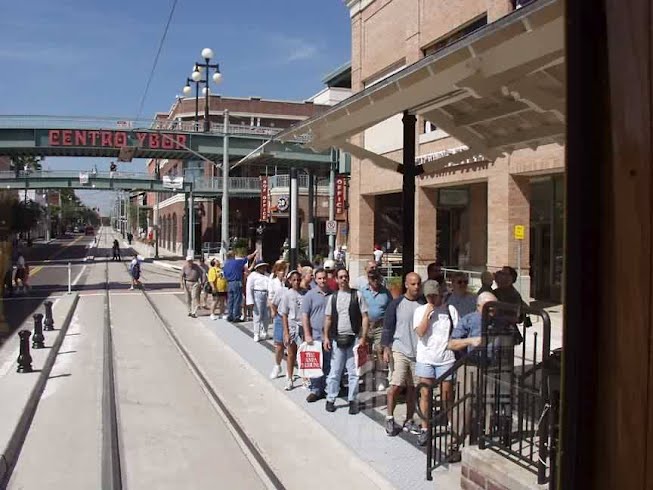
- Centro Ybor
- Streetcar Society
- Cadrecha Plaza
- Publix (originally Port Authority)
- York St
- Cumberland Ave
- Amalie Arena (originally Tampa Tribune, then Tampa Bay Times Forum)
- HSBC
- Dick Greco Plaza (originally Southern Transportation Plaza)
- Whiting St/Downtown Tampa
Rolling Stock
The TECOline Streetcar Line uses three types of heritage streetcar trains:
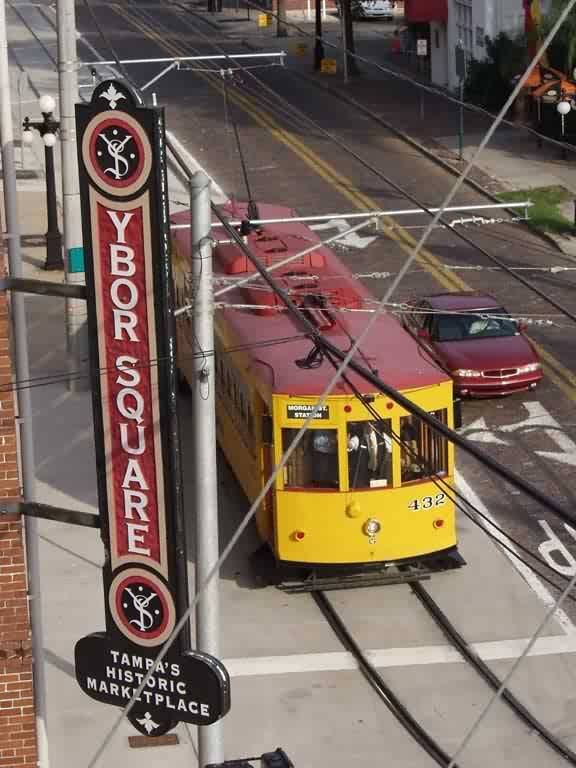
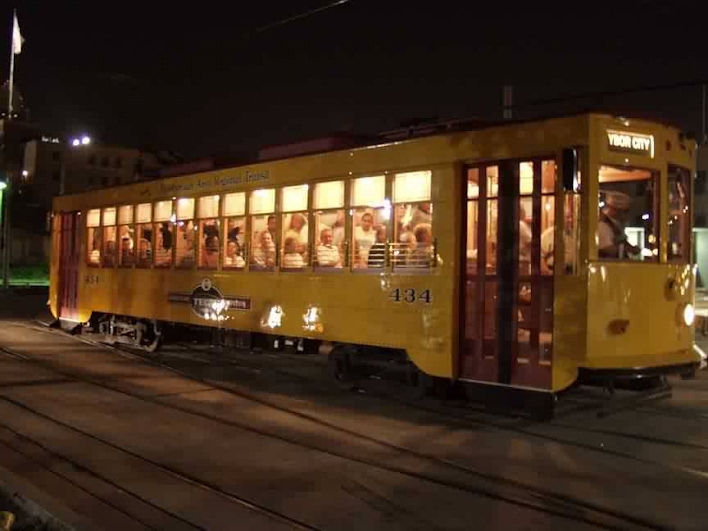
Gomaco Replica Birney Trains
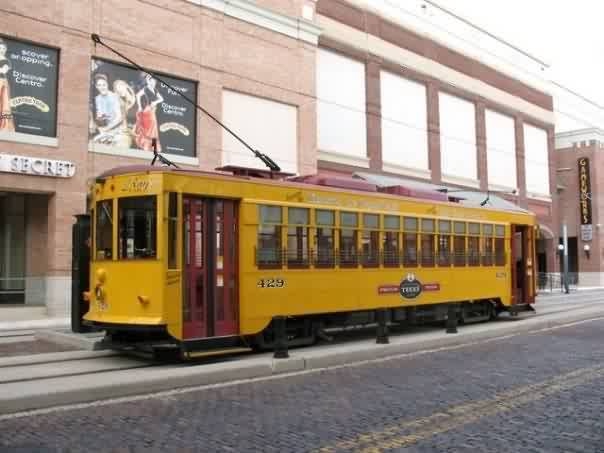
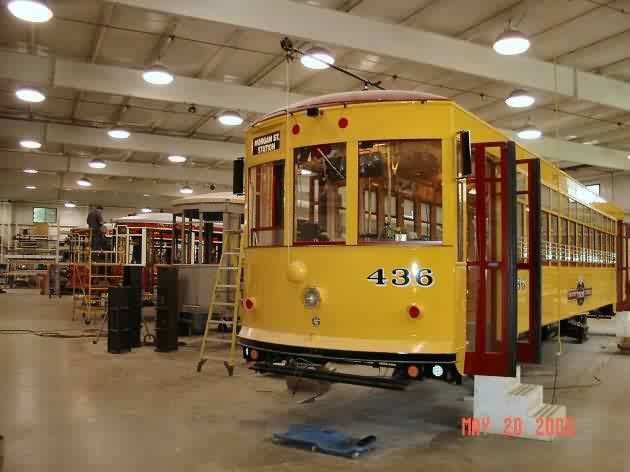
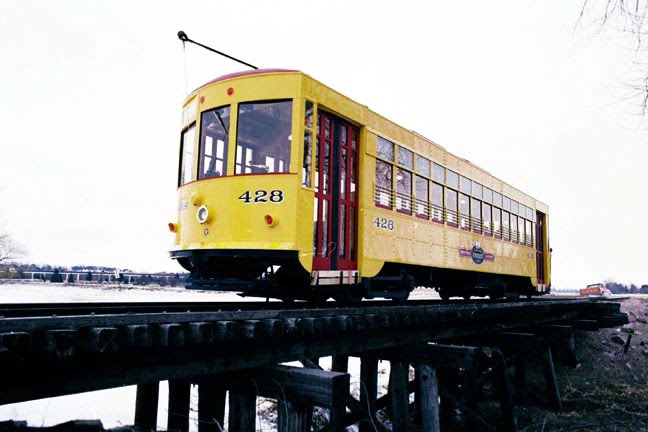
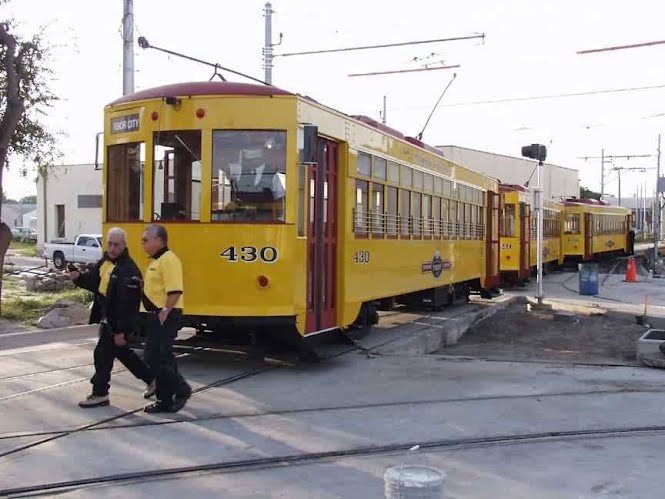
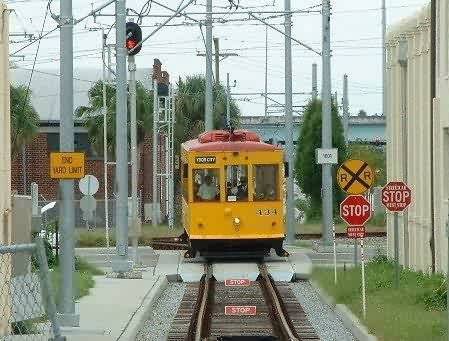
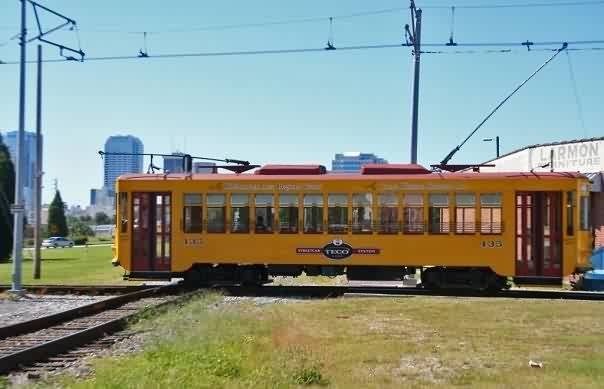
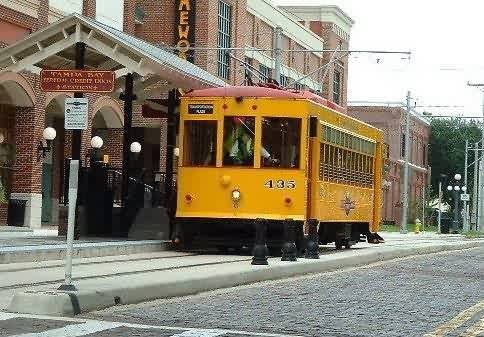
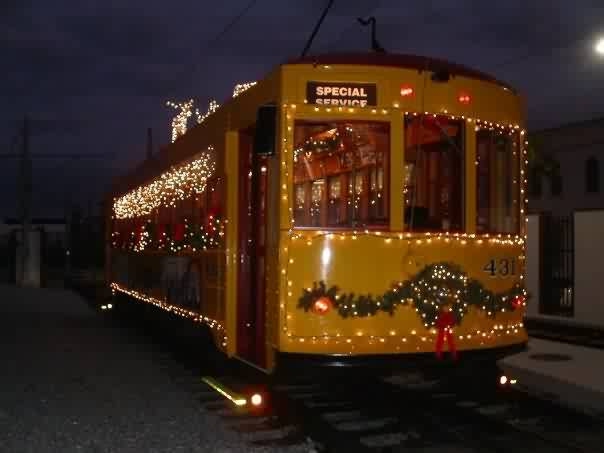
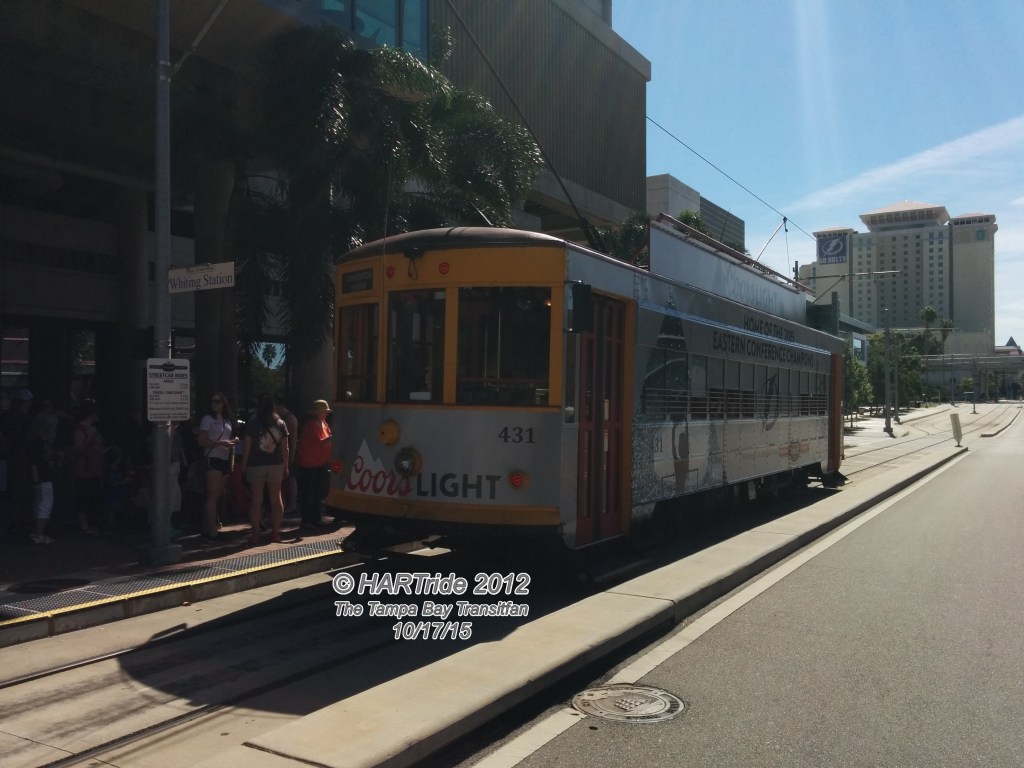
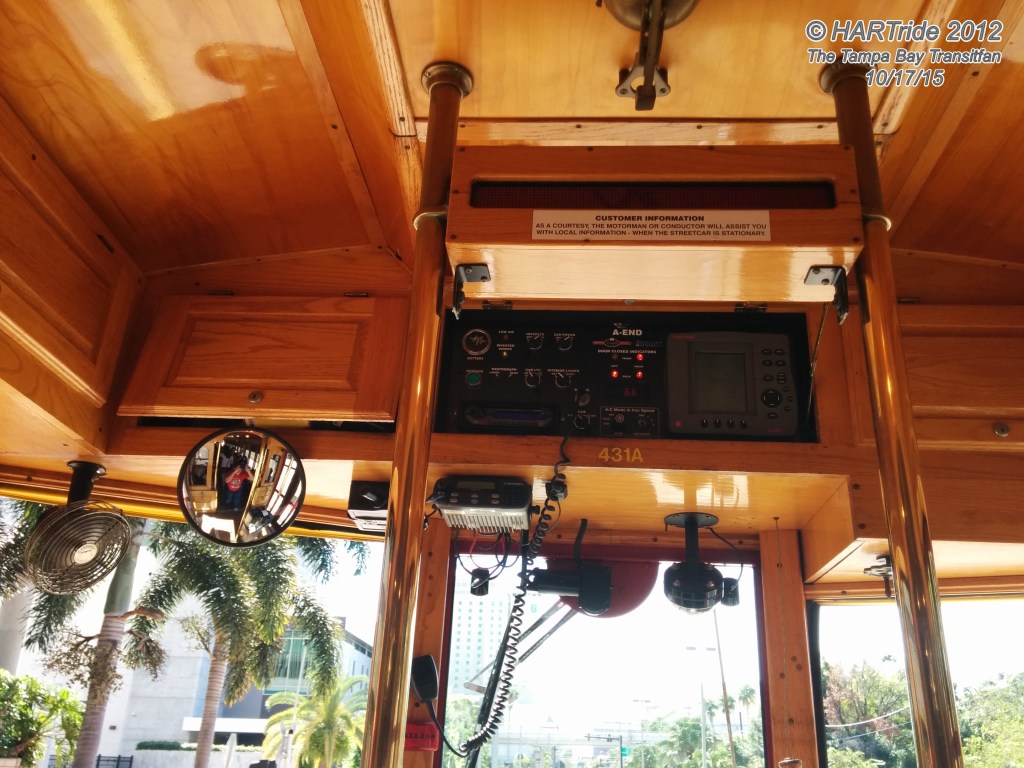
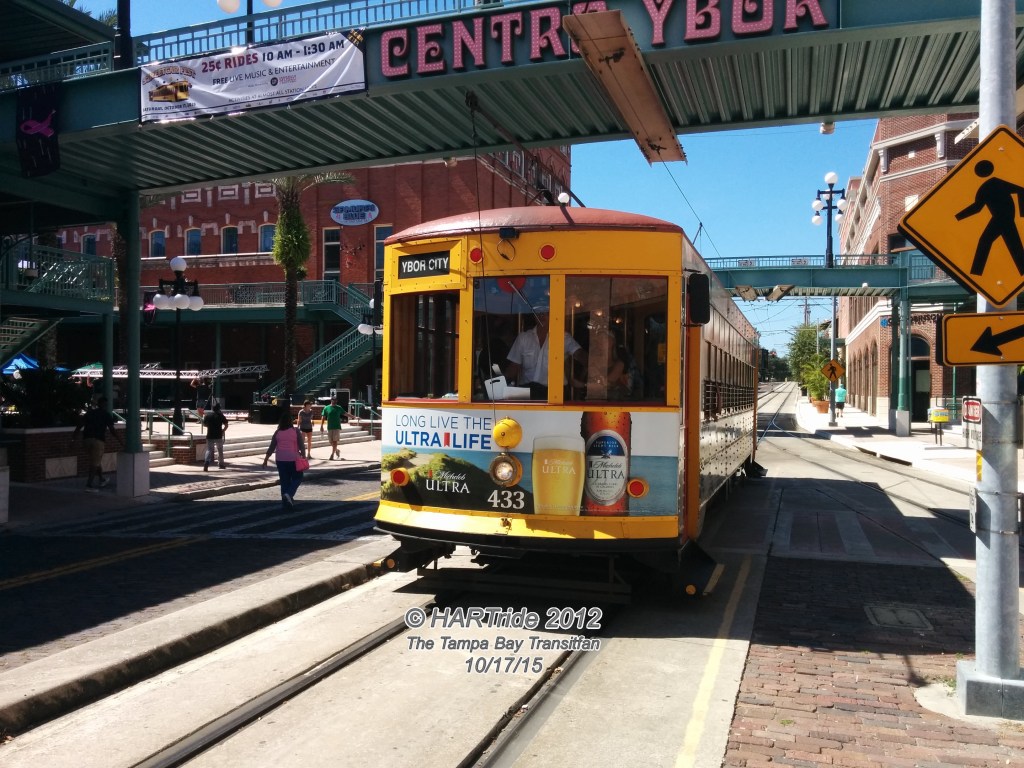
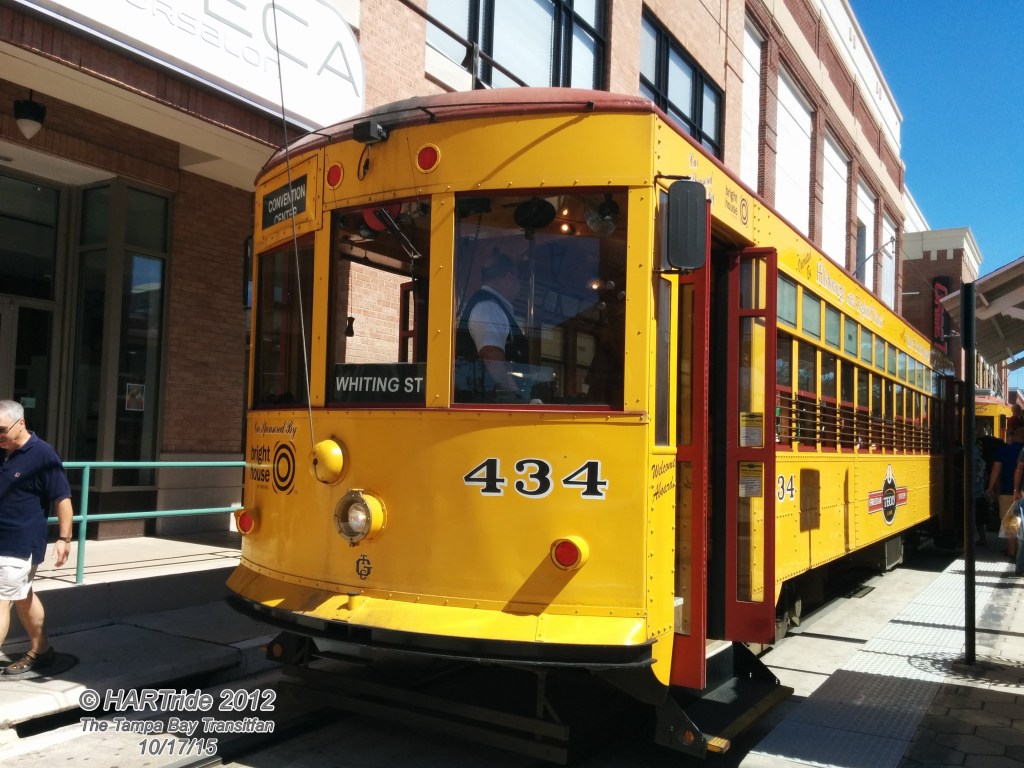
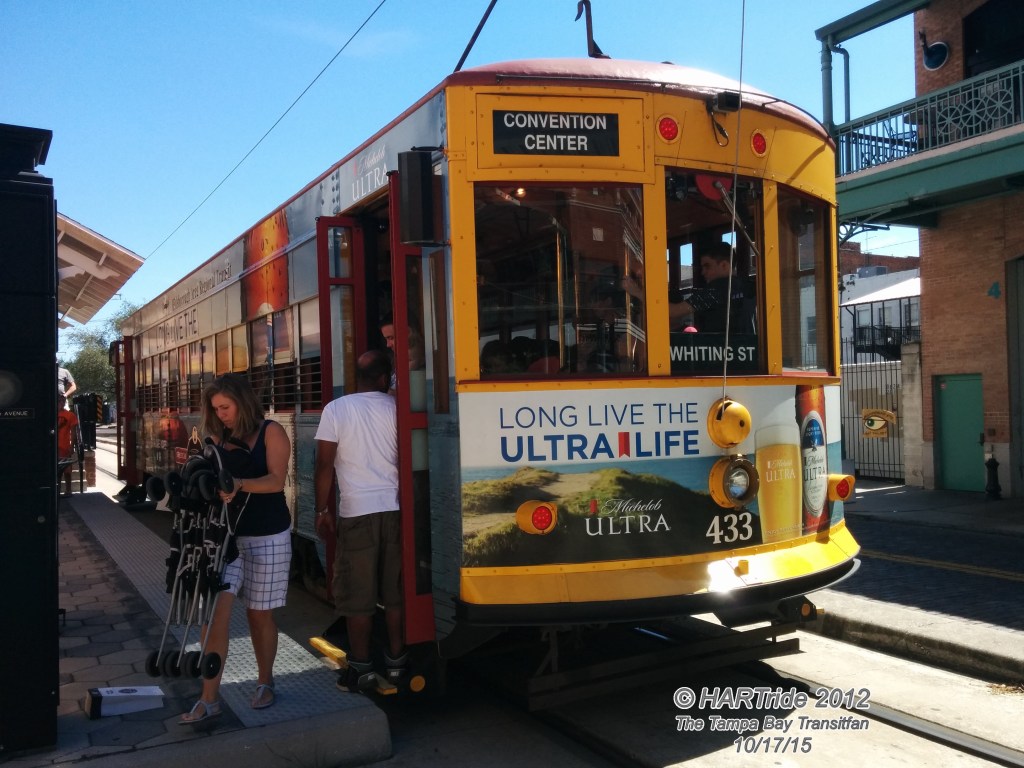
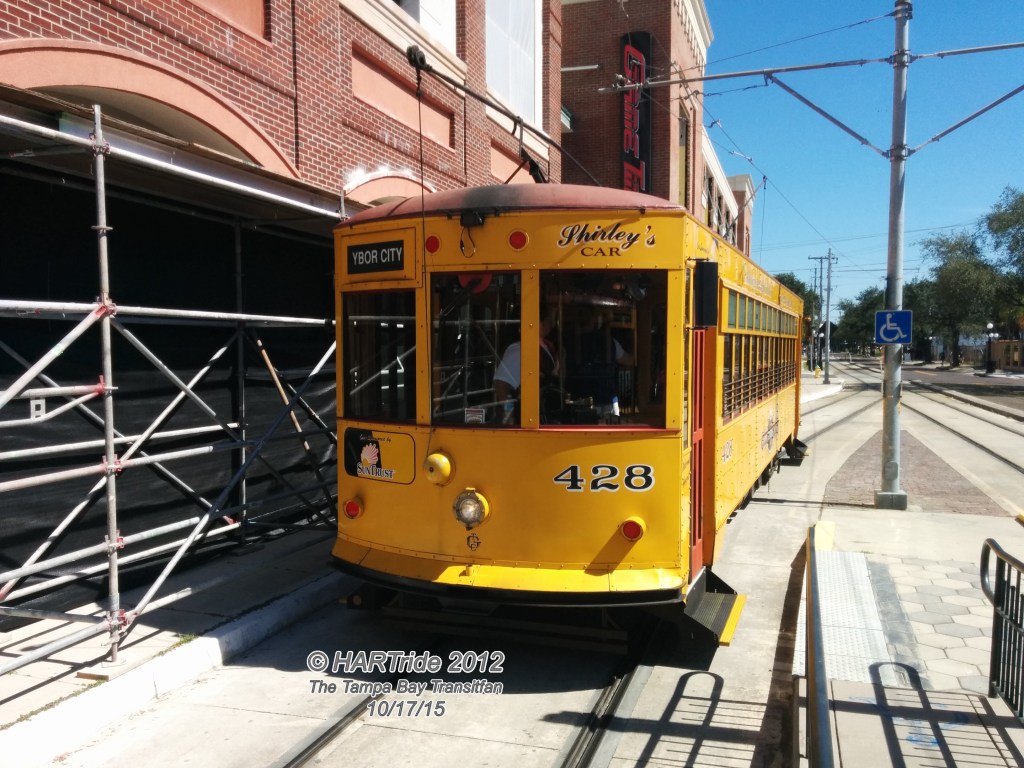
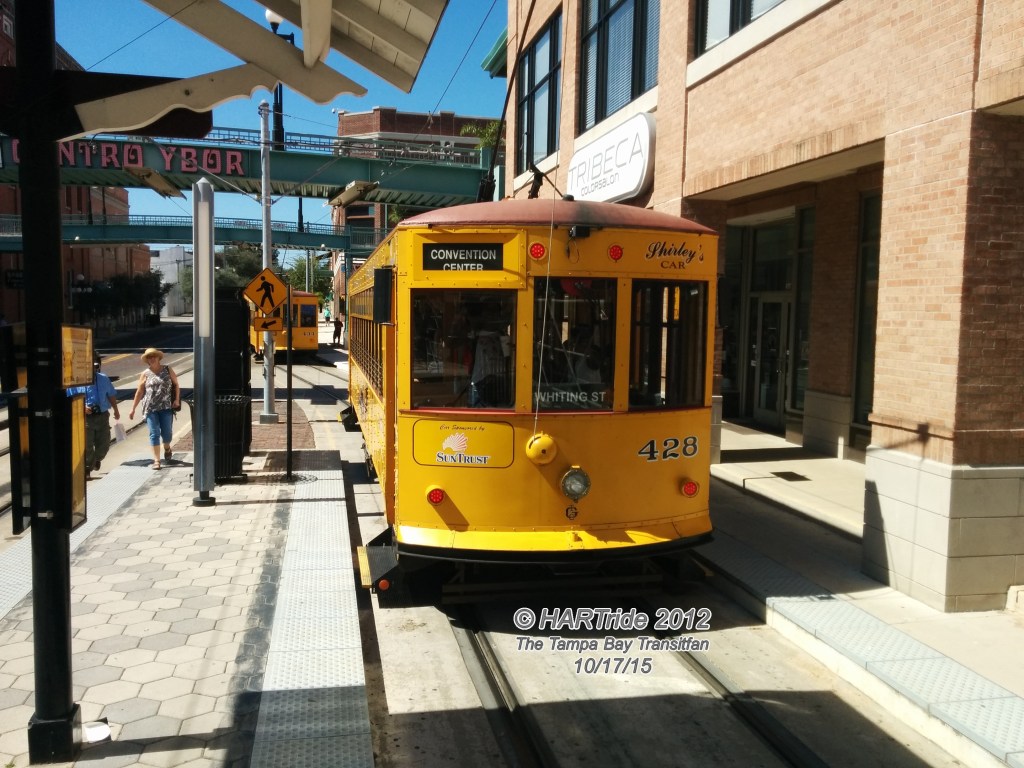
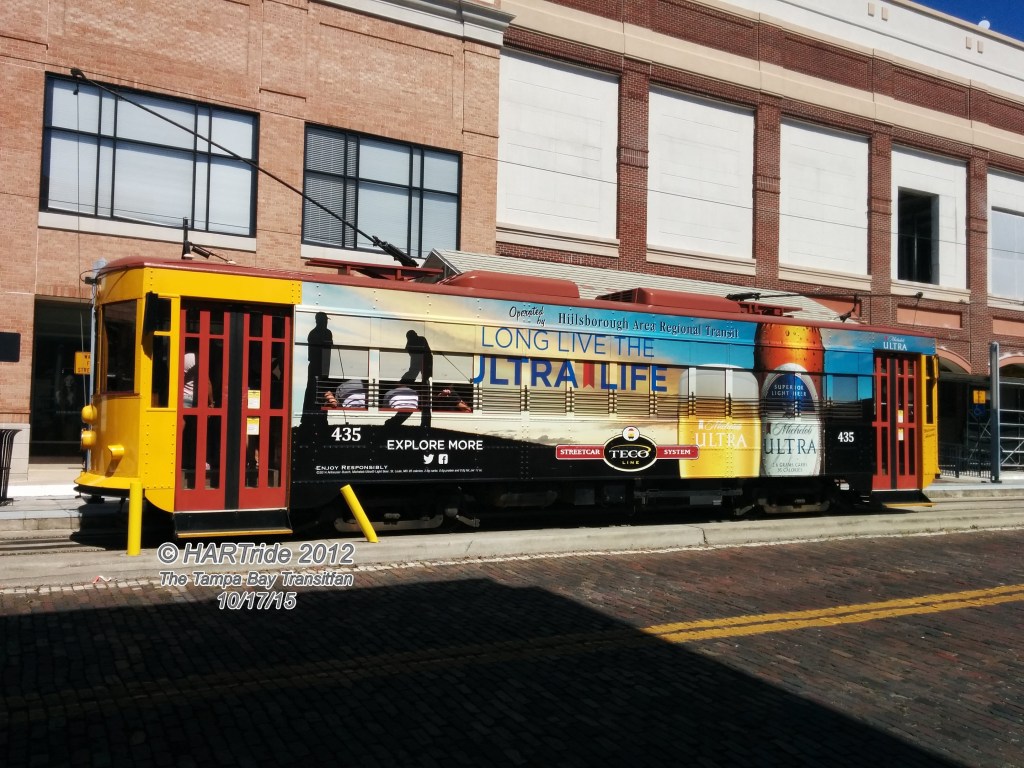
Nine double-truck replica Birney streetcars, manufactured by Gomaco Trolley Company, are replicas of the type that ran in Tampa and other cities in the past. The first eight trains, #’s 428 through 435, were completed & delivered in 2000-2001. Train #436 was constructed and delivered in 2004-2005. Notice the how the numbering convention continues where the original fleet had ended (the last original train was numbered as #427). Similar Gomaco-made trains currently run on the River Rail Streetcar system in Little Rock, Arkansas & the Memphis Area Transit Authority Main Street Trolley Line in Memphis, Tennessee.
#429 was unfortunately wrecked on 02/03/2020 after a charter bus failed to negotiate a turn & struck it. The train was later scrapped. All remaining trains have received extensive rebuilding or refurbishment either on-site at HART’s streetcar facility or off-site at the Gomaco facility in Iowa.
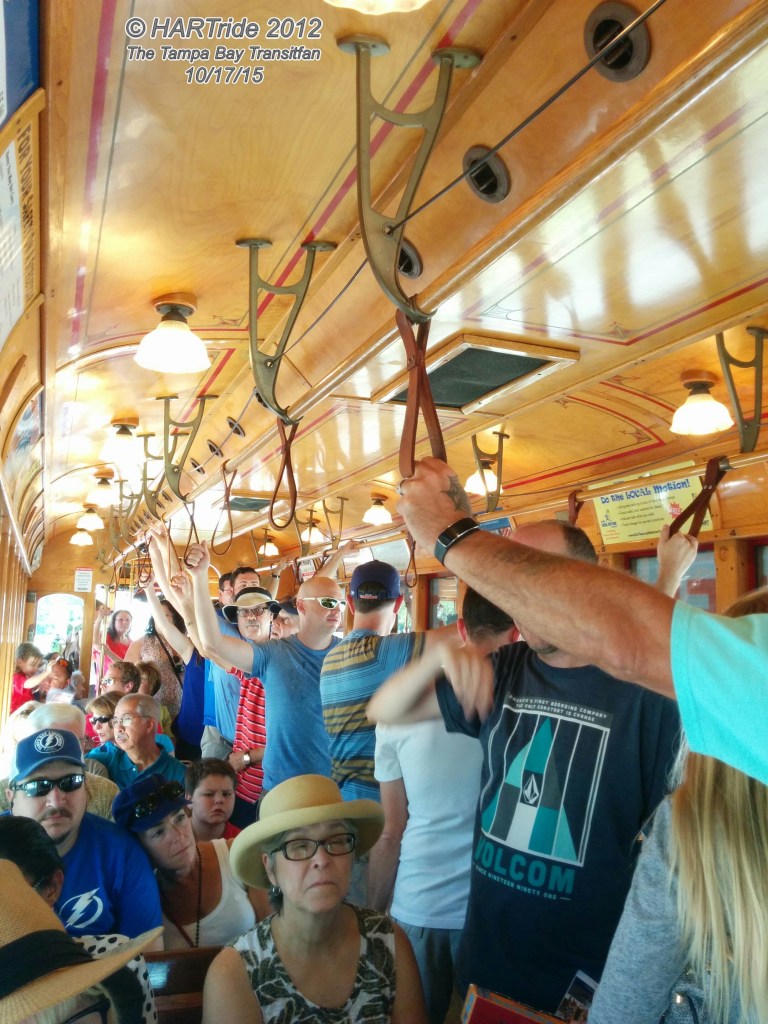
HEIGHT: 12.51 feet. LENGTH: 49.75 feet. WIDTH: 8 feet 6 inches. WEIGHT: 48,000 pounds. BALANCED SPEED: 30 mph. SEATING: 44 sitting, 44 standing.
Gomaco Breezer Train
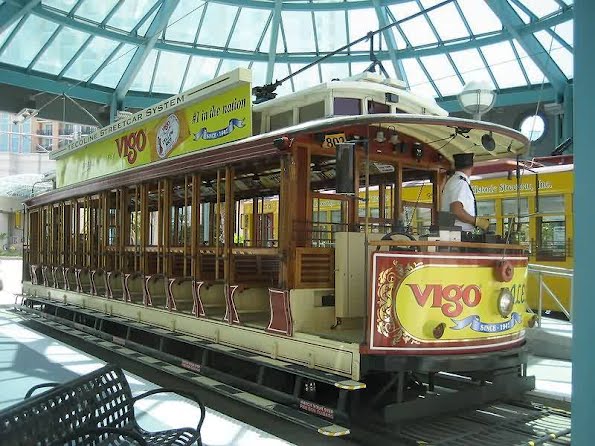
One double-truck open-air “Breezer” model streetcar, also manufactured by Gomaco Trolley Company, also runs on the line and is assigned the fleet number of 1976. At one time Tampa had 50 of these open-air type street cars.
HEIGHT: 11 feet 10 inches. LENGTH: 43 feet 6 inches. WIDTH: 10 feet 1 inch. WEIGHT: 34,000 pounds. BALANCED SPEED: 30 mph. BENCHES: 13 (with 6 across). SEATING CAPACITY: 78.
Original Birney Safety Car
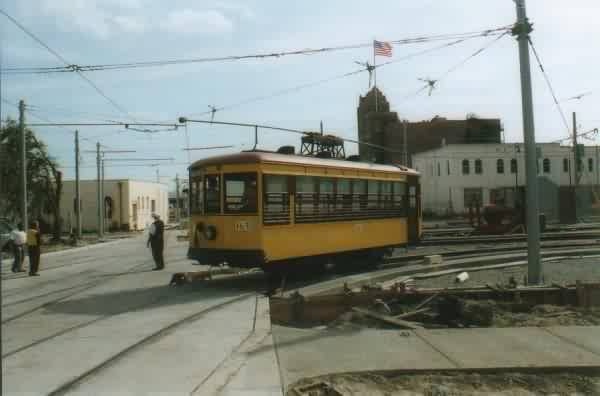
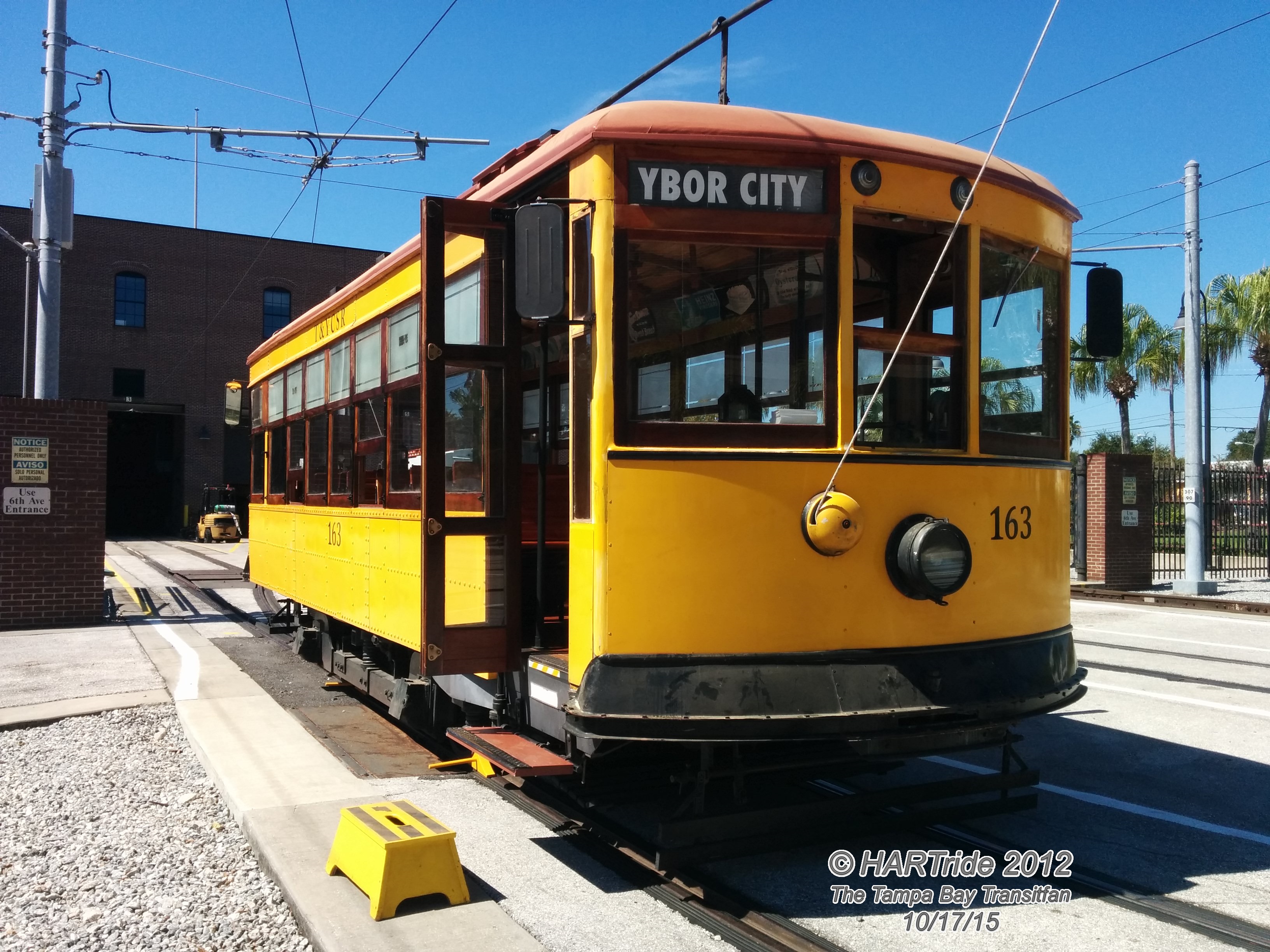
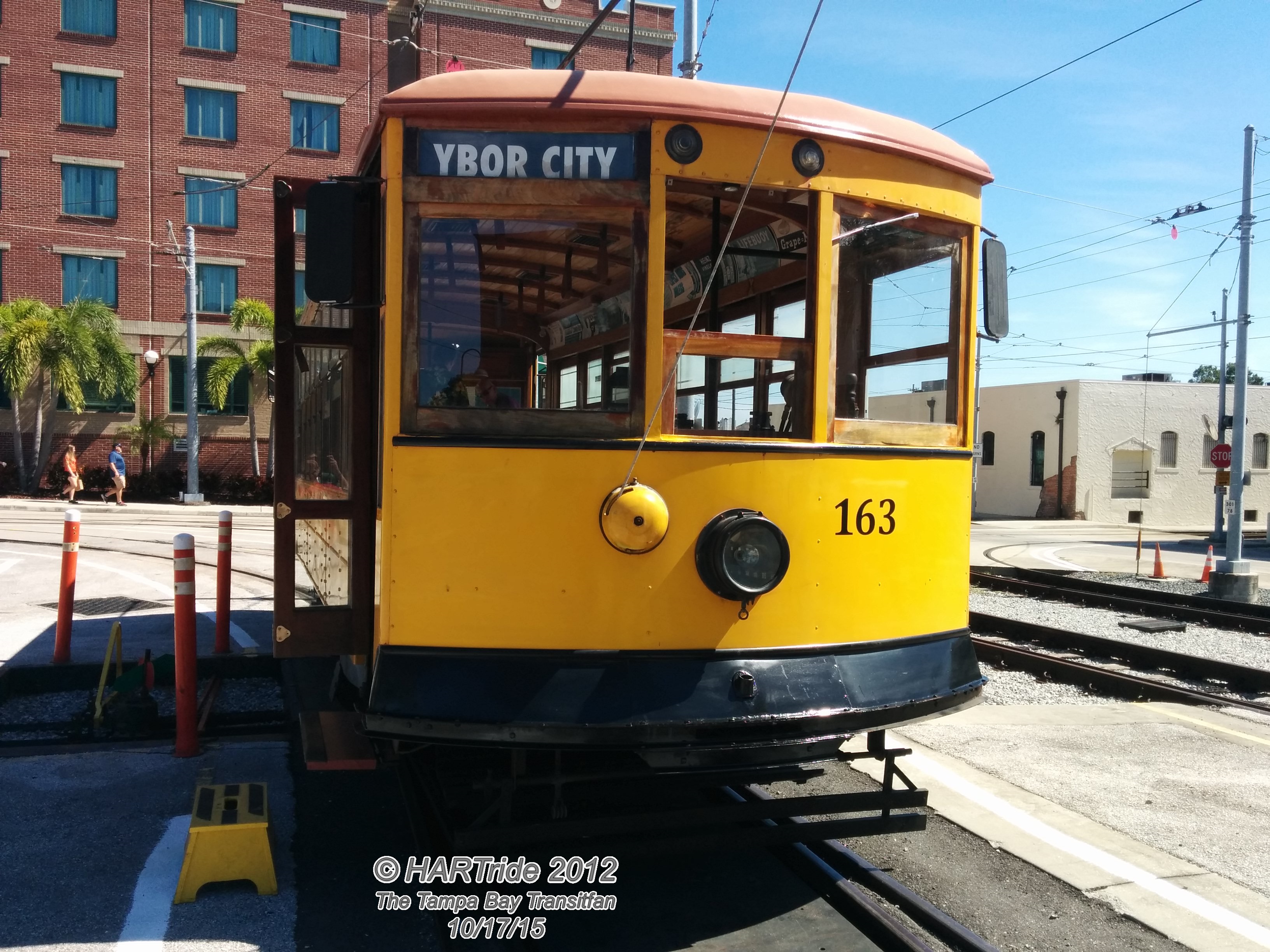
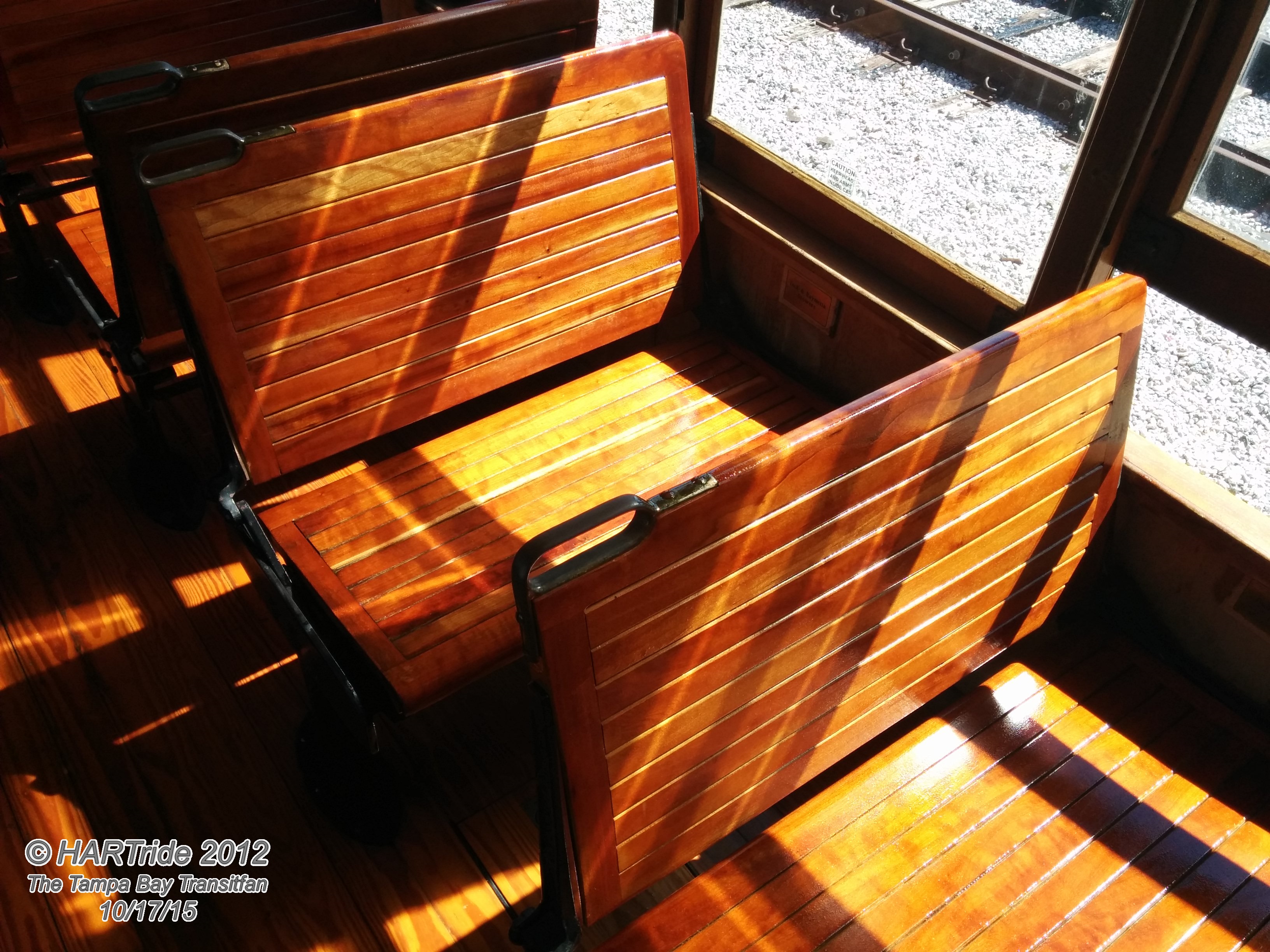
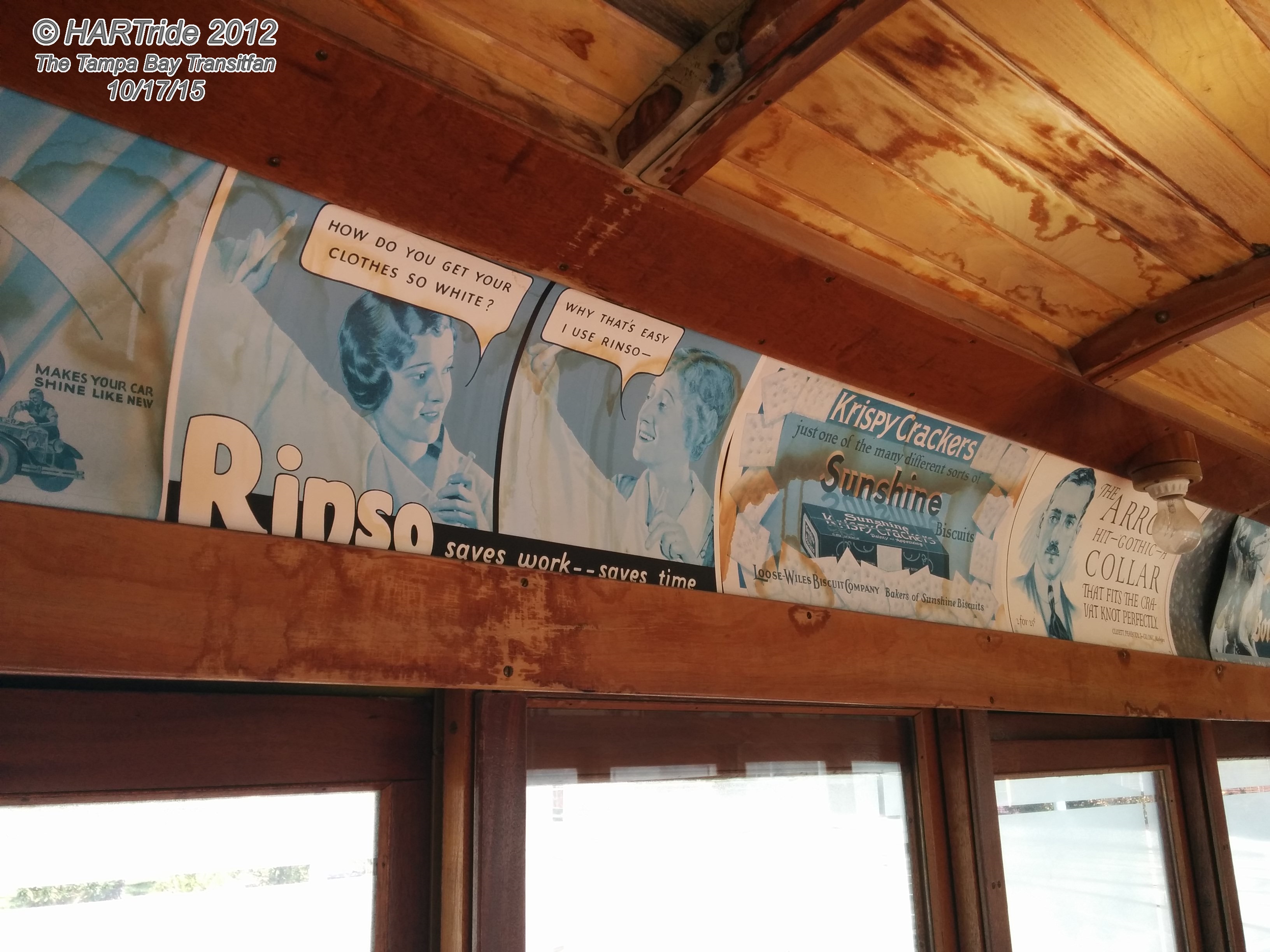
One of Tampa’s original Birney safety cars, #163, was recovered in Sulphur Springs, where it had been used as an apartment. This Birney car was one of the streetcar trains that traversed Tampa’s original streetcar system. After an extensive restoration, the car is back to its former self and is used for special events.
Unfortunately, I don’t have stats for train #163.
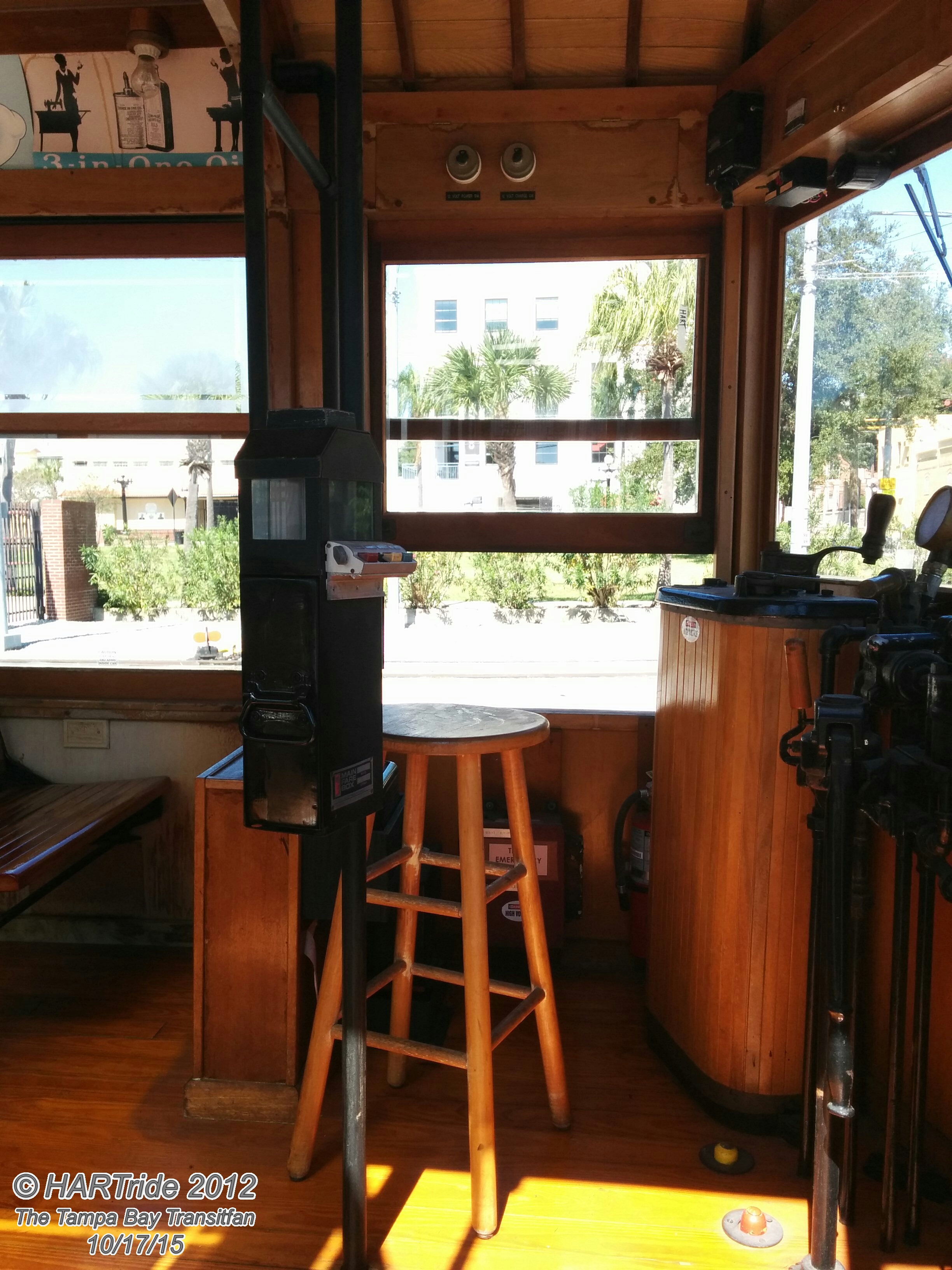
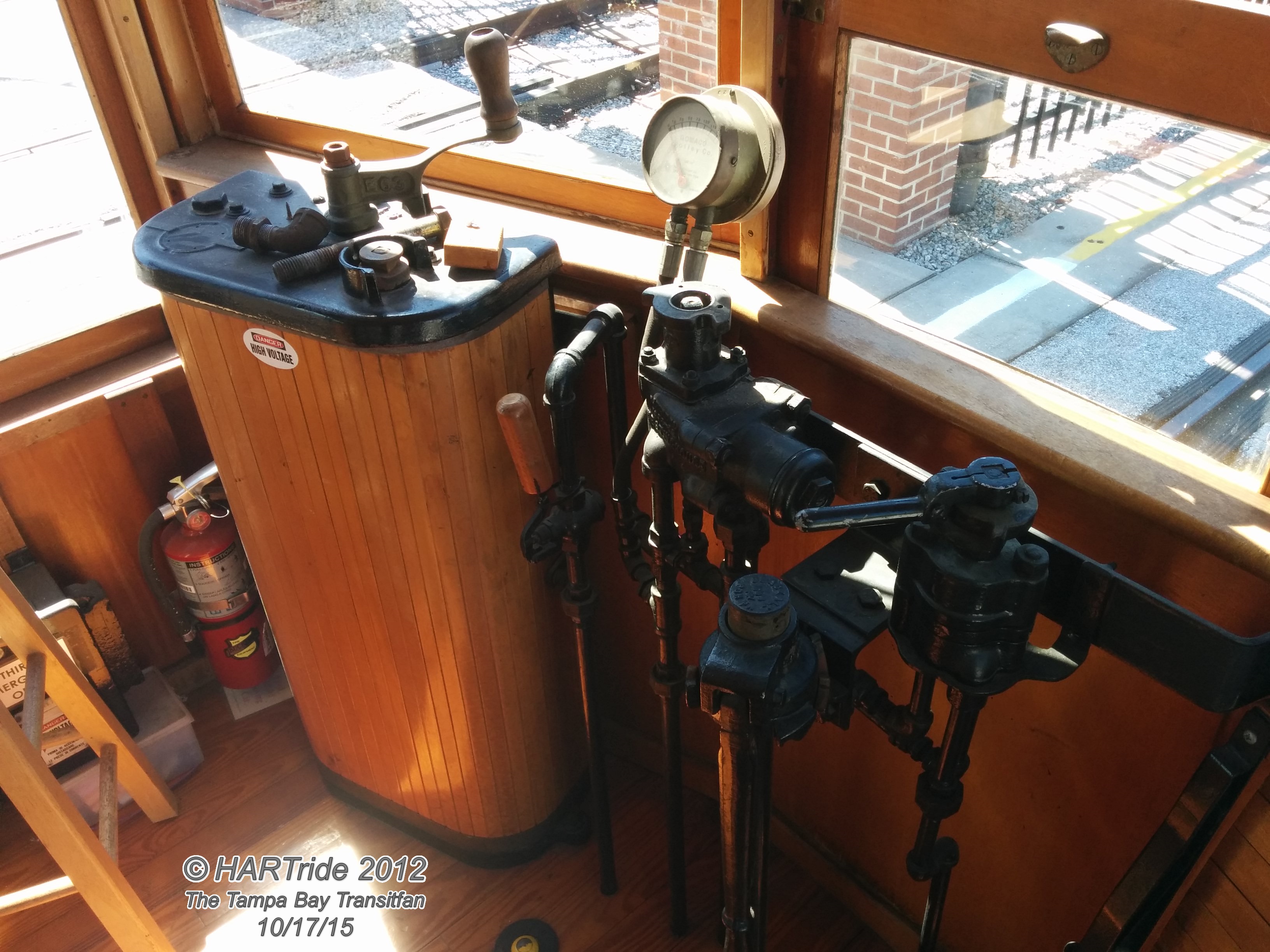
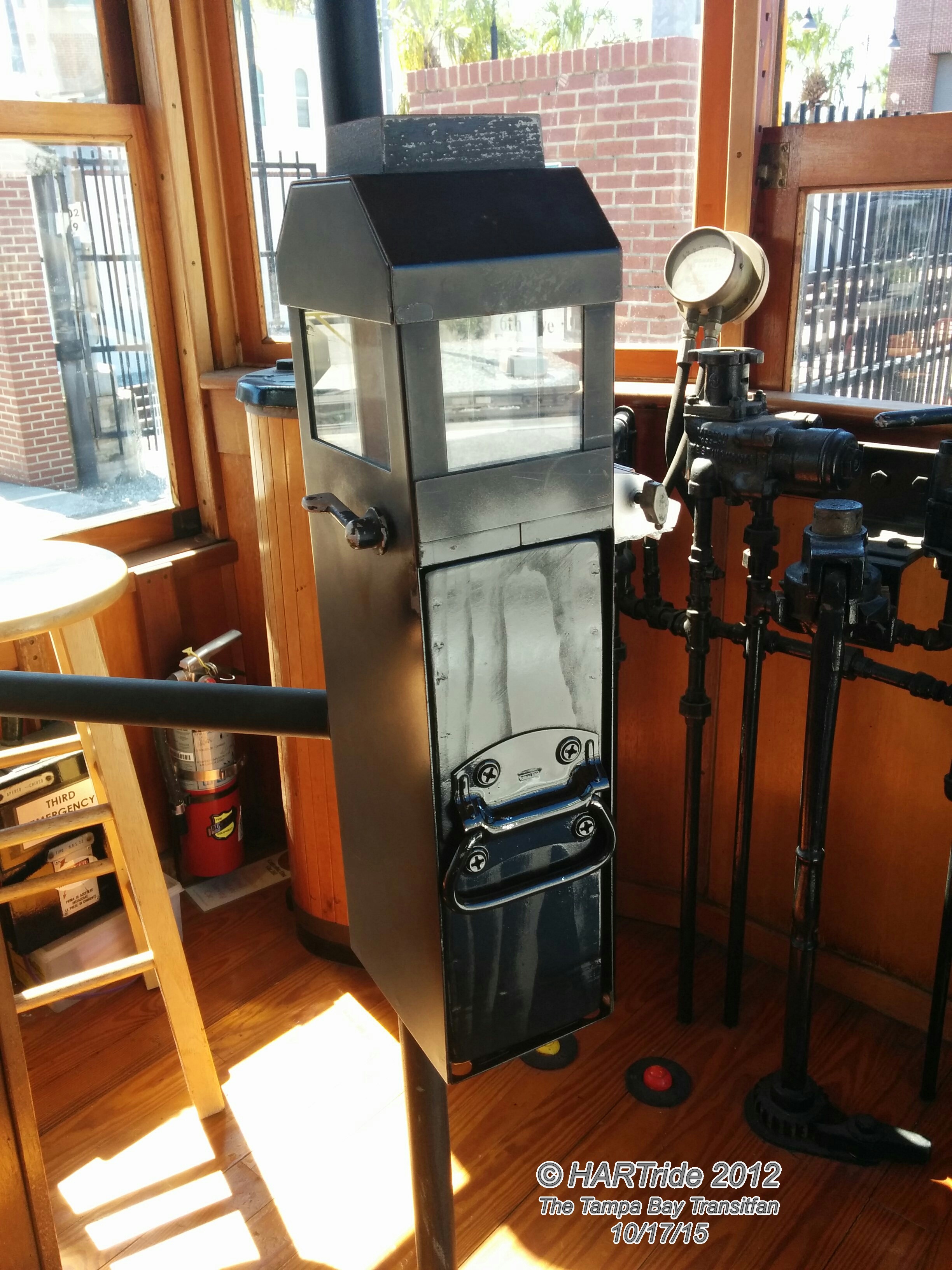
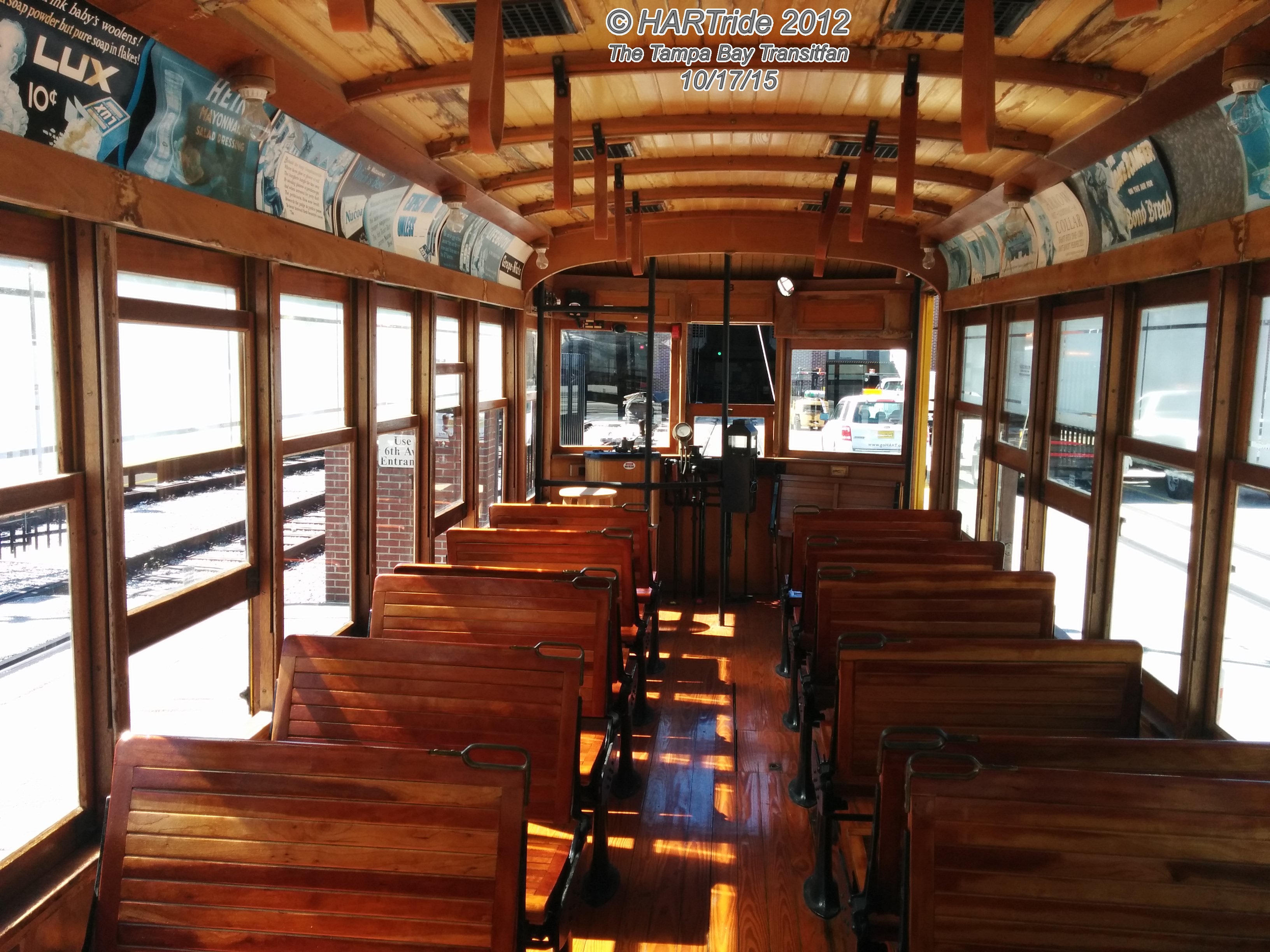
Photos of #163 from the 2015 Streetcar Fest.
Although #163 is normally able to run during special events, like the annual Streetcar Fest, an electrical shortage forced the railcar to sit idle at the barn.
Maintenance Challenges
Because the streetcar trains utilize re-used boogies, many of which date over 100 years old, as well as other refurbished parts, maintaining the streetcar fleet is often times a nightmare. At times, one train could be out of commission for months until it is able to receive the TLC that it needs & limited funding definitely does NOT help this situation. This is the main reason why the modernization project is being pushed, though for the meantime, heavy refurbishment/rebuild has been performed on the cars.
Despite the impacts on transit due to the Covid-19 pandemic, THS & HART were able to have each of the Gomaco cars sent one-by-one to Gomaco’s facility in Iowa for a complete rebuild. Trains that have returned to Tampa from their rebuild process undergo a few weeks testing before returning to service.
Customer Information
This section will go through customer-oriented information such as current operating schedule. Information is current as of 11/10/2023.
Current Operating Hours
- Monday through Thursday: 7:00am until 11:00pm (trains operate every 15 minutes)
- Fridays: 7:00am until 2am the next day (trains operate every 12 to 15 minutes)
- Saturdays: 8:30am until 2am the next day (trains operate every 12 to 15 minutes)
- Sundays: 8:30am until 11:00pm (trains operate every 12 to 15 minutes)
- Special events (such as Amalie Arena events) will often result in modified/extended hours for the streetcar.
Individual station timetables are available on the TECO Line website.
Fare-free service on the streetcar continues for 2023/24.
Photo Galleries
Contributor photos are noted accordingly.
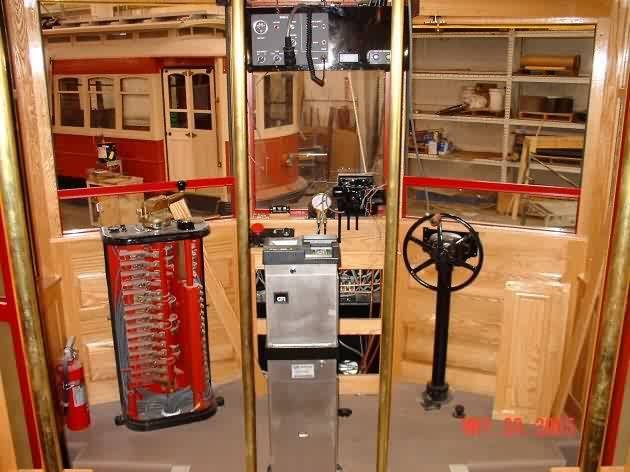
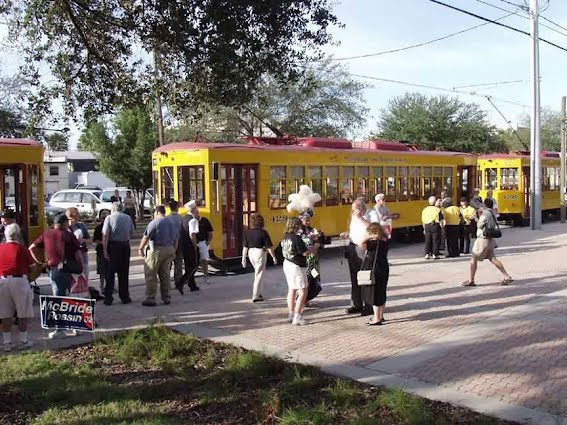
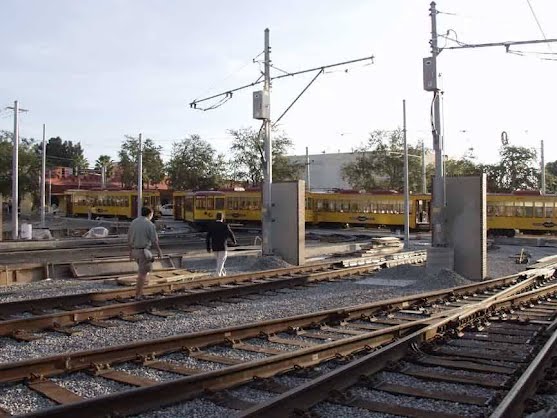
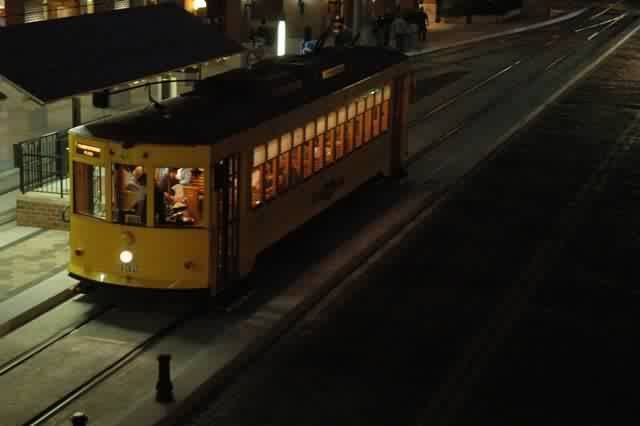
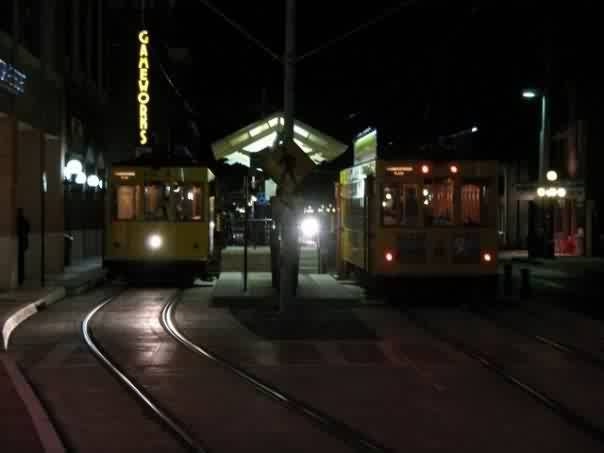
Contributor photos from Shawn’s original Tampa Bay Transit website.
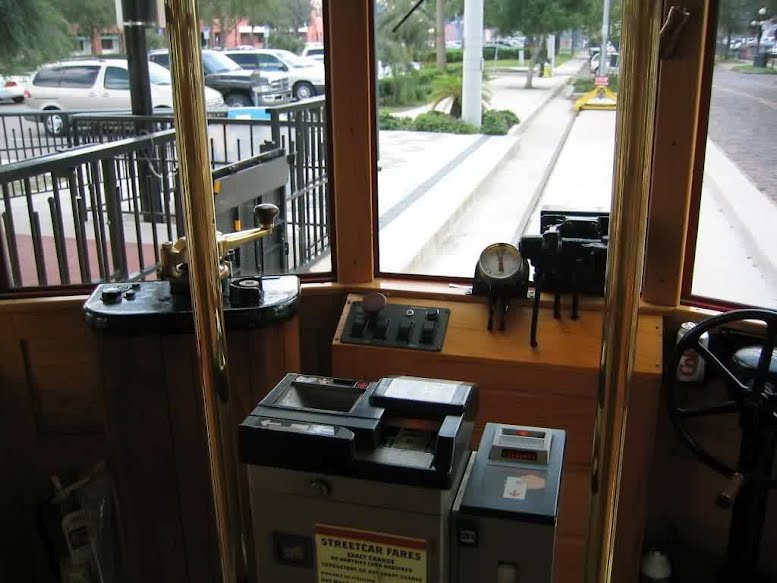
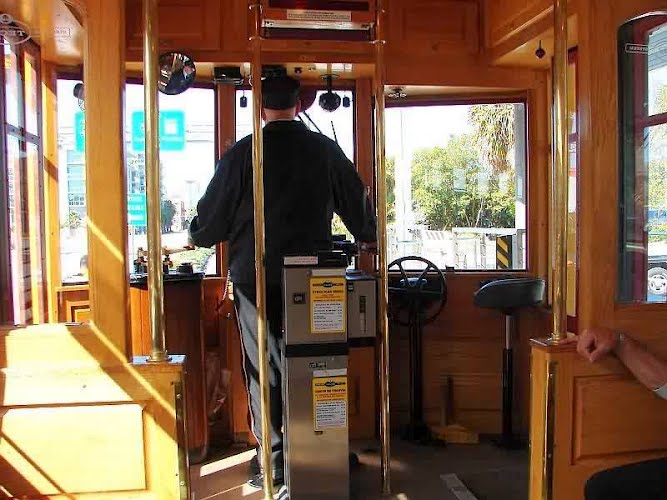
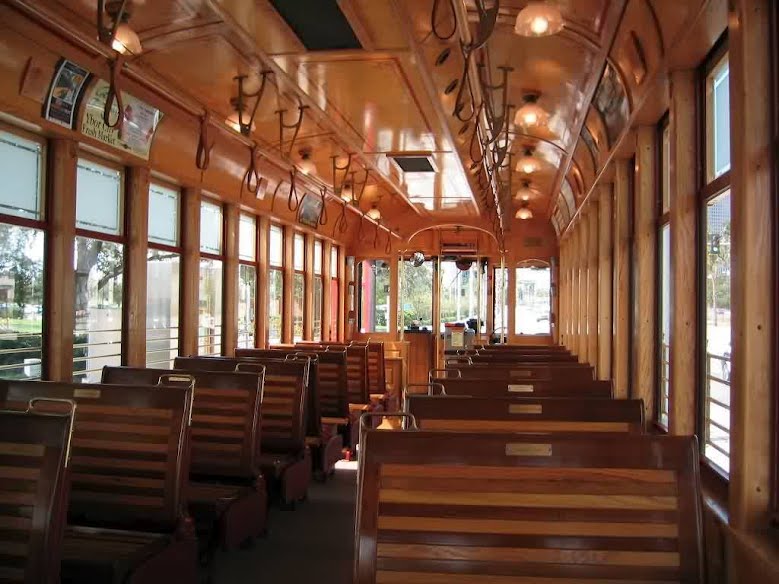
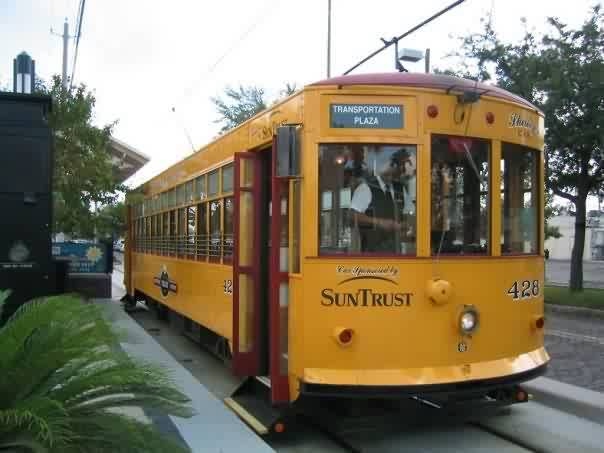
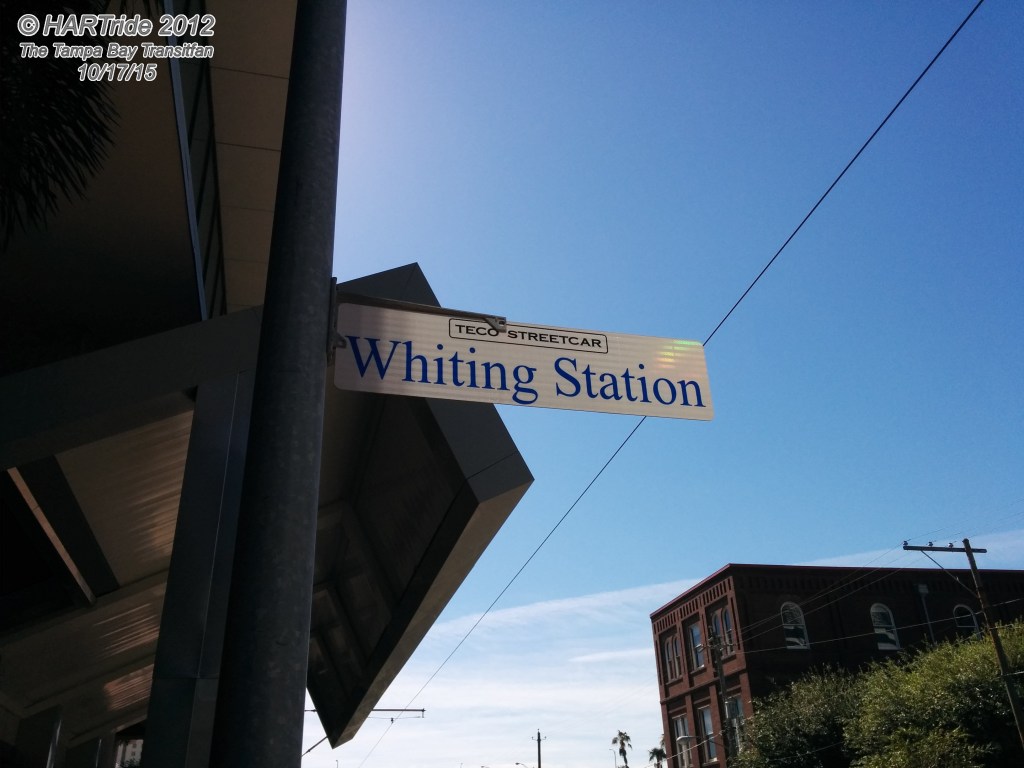
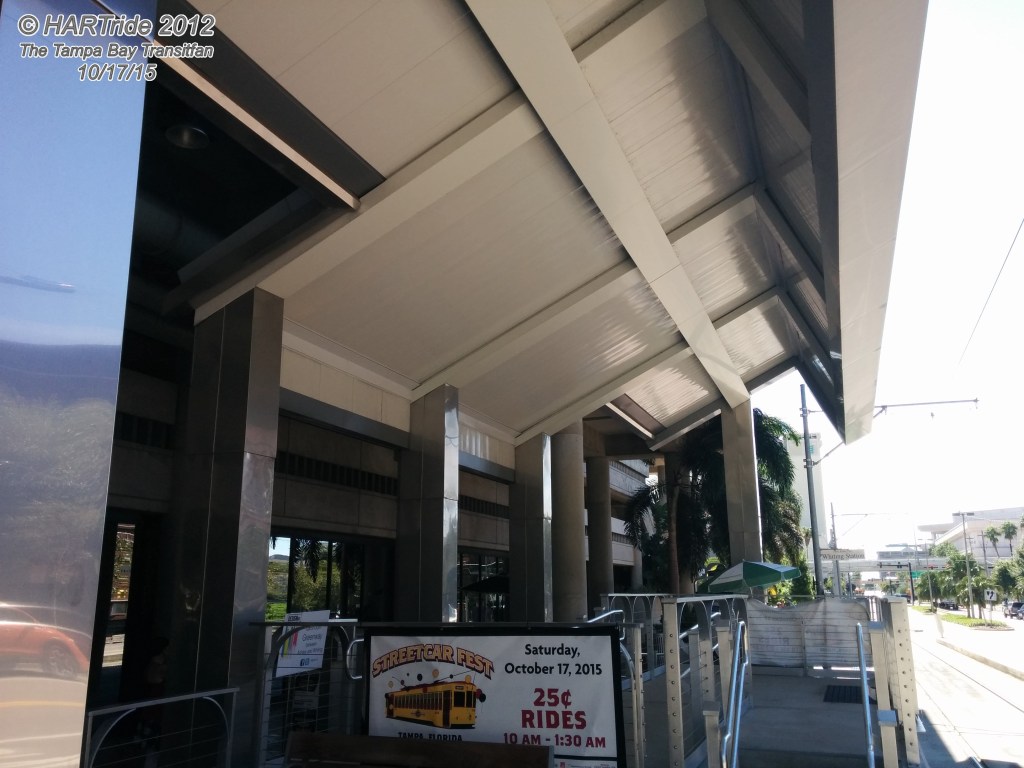
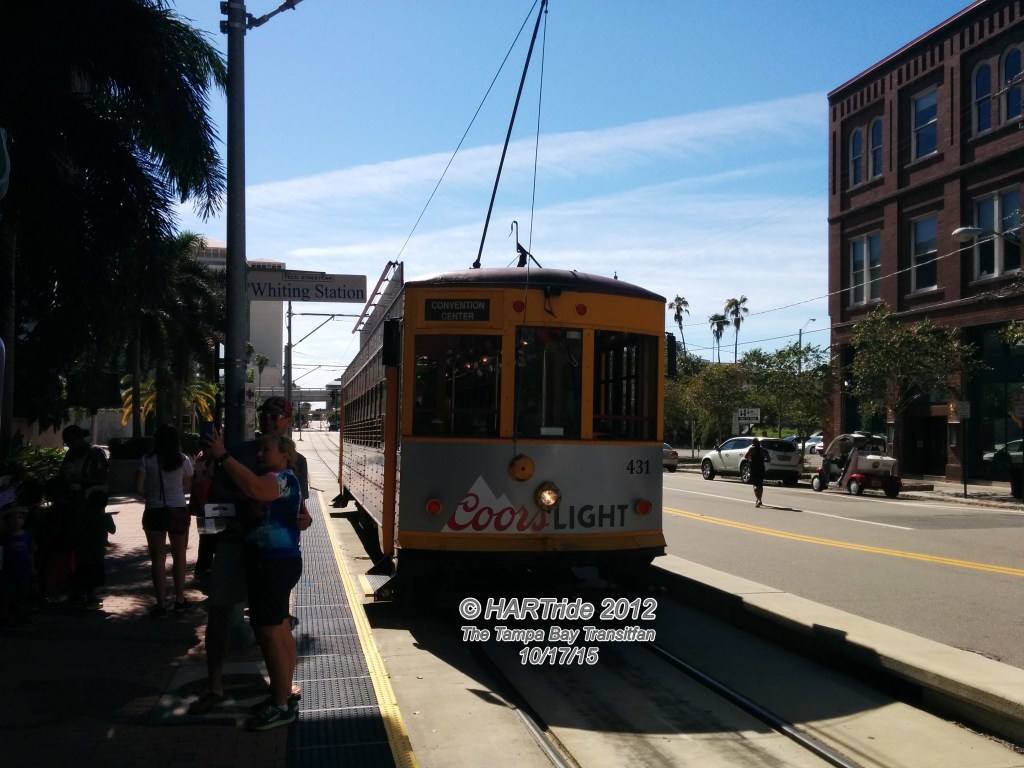
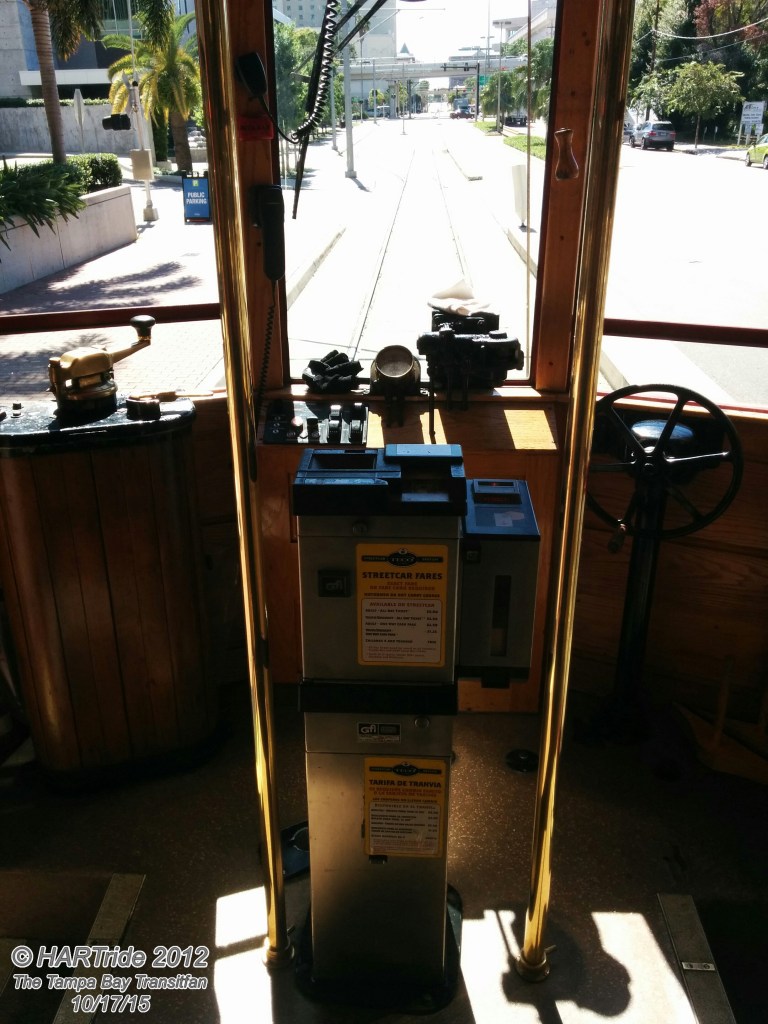
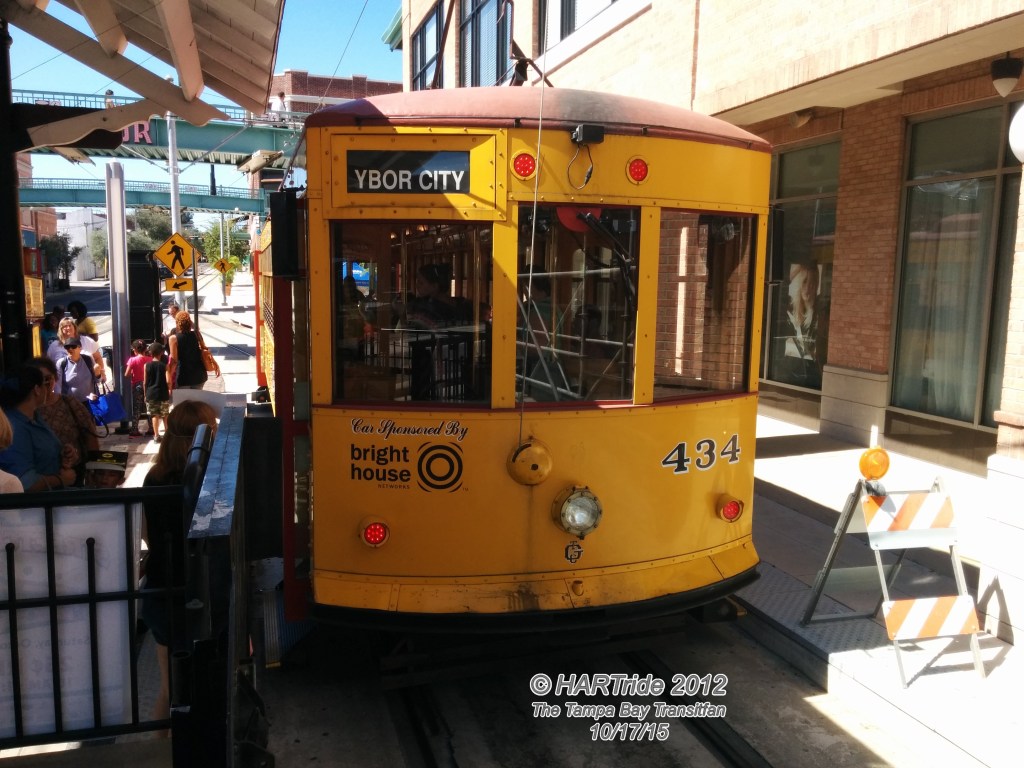
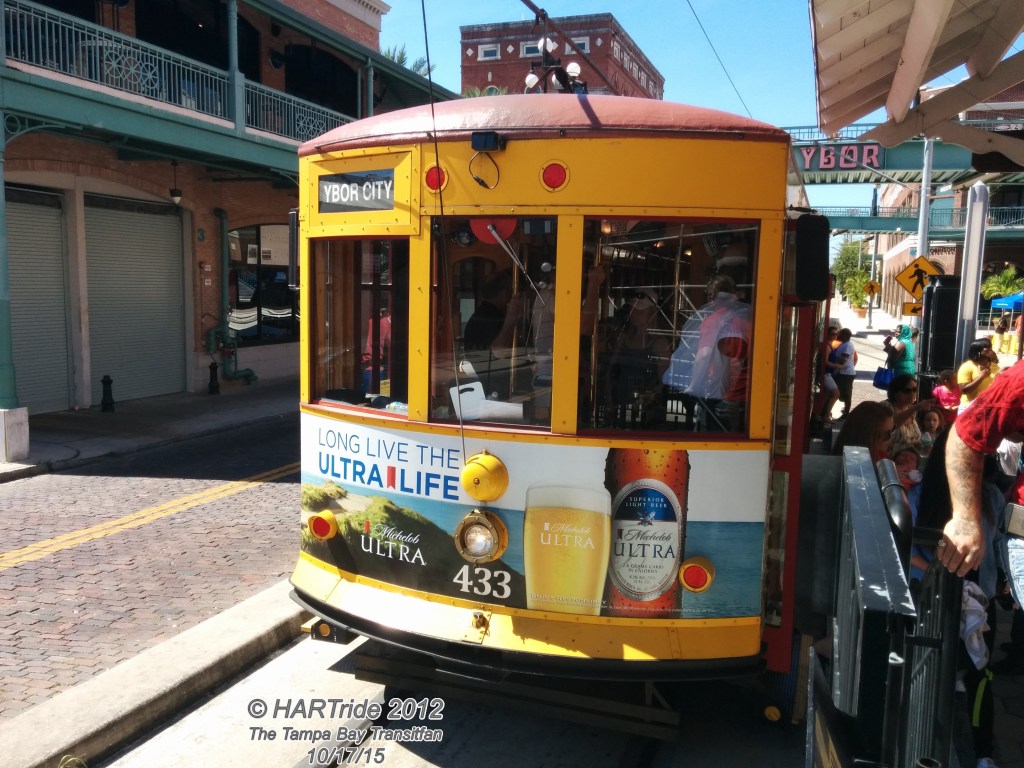
My photos (taken during the 2015 Streetcar Fest)
 The Global Transit Guidebook
2 thoughts on “TECOline Streetcar”