

Going beyond dirty diesel…
Page was last updated on: 10/13/2026.
Welcome to the Alternative Fueled Vehicles section, where I’ll cover the subject of transit buses that are powered by means other than traditional diesel fuel. This includes biodiesel, diesel-electric hybrid, battery electric, & compressed natural gas (CNG).
Originally, this was a subsection within the Hillsborough Area Regional Transit section back when I primarily covered that agency on its own. However, as The Global Transit Guidebook expanded, this page was siphoned onto its own realm to cover other agencies that have one of the above mentioned fueled vehicles.
While liquefied natural gas (LNG) was largely a short-lived production venture, these vehicles did exist at one time – and there may still be a few running. Hydrogen fuel cell buses are seeing a gradual resurgence in production since their introduction in the mid 2000s. However, use of the other fuel types mentioned is growing – specifically the use of battery electric transit buses.
So what’s up with traditional diesel?
Diesel fueled vehicles have been around for a long time and will continue to be a staple within the transportation industry for at least the next few decades. However, like gasoline, it relies on pumping fuel from the ground – which will eventually run out. Plus, diesel is dirty and harmful for the environment. You’ve probably heard of “Clean Diesel” but is it really that much better?
Clean diesel is the new generation of diesel made up of a three-part system that combines cleaner diesel fuel, advanced engines and effective emissions control technology. This new system ensures that clean diesel engines will continue to play a dominant role in the future while helping meet energy security, greenhouse gas and clean air objectives around the world.
By the Diesel Technology Forum.
I’ll let you be the judge of that statement. I’m not entirely convinced that it’s better than older vehicles that rely on older diesel engines and thus emit dirtier fumes.

Biodiesel
Some of you may have heard of biodiesel and maybe even have come across such powered vehicles. Biodiesel powered vehicles aren’t really that different from any other diesel powered vehicle, but the characteristics of the biodiesel fuel itself is what differs from traditional diesel fuel. Biodiesel comprises of vegetable oils, animal fats, or recycled restaurant grease. Such is blended into a fuel that can be dispensed into just about any diesel engine.

Read more about biodiesel at the US Department of Energy website.
Diesel-Electric Hybrid
The diesel-electric hybrid transit bus is very commonplace in the US and abroad. It combines the traditional diesel engine with electric battery cells located on the roof of the bus. Both components work in harmony to power the bus along its daily journey.
The concept of diesel-electric hybrid transit buses was built upon years of research and testing – eventually creating a level playing field by which transit agencies could obtain a fleet of efficient hybrid buses at an affordable cost without dealing with too many concerns as to how carbon emissions may wind up or how long a battery charge will last.
Allison EP Parallel Hybrid System
1st Generation Diesel-Electric Hybrid System from GM-Allison

For the longest time, we’ve seen here in the US, the Allison hybrid system. The Allison system by General Motors (GM) utilize parallel drive technology that is more efficient than the traditional series systems. Long life, non-hazardous, and maintenance free NiMH batteries capture and store braking energy and advanced solid state controllers manage and blend power sources to optimize performance and efficiency.
The Allison EP Parallel Hybrid System (initially branded as the Allison Electric Drives EP System) was introduced in 2003 & comprised of two operating modes or speed ranges. Buses contain a diesel engine but also a battery or ESS on the roof structure – as portrayed by the above image. While the image depicts a Gillig hybrid transit bus, Nova Bus & New Flyer also manufactured transit buses using either the Allison EP 40 or EP 50 systems. The EP 40 was found on 29/30′, 35′, & 40′ regular transit buses while the EP 50 system was found on 60′ articulated transit buses & 45′ motor coaches.
Allison eGen Flex Hybrid System
Allison’s 2nd Generation Diesel-Electric Hybrid System
In 2021/22, Allison unveiled its second-generation diesel-electric hybrid drive system known as eGen Flex through a partnership with Gillig Corporation (though New Flyer hybrid buses can be ordered with the same system as of 2024). IndyGo in Indianapolis, IN was among the first customers to equip a bus order with this system & I am aware that a few other agencies have since ordered such hybrid buses. The eGen Flex system is available for regular transit buses (29/30′, 35′ & 40′ as the eGen Flex 40), as well as articulated (60′) transit buses & motor coach (45′) buses (as the eGen Flex 50). For both systems, multiple models are available to suit the customer (agency)’s needs – including CertPlus.
BAE Systems HybriDrive
Includes Series-E & ER
Within the last decade however, we’ve seen a direct hybrid system competitor rise to prominence in the US – BAE Systems. BAE produces its HybriDrive product line for transit buses, maritime vessels, cargo, and heavy-duty military vehicles, as well as rail vehicles. BAE does business with Gillig, New Flyer, and other major transit bus producers across the globe to produce a high-quality hybrid propulsion system – as well as zero-emissions and near-zero-emissions propulsion systems.
Recent technological advancements in the BAE HybriDrive system have made buses run even more efficiently than their older counterparts. In fact, the battery is in full operation while the bus is traveling below 25mph. Once the bus exceeds that speed, or if the battery depletes below 60%, the diesel engine will kick in and recharge the battery. Operators at various transit agencies had to receive special training on these newer buses because when the bus is idle, the engine will make a vibrating noise as if it was shutting off. However, the bus is still running even when in idle. This advancement creates a much quieter ride than its older counterparts, even when the diesel engine is running.
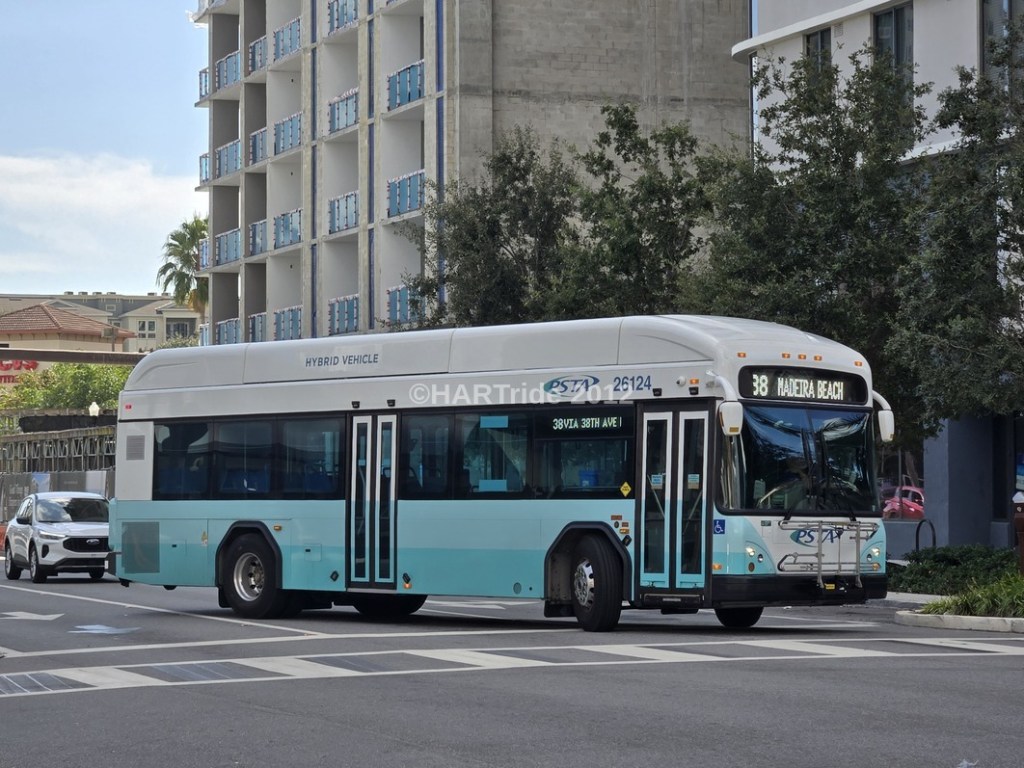
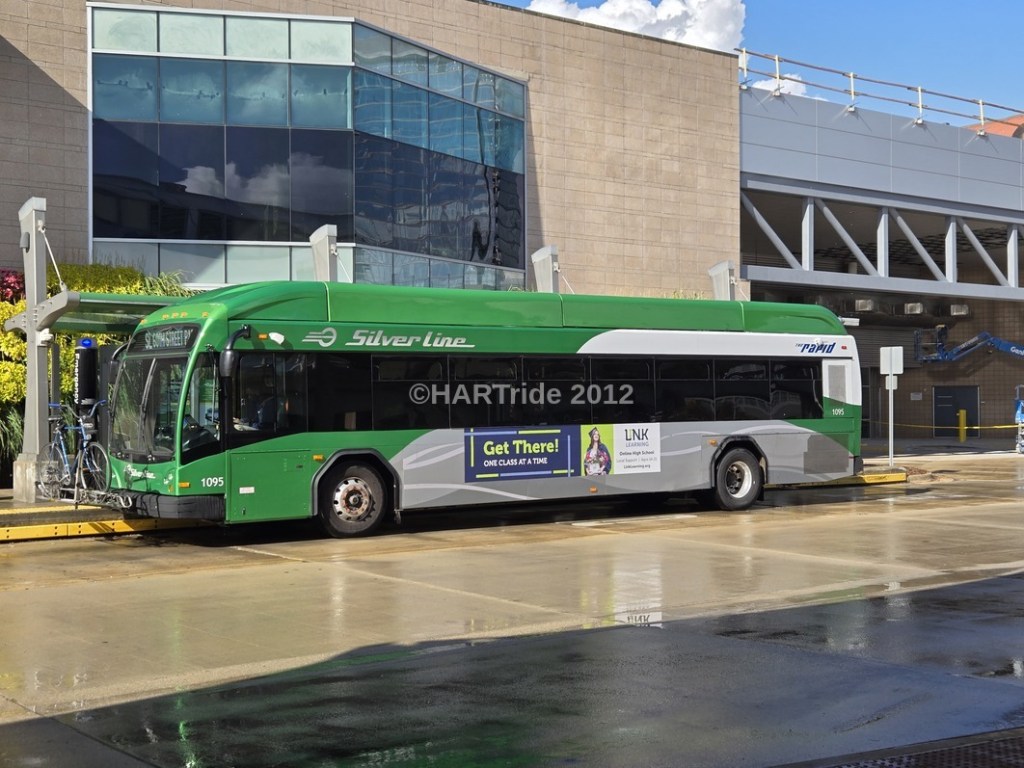
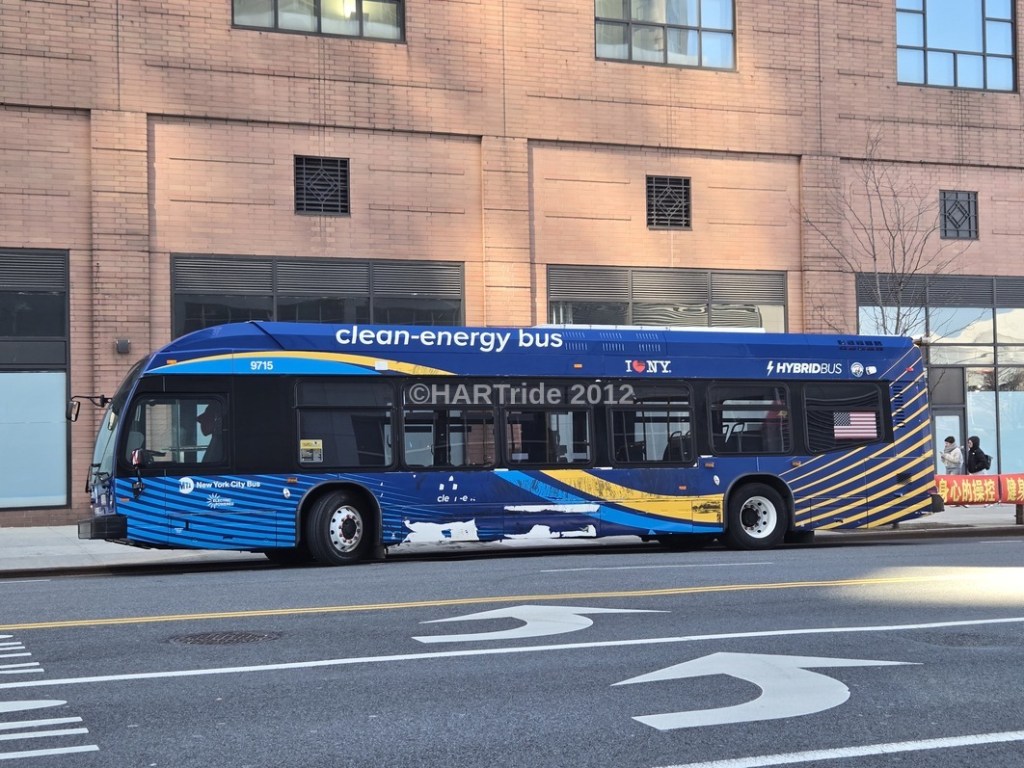
Please see the gallery below to view photos of the various diesel-electric hybrid buses that I’ve taken over the years.
^ Bus uses the Allison system.
* Bus uses the BAE system.





Régie Autonome des Transports Parisiens (RATP) Hybrid Buses
The RATP in Paris, France operates several different models of hybrid-electric/diesel buses, though some models are not widely used within the network. In recent years, some buses have been purchased by the regional transit operator, Syndicat des transports d’Île-de-France (or STIF, which is now known as Île-de-France Mobilités). STIF buses are identifiable through their grey livery with the STIF logo on the side or the new Île-de-France Mobilités livery.
Below is a list of the makes and models of hybrid buses that the RATP operates, and how many of each model operate in revenue service. This list was compiled during the month of April/May, 2013, and comes from the website http://www.busiloe.fr/, which is in French.
Please note that some of the bus types & manufacturers listed below may have units that have since been retired.
- Standard buses (equivalent to your 40′ transit bus in the US)
- Heuliez GX317: 4
- Renault Agora: 1012
- Irisbus Agora line: 414
- Irisbus Citelis line: 884
- Irisbus Citelis 12: 474
- MAN NL 223: 205
- MAN Lion’s City: 121
- Mercedes Citaro: 68
- Mercedes Citaro facelift: 82
- Scania Omnicity: 221
- Articulated buses
- Renault/Irisbus Agora L: 209
- Irisbus Citelis 18: 156
- Irisbus Crealis 18: 2
- MAN Lion’s City G: 157
- MAN Lion’s City GL: 16
- Scania Omnicity: 11
- Heuliez GX427 Hybrid: 1
Now to some photos of the RATP buses. I’ll only distinguish between articulated and non-articulated buses for now, but I may be able to get a few more posted here soon. All photos listed in this sub-section are courtesy of Furitokama (please subscribe to his YouTube channel).


Île-de-France Mobilités)-purchased bus.


Île-de-France Mobilités)-purchased bus.
Compressed Natural Gas (CNG)
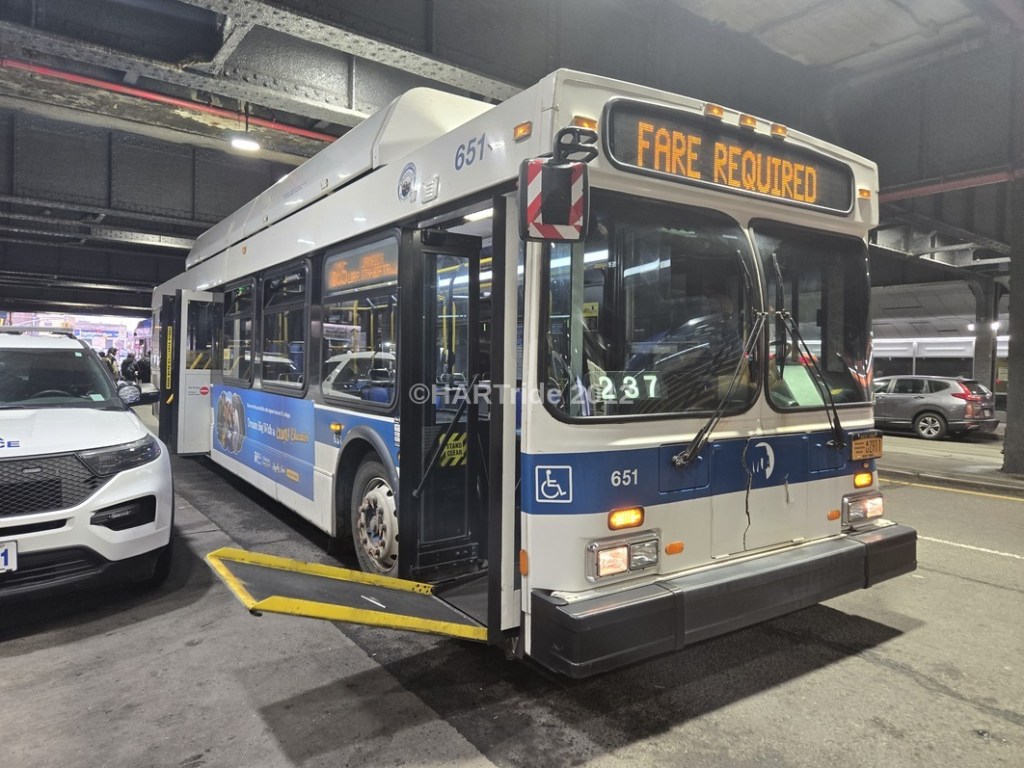
Compressed Natural Gas is becoming a popular alternative to traditional and even clean diesel-powered buses. CNG utilizes Methane gasses that are stored at high pressure. Compared to diesel and propane (LPG), CNG emits fewer undesirable gasses and is safer than other fuels in an event of a spill (Source:Wikipedia).
Many transit agencies across the nation and the globe use CNG-powered buses. New Flyer has been offering CNG-powered buses since the early 1990s, with Gillig following suit in 2010, and then Nova Bus in 2013. Five transit agencies in Florida currently operate CNG-powered buses:
- Hillsborough Transit Authority (HART) – Tampa, FL.
- Central Florida Regional Transportation Authority (d.b.a. LYNX) – Metro Orlando Region, FL.
- Miami-Dade Department of Transportation & Public Works (DTPW) – Miami-Dade County, FL.
- Jacksonville Transportation Authority (JTA) – Jacksonville, FL.
- StarMetro – Tallahassee, FL.


Hillsborough Area Regional Transit 4000-series (2014) Ford E450 cutaway van (Retired).


Central Florida Regional Transportation Authority (d.b.a. LYNX) # 244-416. 2016 40′ Gillig BRT Plus.


Régie Autonome des Transports Parisiens (RATP) line of Renault Agora CNG buses on layover. Credit: Furitokama.

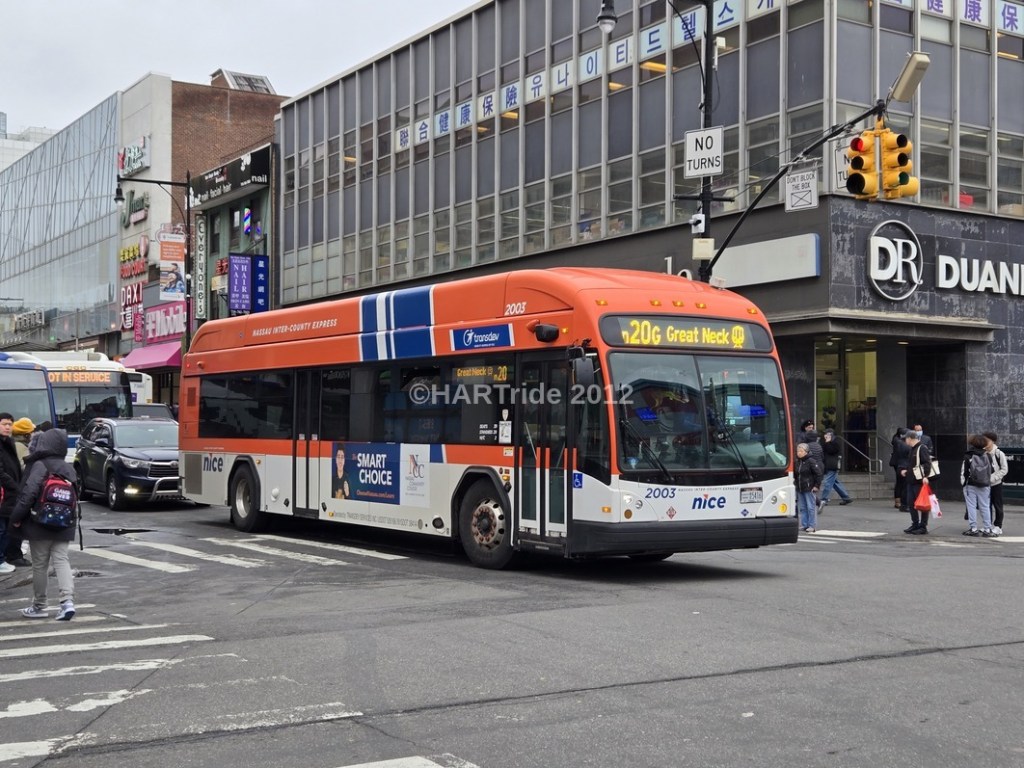
Battery Electric (BE)
25 years ago, a battery electric transit bus may have seemed far fetched. However today, battery electric buses are becoming popular across the US and in China, with evolving technological advances leading to longer battery life during a single charge. Lithium-iron phosphate batteries are positioned either on the roof or within the floor of the transit bus (depending on the manufacturer).
Complete Coach Works (CCW)
Refurbished Transit Buses
CCW specializes in rebuilding transit buses that may have been involved in severe accidents or are needing major overhaul. However, the company embarked on a pilot project in 2012 to convert an existing transit bus from diesel propulsion to a battery electric setup. To learn more about CCW, you can visit their website.

Zac (Transit 509) – who has been a contributor to the GTG website since its early days (late 2000s) – wrote a few posts about the CCW bus at BFT on his blog – Transit 509 – back in 2012 and 2013. I invite you to read through them.
- BFT Electric Bus Demonstration – 10/3/12
- More ZEPS Electric Buses On The Way? – 6/14/13
- BFT’s ZEPS Electric Bus Begins Service – 6/19/13
- For technical details; click here to visit the CCW ZEPS bus page.
Build Your Dreams (BYD)
Now doing business in the U.S. under Real Innovation Delivered with Excellence (or RIDE).
China-based BYD has been building battery electric buses like wildfires in China and has been gradually expanding its operations in the US. Currently, a handful of transit agencies operate BYD-made buses and haven’t seen many issues with them so far. The only exceptions were a highly-publicized gaffe with an order of BYD-made K11M articulated buses that ABQRide in Albuquerque, NM ordered for its bus rapid transit (BRT) line, & the initial order of K11M buses ordered by IndyGo in Indianapolis, IN for its Blue Line BRT route.
The Indianapolis buses suffered reliability issues not long after service deployment & modifications had to be made with the charging infrastructure to ensure continued operation. The Albuquerque order was more disastrous – with the agency ultimately rejecting the order outright & ordering a line of New Flyer diesel articulates as replacements thereafter.


Proterra Inc.

During my trip to Tallahassee, FL in October of 2014, I discovered the Proterra Electric Bus. The city’s transit agency, Star Metro, has five of these buses in its fleet. Proterra was formed in 2004 & prides itself on manufacturing transit buses that are powered by alternative fuels, specifically…batteries. Yes, these buses are powered by batteries that are stored underneath the floor of the bus. The company is based out of Greenville, SC, with an office in the San Francisco Bay Area. Over a dozen agencies across the U.S. have Proterra vehicles in their fleets.

Proterra’s newest model – the ZX5, capitalizes on the many elements of the Catalyst, but with up-to-date features. LYNX in Orlando, FL currently has 14 buses (8 Catalyst models & 6 ZX5 models) that operate on its LYMMO downtown circulator lines & Miami-Dade County has deployed 75 ZX5 models across the streets of Miami.
Proterra’s Unfortunate Demise
When the Covid-19 pandemic struck the globe, many industries were hit with production stoppages & other major hardships. From what I’ve read, Proterra had apparently grown too fast during the course of 2018 & 2019 & the company began to fracture under its own weight. When the Covid-era lockdowns occurred in 2020, it set off a chain reaction of events that plummeted the company into bankruptcy & divestiture of its assets. Transit bus manufacturing operations were ultimately siphoned to Phoenix Motors – which as of 2025 – has been struggling to fulfill maintenance & parts backlogs left behind by Proterra. While I hear that Phoenix is trying hard to catch up, nearly all transit agencies that have ordered sizeable quantities of Proterra buses have been forced to sideline them from service & file petition waivers with the Federal Transit Administration (FTA) to allow for the buses to be retired out early without suffering substantial penalty – as nearly all such orders were purchased using FTA grant money.
New Flyer Xcelsior Charge
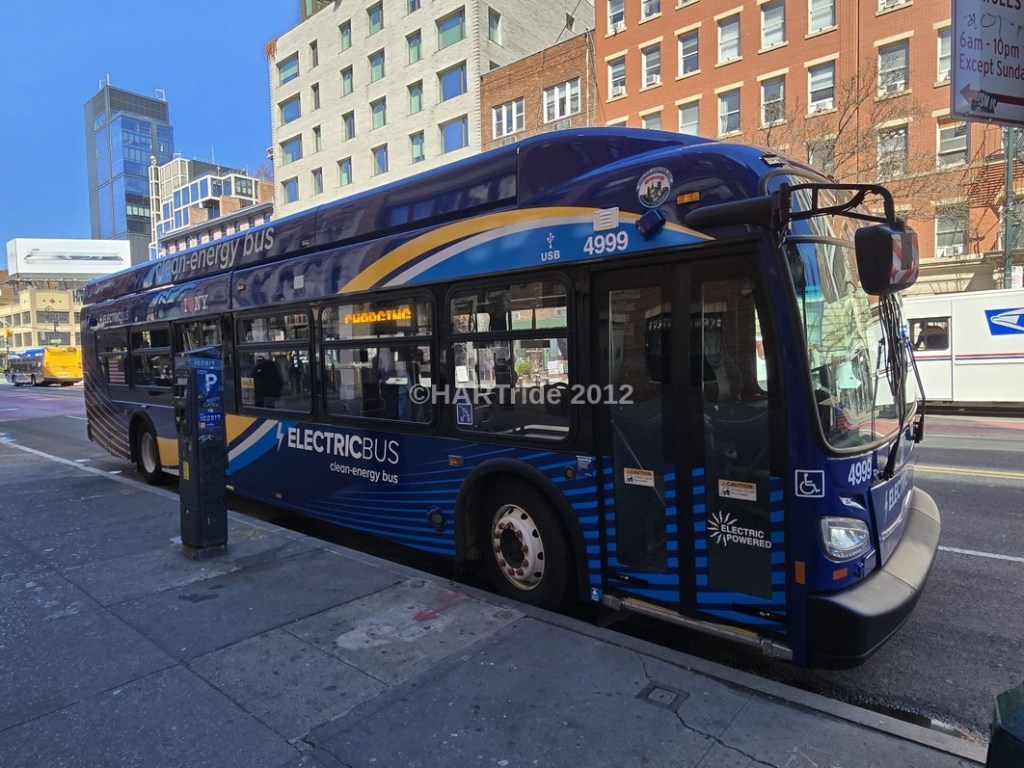
In the last decade, New Flyer Industries – a powerhouse for heavy-duty transit buses in the US and Canada – introduced the battery electric variant of its highly successful Xcelsior brand of transit buses. Its demo bus has traveled to many US and Canadian cities and so far has signed on with Winnipeg Transit in Canada, and the Chicago Transit Authority and the Washington (D.C.) Metropolitan Area Transit Authority (WMATA) in the US. As of February, 2018, the Chicago CTA has been very satisfied with the two introductory units that they’ve been testing on their system and have announced that they will purchase more of them in the coming months. This news came on the heels of the New Flyer demo unit making rounds in the Miami-Dade area before spending a day with PSTA. Additionally, the New York Metropolitan Transportation Authority tested small fleet of Xcelsior Charge buses & wound up making its first regular order (though only for 15 buses) in 2018. Those buses entered service in late 2019 – primarily serving Select Bus Service (SBS) routes in Manhattan that are based out of the Michael J Quill depot. In 2021, another order was placed – comprising #’s 4965 through 5024.


Gillig & Novabus Battery Electric Platforms

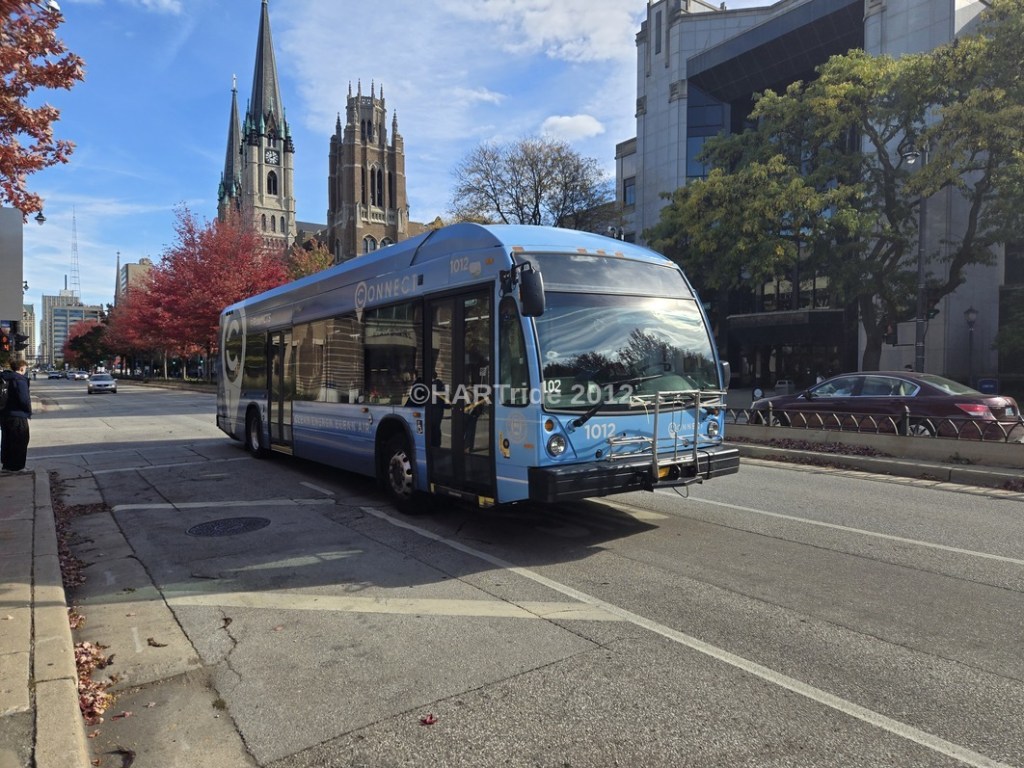
The past five years have proven to be even more of a game-changer when it comes to the battery electric bus here in the US, as both Gillig & Novabus have entered the market with versions of their mainstay low floor vehicles.
- Gillig Low Floor Plus Battery Electric
- Cummins, which has been known worldwide for its production of diesel engines, began producing a battery electric powertrain for transit vehicles a few years ago. The company entrusted Gillig to produce a version of its Low Floor Plus transit bus to facilitate production of the latter’s first battery electric low floor bus line.
- Numerous US transit agencies have ordered small test fleets – including the Pinellas Suncoast Transit Authority (PSTA) in Pinellas County, FL. The agency initially ordered two pilot units before ordering a total of seventy-three units across two contracts. All of the buses are in revenue service as of August 2026.
- Nova Bus Low Floor System Battery Electric (LFSe)
- The Nova LFSe bus possesses a TM4 Sumo HD electric powertrain.
- An extended range version is also available (the LFSe+), using the BAE Systems HDS200 electric powertrain.
- The LFSe & LFSe+ models are only currently offered in the standard 40-foot length. The articulated 60-foot variant is in development.
- Only a small handful of U.S. transit agencies have signed contracts for the LFSe or LFSe+ platforms. As of 2024, Nova Bus appears to have stopped production of the LFSe platform but continues to market & sell the LFSe+.
- Nova Bus has announced that it’ll once again be exiting the U.S. market – beginning in 2025, leaving the future of the product platform in a layer of uncertainty. Nova Bus made vehicles will still be available for U.S. agencies to order, but due to federal rules, FTA grant funds can’t be used for Nova Bus orders.
Solaris Bus & Coach
Polish-based bus manufacturer Solaris is attempting its North America entry with contracts already signed by King County Metro, the New York Metropolitan Transportation Authority, & the San Francisco Municipal Railway (MUNI) for its U.S. version of its Urbino series battery electric transit buses. The three agencies have placed orders for respective pilot batches of the 40′ Urbino units while San Francisco & Seattle have also signed on for pilot batches of the 60′ Urbino units. If the company is successful, these pilot units will be manufactured by 2028.
A 40′ Urbino demo unit was on display at this year’s American Public Transit Association (APTA) Expo in Chicago, IL.
Hydrogen Fuel Cell
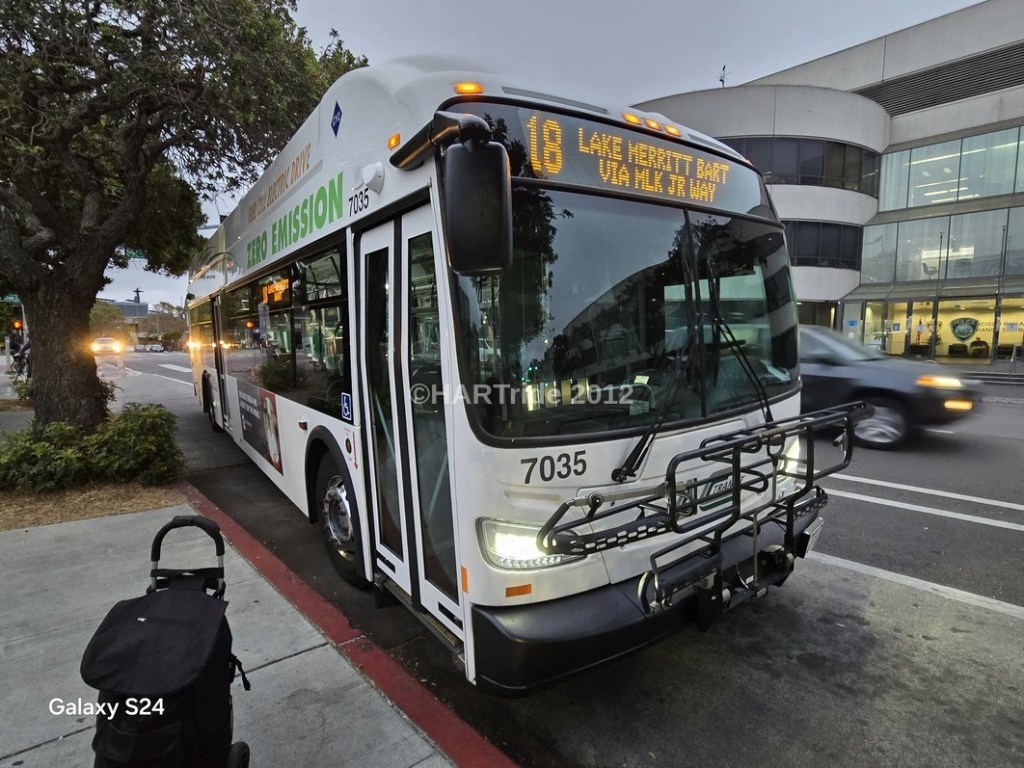
As mentioned at the beginning of this page, Hydrogen Fuel Cell transit buses are seeing a gradual resurgence into the overall transit bus market. New Flyer is currently the sole manufacturer of Hydrogen Fuel Cell transit buses, but Gillig is currently developing its own model using the Low Floor Plus platform.
Alameda-Contra Costa Transit District (a.k.a. AC Transit) & Montgomery County Ride-On are just two U.S. transit agencies that have adopted the New Flyer Xcelsior Hydrogen Fuel Cell platform. Ride-On has a fleet of XHE60s for its Flash BRT service, while AC Transit has taken on both XHE40 & XHE60 models.


One thought on “Alternative Fueled Vehicles”