
Page was last updated on 11/15/2023.
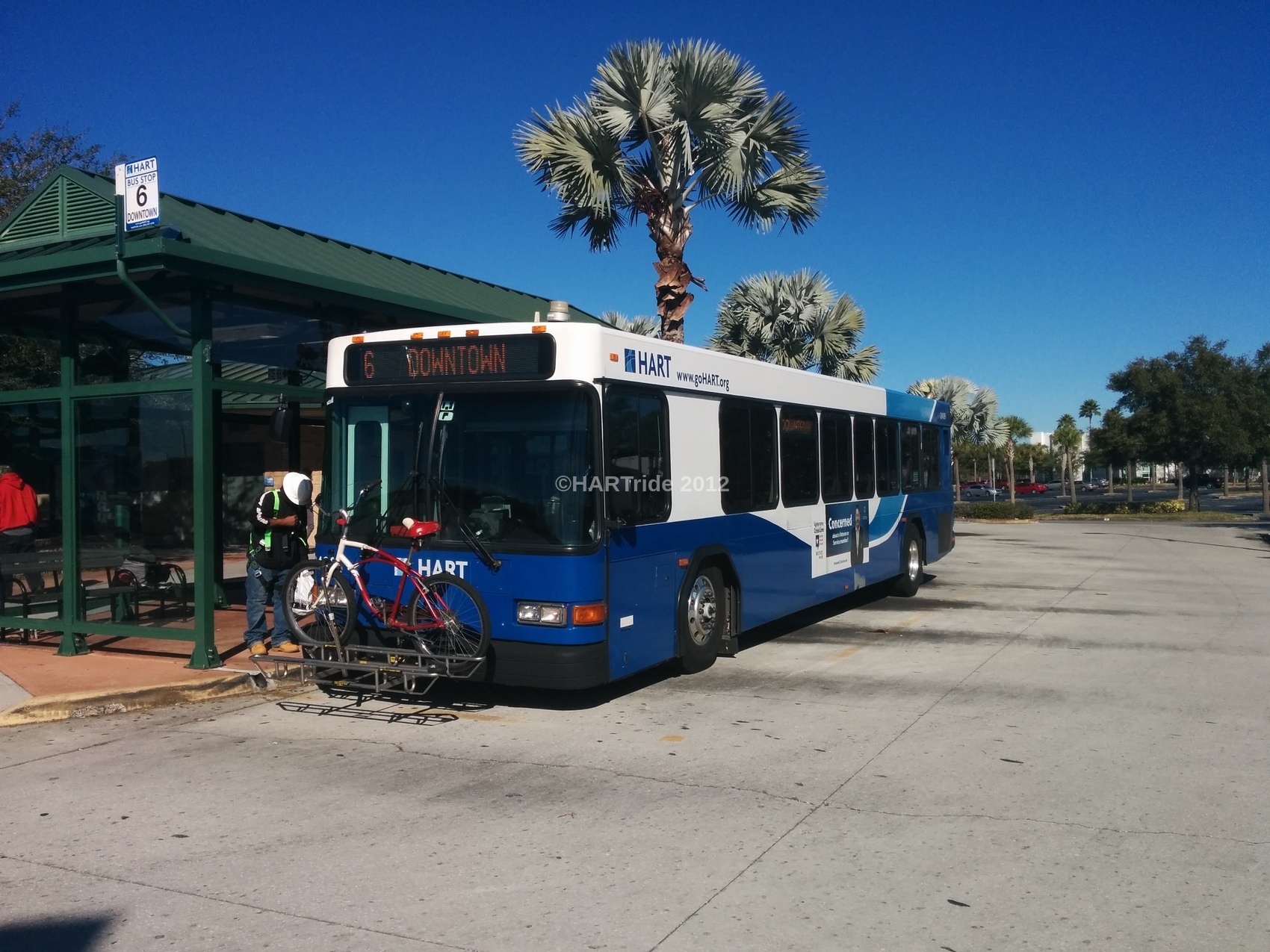
It’s not goodbye, it’s see ya later!
Welcome to the HART Retired Transit Vehicles page. Here, you’ll find out more information on the various buses that no longer run on the HART system – including secondhand acquisitions. Please note that some photos shown in this portal are NOT of HART buses, rather they are public domain photos that I use simply to show what kind of bus they are. I appreciate any contributions!
I will cover the following bus types & fleets on this page:
- GM Old Look & New Look Fleets
- Flxible New Look
- Flxible Metro
- GMC RTS
- Blue Bird & Orion Coaches
- Optima American Heritage Trolley
- Gillig Phantom
- Champion/Freightliner T-300
- Gillig Low Floor Fleets
- 1999 35′ Gillig Low Floor
- 2000 29′ Gillig Low Floor
- 2001 40′ Gillig Low Floor
- 2002 40′ Gillig Low Floor
- 2002 & 2003 29′ Gillig Low Floor Fleets
- 2003 40′ Gillig Low Floor
- 2004 40′ Gillig Low Floors
- 2005 40′ Gillig BRT
- 2006 40′ Gillig Low Floor
- 2007 29′ Gillig Low Floor Replica Trolley
- 2009 40′ Gillig Low Floor
- 2010 40′ Gillig Low Floor
GM Old Look & New Look Fleets

During the mid 20th Century, most public bus networks throughout the US were operated under contract through National City Lines. Tampa was no exception to the rule, & until HART’s creation in the early 1980s, the city & much of Hillsborough County was served by NCL – through its subsidiary service Tampa Transit Lines.
The Tampa Transit Lines fleet began with a batch of GM Old Look buses – which operated through the 1970s.
Unit #’s were as follows:
- 1949 30′ models: #’s 4500 – 4501
- 1950 30′ models: #’s 4502 – 4506
- 1951 30′ models: #’s 4507 – 4514
- 1958 35′ Models: 4515 – 4529
- 1959 35′ Models: 4530 – 4533
- 1967 30′ Models: 4554 – 4561
In 1959, GM began producing the New Look line of transit buses. TTL operated roughly 25 of these buses, with a few purchased by the State of Florida to operate an experimental cross-bay route between Pinellas & Hillsborough Counties.
The unique characteristic of the GM New Look was the one-piece windshield, which gave the bus the nickname Fishbowl. Otherwise, the bus’s overall appearance was similar to that of the Flxible New Look.
Unit #’s were as follows:
- 1960 35′ Models: #’s 4534 – 4553
- These buses were produced in three batches, with #’s 4534 & 35 being first, followed by 4536 – 48, then 4549 – 53.
- 1974 35′ Models: 4591 – 4593
Flxible New Look
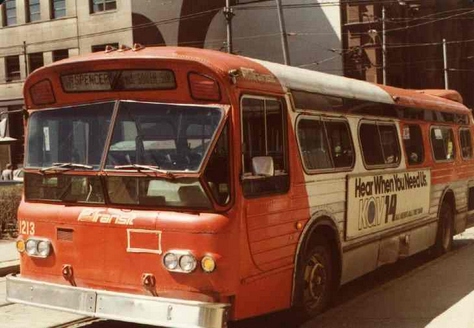
In addition to the GM New Look fleet, there were 59 Flxible New Look buses. Several buses were never used however. The Flxible New Look buses were among two major bus types to roll out during the 1960s and 1970s. The other bus was the GM New Look bus.
HART utilized the Flxible New Look fleet of buses until the late 1980s or early 1990s, when GMC RTS and Flxible Metro buses began to take hold in the system. Production of the New Look ended in 1995, with nearly all of the transit agencies that used them, having retired them.
Unit #’s were as follows:
- 1971 35′ Models: 4562 – 4588
- 1973 35′ Models: 4536 – 4548 (2nd generation usage)
- 1974 35′ Models: 4501 – 4535, 4549 – 4554, 4558 – 4561, 4589 – 4590 (2nd generation usage)
Flxible Metro
& the ill-fated Grumman 870

During the 1980s, Flxible came out with another transit bus called the Grumman 870. This bus was manufactured during the time that Flxible was owned by Grumann Corp and was supposed to rival the GMC RTS bus. Even though the bus turned out to be an initial success, its major design flaws quickly became apparent. The A-frame design of the bus was not able to withstand wear and tear from roadways that had numerous potholes. This forced Grumman to take numerous buses in New York City off the roads and make costly repairs to them. In all, 2,656 buses nationwide had to be repaired at a cost of $7 million dollars. These flaws eventually caused the demise of Flxible in the 1990s (Source: Wikipedia).
The Flxible Metro (pictured above) was an effort by Flxible in the 1980s to shore itself up after the Grumman 870 “disaster”. Although it looks like the original 870, the design was much sturdier and more reliable. HART utilized several A and B type fleets of these buses, both in 35 foot and 40 foot models until the late 1990s, when they were replaced by Gillig models. Until 2011, you could still see elements of the Flxible Metro on older “HARTline” bus stop shields, as well as on the HART Transit Guide, where the bus was used on the compass.

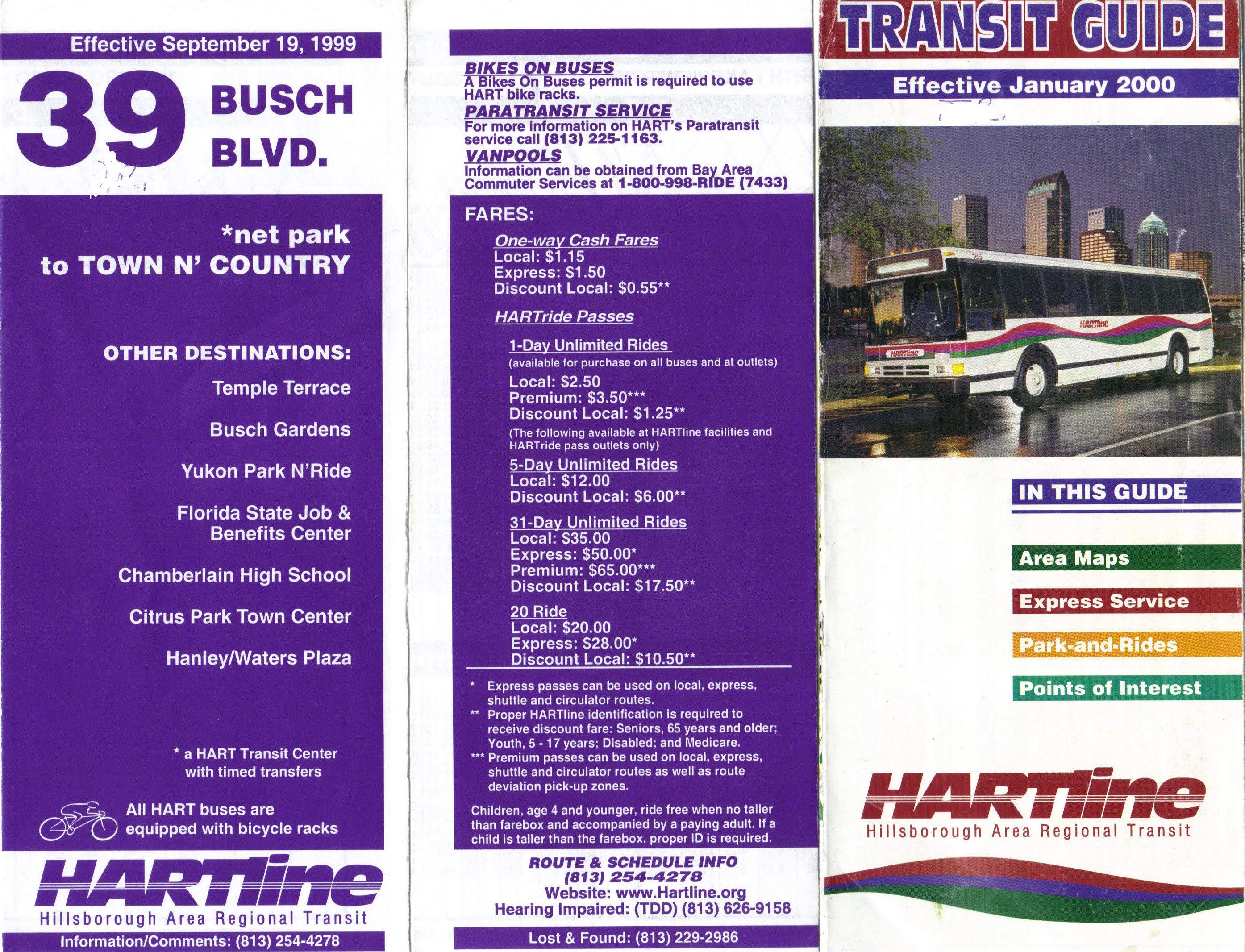
To form HART’s first mainstay bus fleet, the agency had roughly 40 1982 40′ model Grumman 870s, numbered 111, 112, 215 – 219, 271 – 276, 278 – 279, 281 – 287, 289, 291 – 298, & 301 – 309.
The 1983 Metro “A” models began with #’s 113 – 115, 171 – 179, 181 – 189, & 191 – 199 (all 35′), followed by #’s 311 – 319 & 321 – 326 (all 40′). Subsequent orders were placed for 1985 models numbered 341 – 346 (40′) & 351 – 377 (35′). 1988 Metro “B” models comprised of #’s 126 – 135, followed by #’s 136 – 140 (all 40′). The final batch of “B” models were 1989 40′ units numbered 121 – 125.
All of the Flxible buses were retired out of HART’s fleet by 2001, when Gillig units replaced them.
GMC RTS

The GMC RTS buses were produced in 1977 to compete with the Grumman 870 and later the Flxible Metro. The RTS bus was noted for its curved body and window panels and retained a futuristic yet contemporary look compared to other transit buses. When GMC discontinued production of the RTS, it sold its design and patent rights to Transportation Manufacturing Corporation (TMC), which later sold production to Novabus, & then Millenium Transit Services (MTS). MTS ceased production of the modern RTS models in 2012 & exited the market (source: Wikipedia).
Before GMC ended production of the RTS bus, HART had several 35′ & 40′ models in their stock, numbered 4600 – 4616 (1980, 35′) 249 – 269 (1985, 35′), 221 – 235 (1987, 40′), 401 – 420 (1986, 40′). These buses were used on a variety of routes, but most notably to my understanding, the Route 30, which today transports passengers between downtown Tampa & Town-N-Country via Tampa International Airport. HART began retiring these buses in the late 1990s & early 2000s in favor of Gillig models.
Blue Bird & Orion Coaches

At one time, HART had several other bus types in its fleet, some of which were Blue Bird Body Company buses. HART utilized four of these, which were numbered 551 – 555. The agency also had two Orion II buses during the mid & late 90s. No other Blue Bird or Orion units were ordered or acquired by HART.
Optima American Heritage Trolley
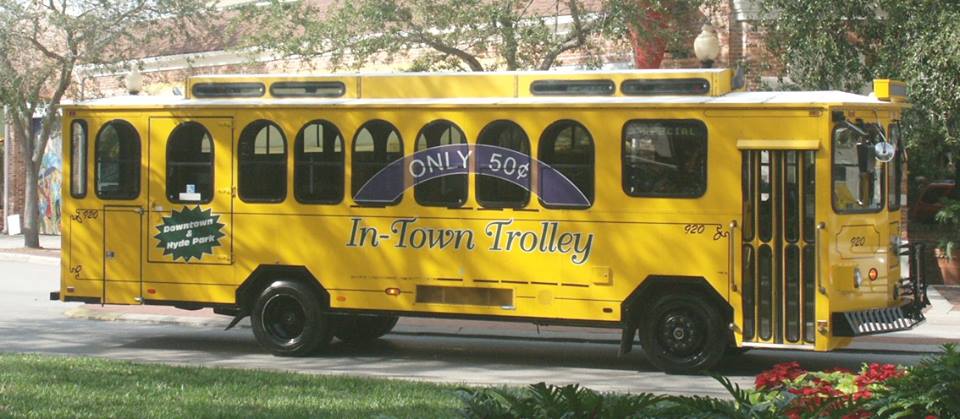
During the 1980s, Downtown Tampa had a short people mover line connecting Harbour Island. The original scope of the project was to create something akin to Miami’s Metromover network. However, due to funding issues & political strife, the line never moved beyond its initial phase & was ultimately dismantled. The City of Tampa & other parties ultimately had HART operate a replica trolleybus network for well over a decade to compensate for the loss of the people mover. The first incarnation of this tolleybus network was the Uptown-Downtown Connector, which later morphed into the second incarnation – the In-Town Trolley. The third & final incarnation would be known as the In-Towner. The original fare for the trolley was 50 cents, which was lowered to 25 cents in 2008, & eliminated in 2016. HART ceased all trolleybus services in 2019 following years of declining ridership & a lack of interest by the city & other parties to run the service.
The Optima American Heritage Trolley was the first model of replica trolley to operate on the downtown trolleybus networks. It isn’t known to me exactly how many of these units existed, but there were at least five (two 1998 models & three 1999 models) – numbered 801, 802, 920, 921, & 922. These buses would later be replaced with Gillig Low Floor replica trolley models.
Gillig Phantom
Retired as of 2009
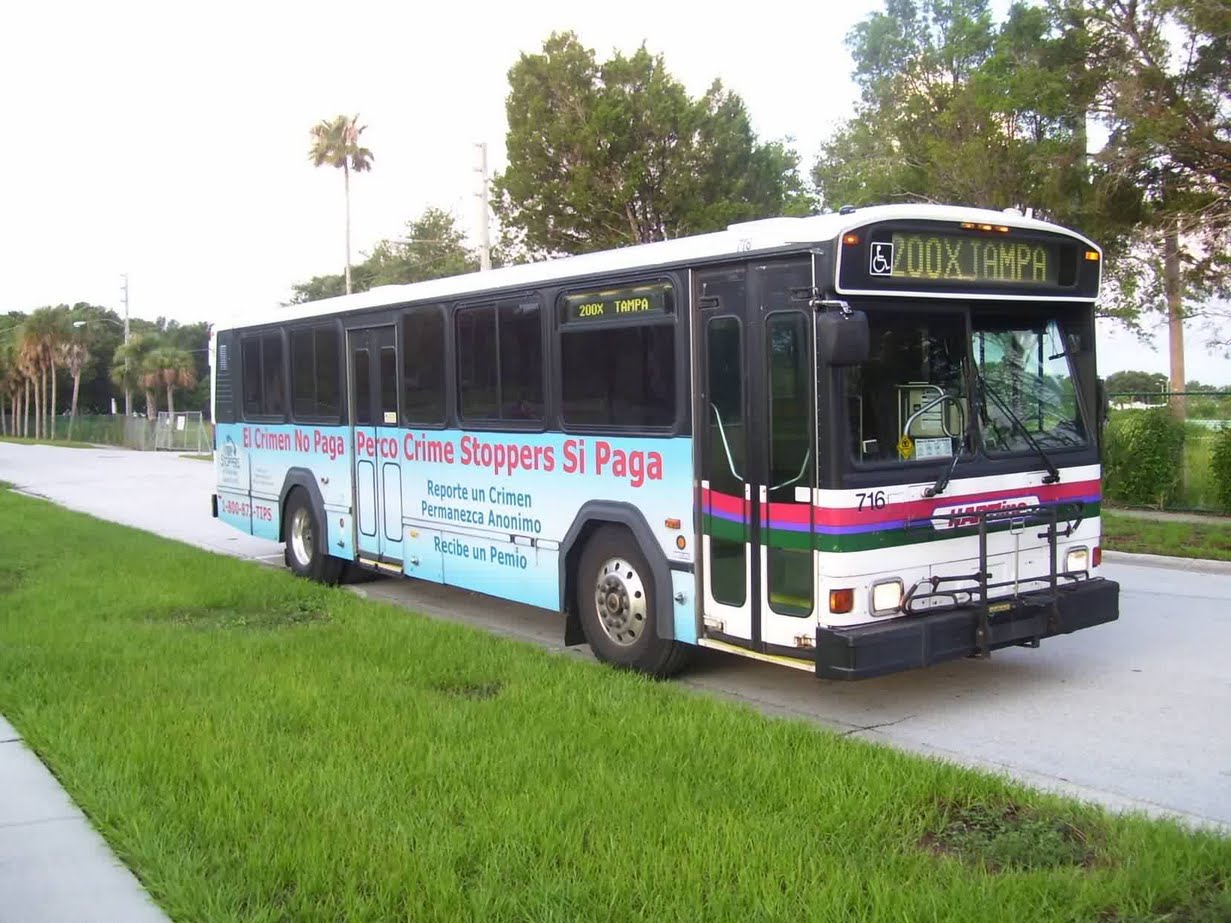
Just the name sounds haunting don’t it? HART purchased two different fleets of Gillig Phantom buses back in 1996 & 1997 respectively. They included ten 30′ models (#’s 601 – 610) & twenty seven 35′ models (#’s 701 – 727). In 2007, the authority began phasing out all but three of the 30′ models. The remaining models (#’s 602, 608, & 609) continued to run on lower frequency routes. HART began phasing out the remaining 30′ and 35′ models in August 2009, with the final nine (703, 708, 711, 713, 717, 720, 723, 725, & 726) being retired in late September. HART actually managed to run these nine buses until the very last day of service (September 29), utilizing Routes 1, 2, 5, 6, 7, 8, 12, 18, 19, 30, 32, 36, 41, & 89.
Let’s take a look at the Phantom & its features…
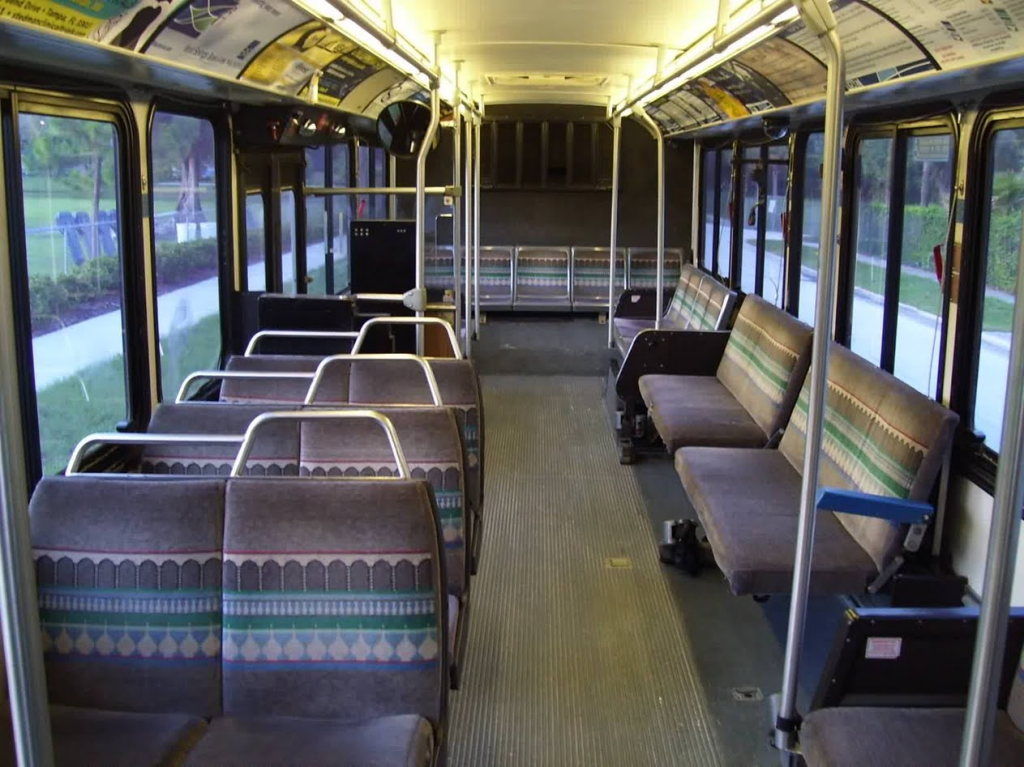
Gillig produced the high floor Phantom model from 1980 through 2009 & served as a transit powerhouse for many small & mid-sized transit agencies through the 1990s & early 2000s. With the exception of a small number of buses built in a 3-year long joint venture with Neoplan from 1977 to 1979, the Phantom was Gillig’s first public transit bus. The first Phantoms were 35′ long & 96” wide, however 30′ & 40′ models were offered beginning in 1981, & 102” wide models became available in 1983. A liquefied natural gas fueled version was produced beginning in 1992, & was later discontinued. A diesel-electric hybrid powered version was produced beginning in 1996, but was discontinued in 2006. In its latter years of production only the 102” wide version was available due to stricter emissions and accessibility requirements. Production of the Phantom ceased in 2009, as semi-low floor buses became more & more of the norm nationwide.

To date, the only Florida transit agency that still actively operates the Gillig Phantom is the Gainesville Regional Transit System in Gainesville, FL. However, only 14 units remain in the fleet & most are relegated to contingency status (meaning they won’t go out unless other buses break down or are otherwise unavailable for service). Once the remaining units are retired, Florida will be a completely semi-low floor transit bus state, with exception to high floor commuter coaches & high floor transit buses that continue to operate with private charter bus companies.


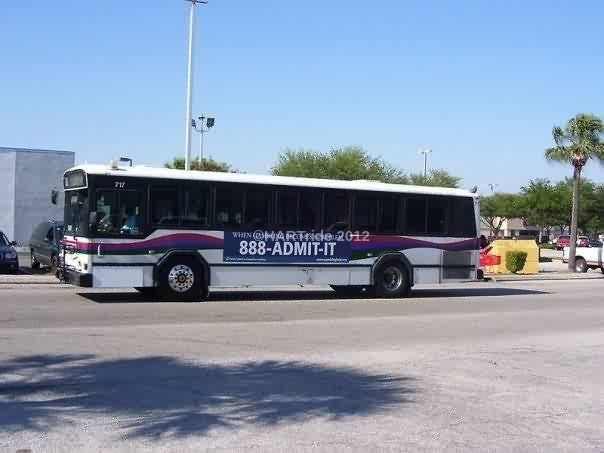


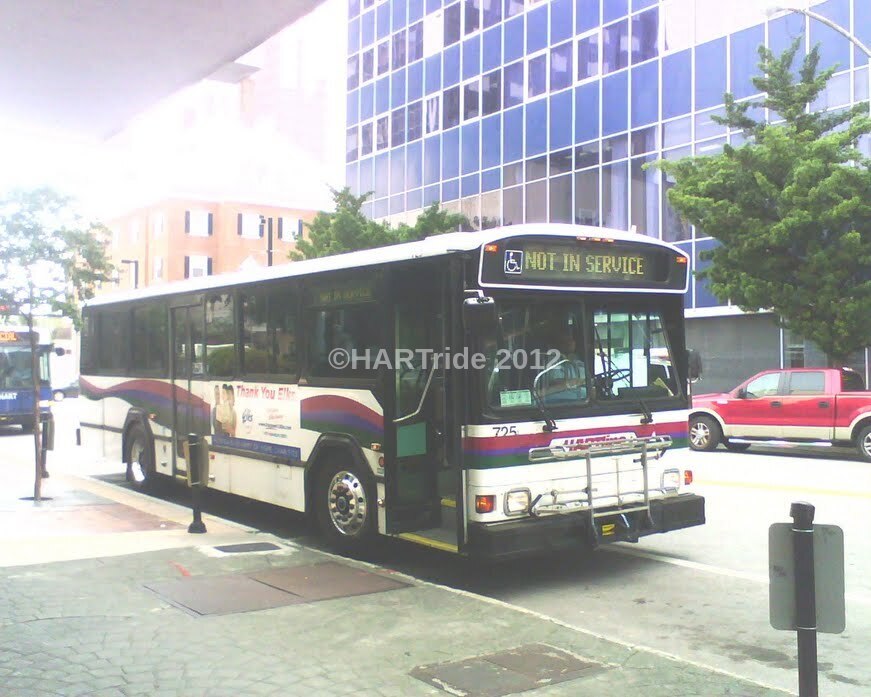
A couple of years following retirement from HART, #’s 602, 608, & 609 were utilized as employee shuttles for Moffitt Cancer Center’s facility near the USF Tampa Campus, operated by Escot Bus Lines – one of the main charter bus companies in the Tampa Bay region.
Champion/Freightliner T-300
Secondhand buses from Dallas Area Rapid Transit
Retired as of 2010

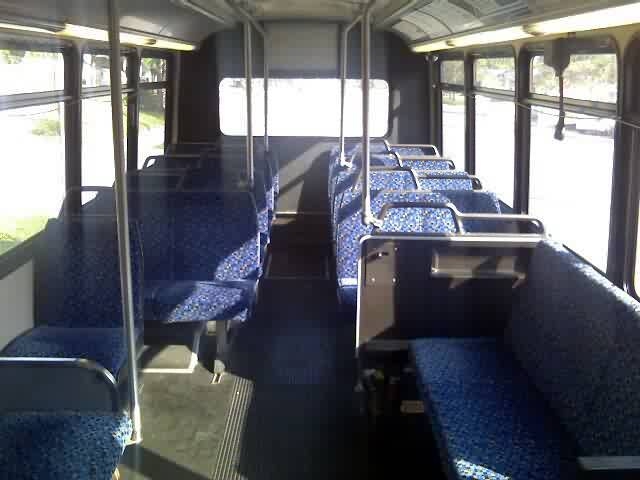
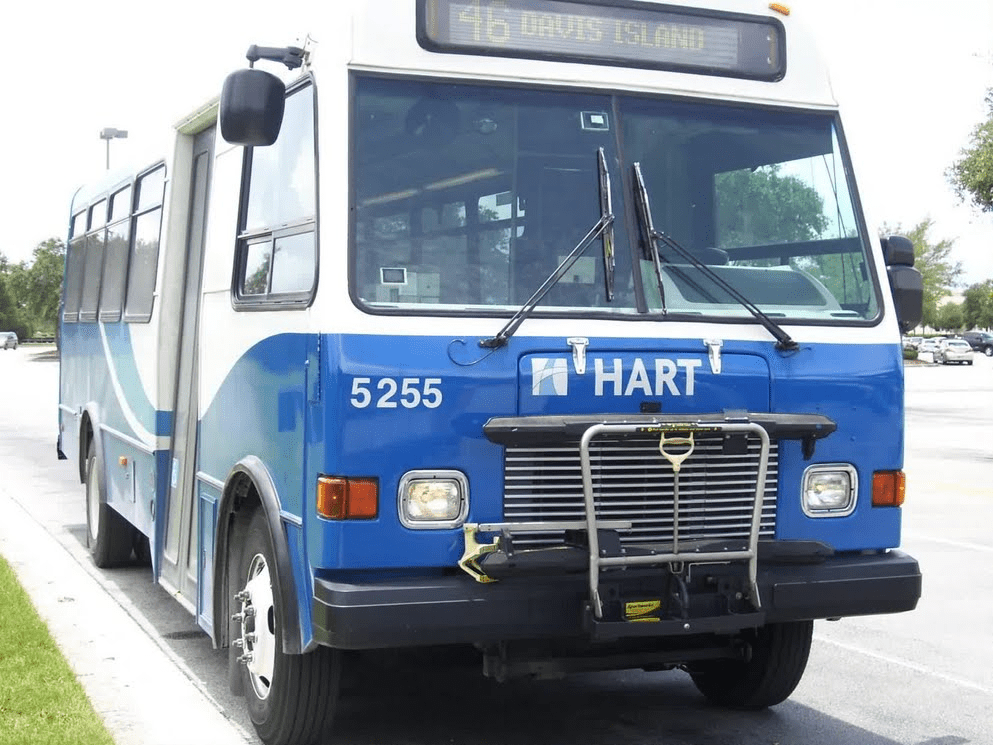
HART purchased twelve 27-foot 2001-model Champion/Freightliner T-300 buses in 2008 to serve as an interim fleet while the Gillig fleet was repainted in the current blue/white livery. These buses were purchased from Dallas Area Rapid Transit (DART) & were used on lower-capacity routes such as the now-defunct neighborhood connectors, as well as other lower ridership routes such as the 31, 41, & 57. I found it very interesting that HART kept DART’s 5200 & 5400 unit numbers intact on all twelve of these buses.
Unit numbers were as follows:
5208, 5254, 5255, 5256, 5258
5407, 5410, 5416, 5417, 5418, 5421, 5424
Despite two major drawbacks; 1) being a high-floor bus, and 2) having only one exit/entry door, these buses served both DART and HART very well. They make wonderful shuttle buses for smaller transit districts and private charter companies! In 2010/2011, these buses were phased out in favor of the 2010-series Gillig Low Floor buses.
The following photos were taken by Shawn B.



The following photos were taken by me.


Gillig Low Floor Fleets
All of HART’s Gillig Low Floor buses from 1999 through 2007 have been retired from service, along with nearly all of the 2009 & 2010-series buses. Because the remaining units from the latter two orders are being prepared for retirement, I will no longer be listing those series on the Active Vehicles page.
1999 35′ Gillig Low Floor
Retired as of 2012
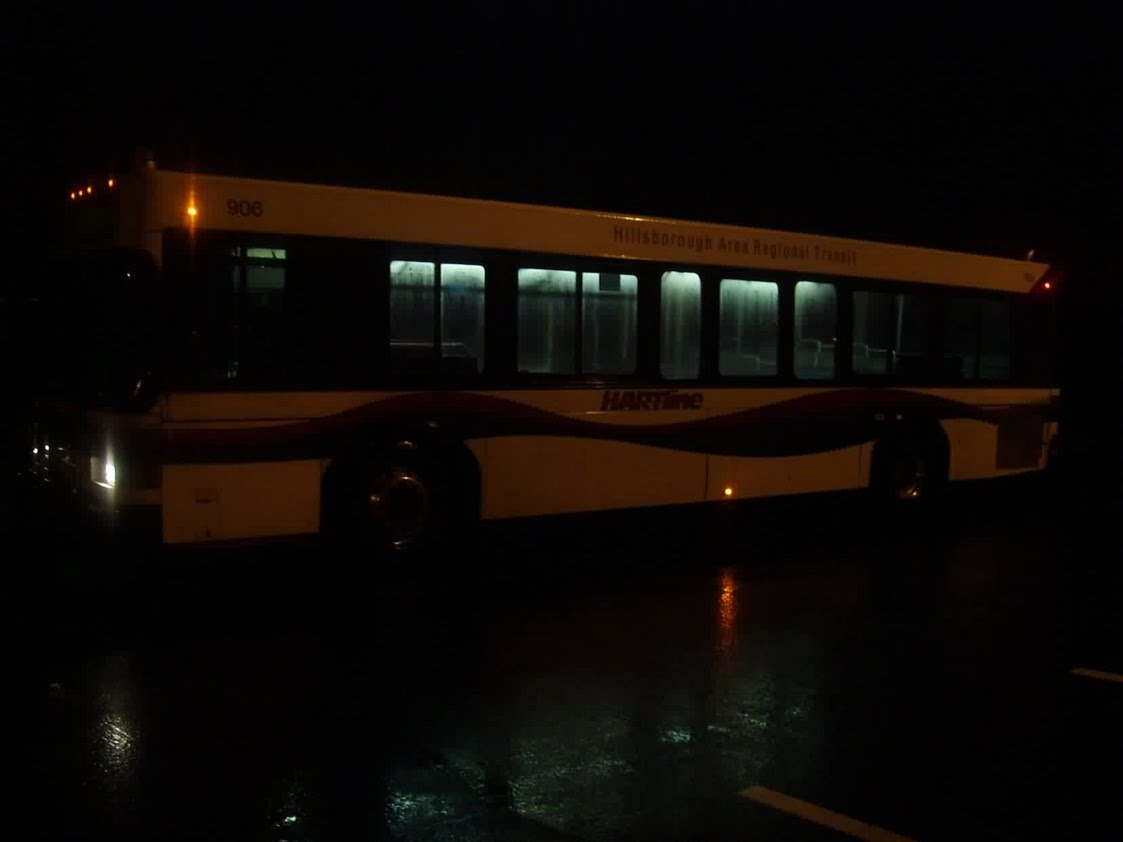
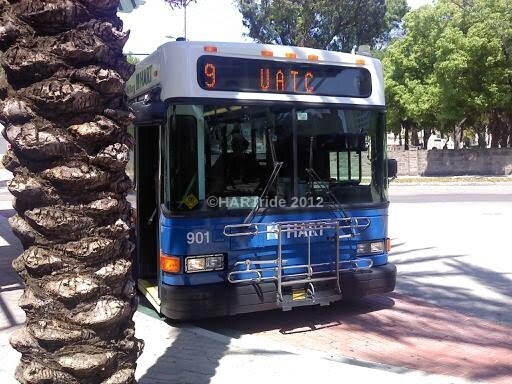
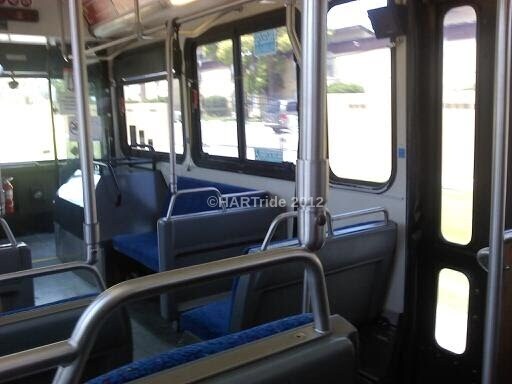
The 1999-series Gillig Low Floor was HART’s first low floor bus fleet. The agency ordered seventeen 35-foot buses (numbered 901 through 917) equipped with similar plush seating to their Phantom counterparts. These, along with the 2000-series low floors, were the last two fleets to posses Flip Dot destination displays. In 2008, these buses were painted in the current livery and were originally slated to be extensively refurbished. Some buses received interior refreshes due to seating cushions needing replacement. HART was not able to refurbish all of them due to budgetary constraints.
In 2012, HART began to gradually retire these buses due to their condition and high cost of maintenance, as well as the failure of the 2010 transit referendum. Because of these factors, the buses were retired without replacement, causing the agency’s overall bus count to decrease. Since 2012 in fact, HART’s fleet has decreased from roughly 210 buses to roughly 170.





2000 29′ Gillig Low Floor
Retired as of 2012
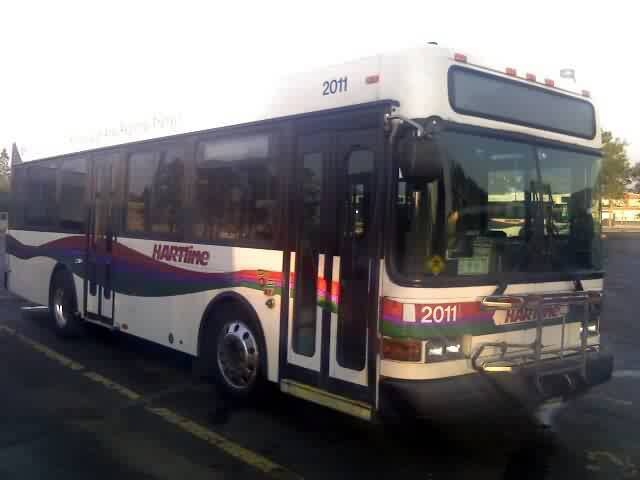
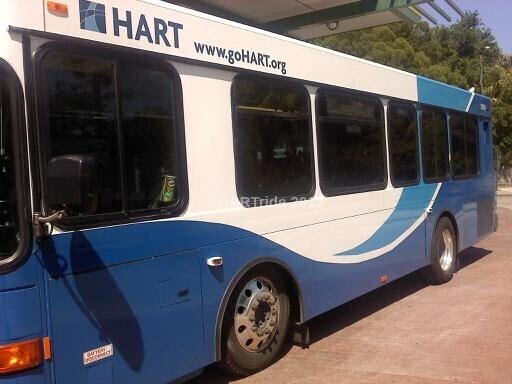
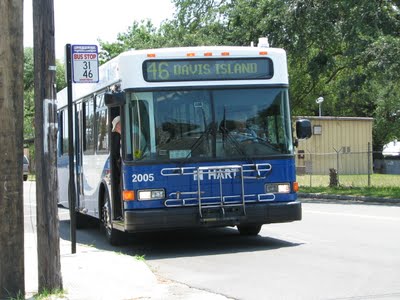
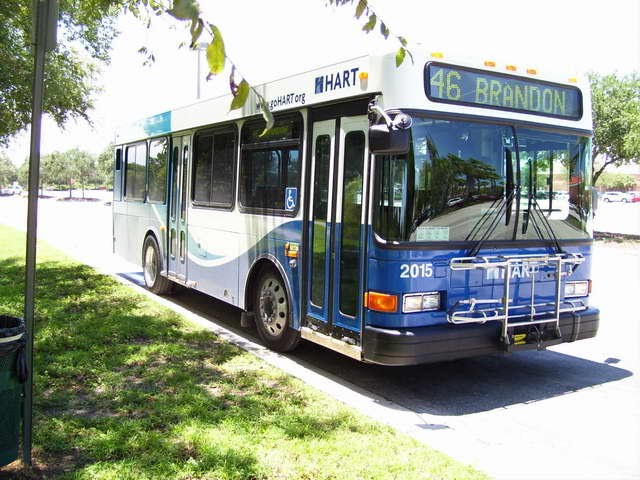
Despite the model year, the seventeen 29′ 2000-series Gillig Low Floor buses were retired before the 1999 fleet was. Like their older siblings, these buses featured Flip Dot destination signs & plush interiors. They were also originally slated to be extensively refurbished, but were forced into retirement in 2011 due to the failure of the 2010 transit referendum. The 2010-series Gilligs replaced this fleet as a result. There are two exceptions however; #s 2005 and 2015, which were not retired until 2012 due to lower mileage readings. This was in-turn due to both buses needing to be rebuilt after being involved in separate accidents.
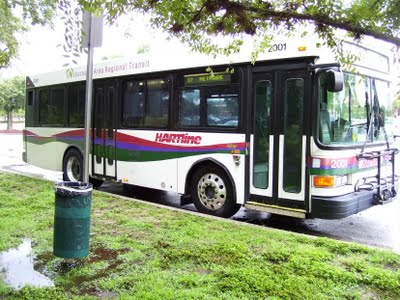
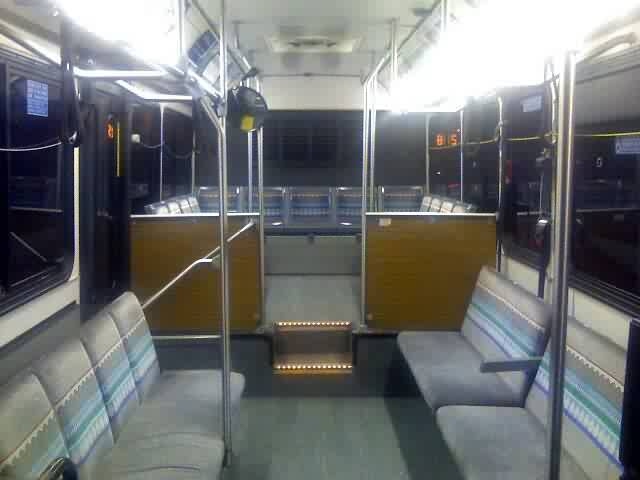
#s 2005 & 2015, as I mentioned earlier, were the two 2000-series buses that had a lot of downtime due to their involvement in separate accidents. They were not eligible for retirement until sometime in late 2011, though they were kept until sometime in early 2012. Their replacements were #s 1215 & 1216.



2001 40′ Gillig Low Floor
Retired as of 2016

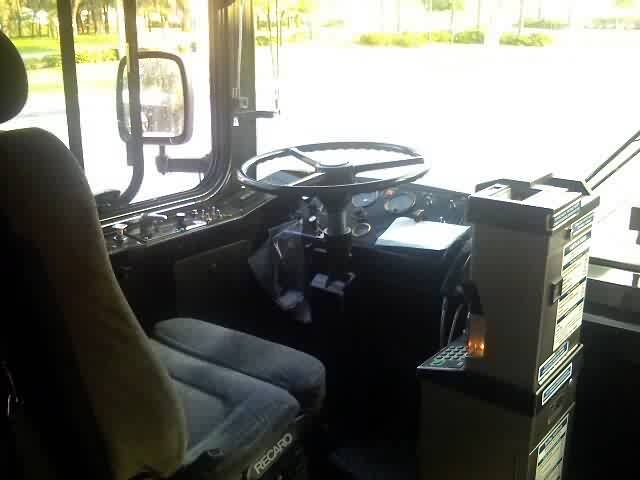
HART ordered twenty three 40′ 2001-series Gillig Low Floors – numbered 2101 through 2123 – to begin replacing the last of the legacy GMC RTS & Flxible Metro units. The buses were in-turn gradually retired between 2013 & 2016, with # 2106 being the last to be retired. These buses were similar to their 1999 counterparts, but with all-bucket seating and Twin Vision amber LED destination signs. These buses were also the first among four generations of Low Floors within HART to be equipped with Voith transmissions, not to mention that they were HART’s first 40′ low floor bus.
Let’s take a quick look at the buses.



2002 40′ Gillig Low Floor
Retired as of 2016

The 2002 & 2003 Gillig Low Floor buses were both split orders when it came to vehicle lengths. The 2002-series buses comprised of ten 40′ buses (2201 through 2210) & fifteen 29′ buses (2215 through 2229). I’ll profile the 40′ units first, followed by the 29′ units.
In 2015, nine out of ten 2002-series 40-foot Gilligs (2201 through 2209) were quietly replaced by the 2015-series 40-footers. 2010 was retired in 2016, being replaced by the 2016-series 40-footers. The seating layout of these buses are very similar to the 2001-series buses in the sense that they have sideways-facing seats in the front and rear of the bus, but the arrangement of the windows and positioning of the rear exit door are different – a result of a design change that also included a slightly larger windshield & redesigned front LED headsign.
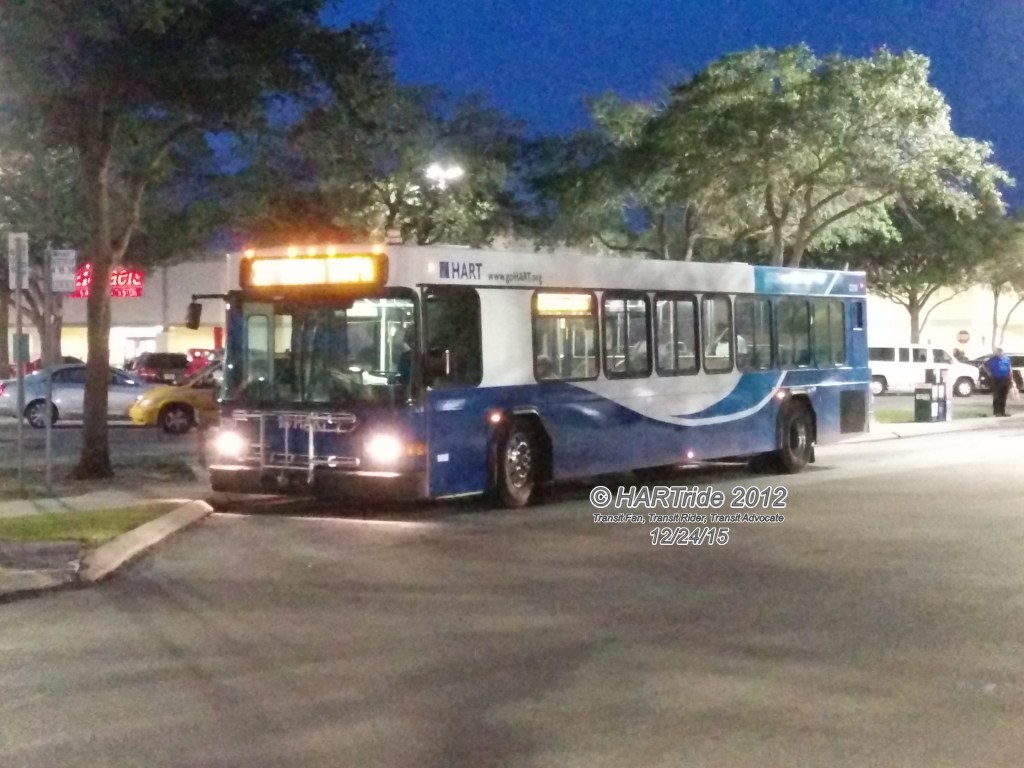


After retirement from HART, #’s 2203 & 2207 spent roughly six years at Go Pasco as #’s 39891 & 39892 respectively, while #’s 2202, 2205, 2208, & 2209 were sold to Texas A&M University to operate on their campus shuttle system as #’s 670, 671, 672, & 674 respectively. # 2208/674 has since been donated to the Texas Transportation Museum to be preserved. The museum has lovingly restored the bus back to its grandeur look with Texas A&M, but isn’t in operating condition yet. Please consider donating to the museum if you’re able to so that they can eventually get it back in operating condition.
2002 & 2003 29′ Gillig Low Floor Fleets
Retired as of 2017
In this next sub-section, I’ll profile the twenty five 30′ Gillig Low Floor buses that HART had in its fleet. The 2003 models were numbered as 2301 through 2310. From what Shawn originally told me, these Gilligs were the most fun bus to drive. Their short size makes them very maneuverable, & considering they have the same powertrain as their bigger siblings, they go pretty good too!
The 30′ Gilligs were typically used along lower-capacity routes, like the 31 & 41. These buses are also used on routes where the powers to be made turns that would not be a lot of fun in a 40′ bus. Not saying of course that it couldn’t be done…but making certain turns in a 40′ bus would be somewhat difficult given their size. It really all depends on how the buses were handed out each day.
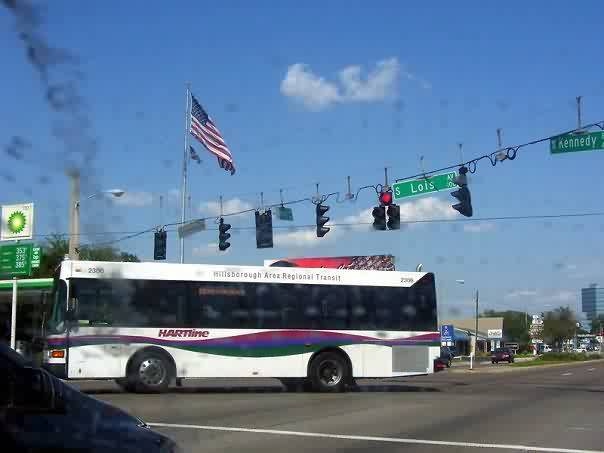


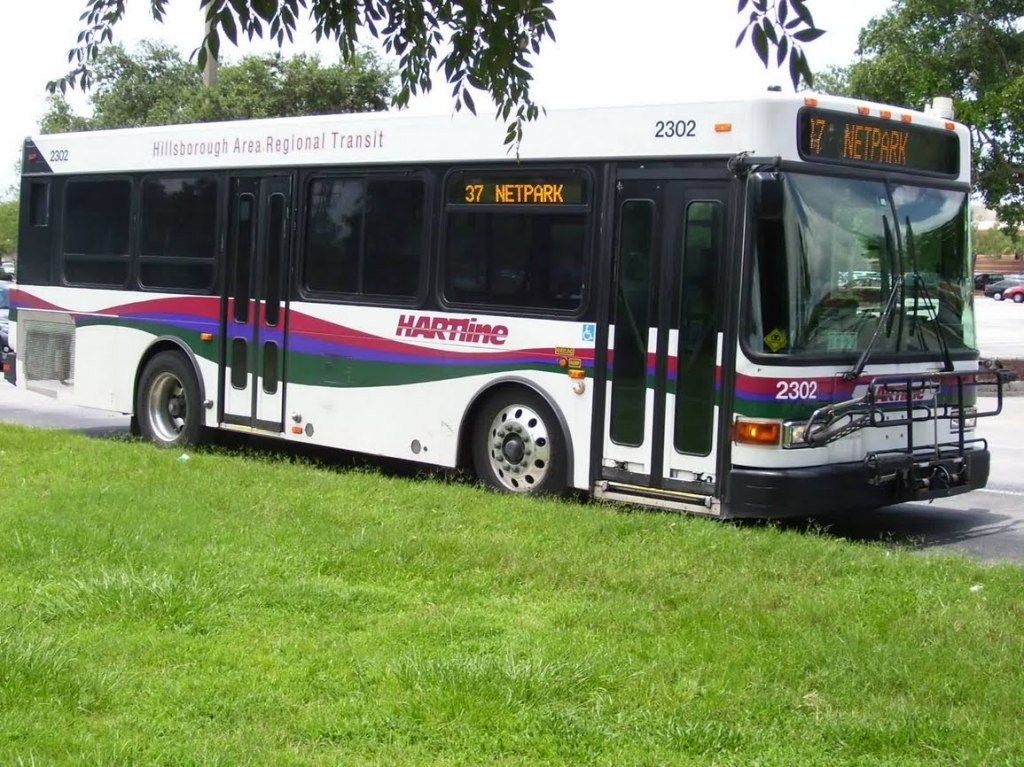


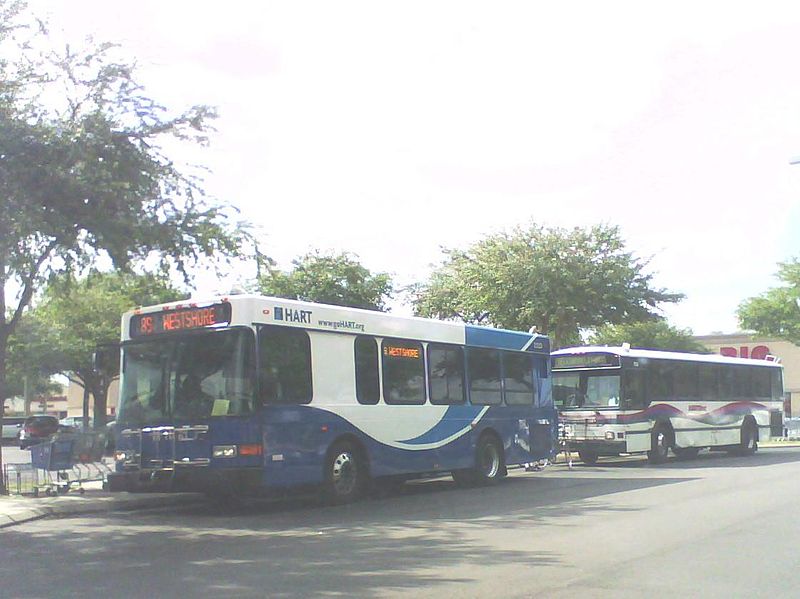


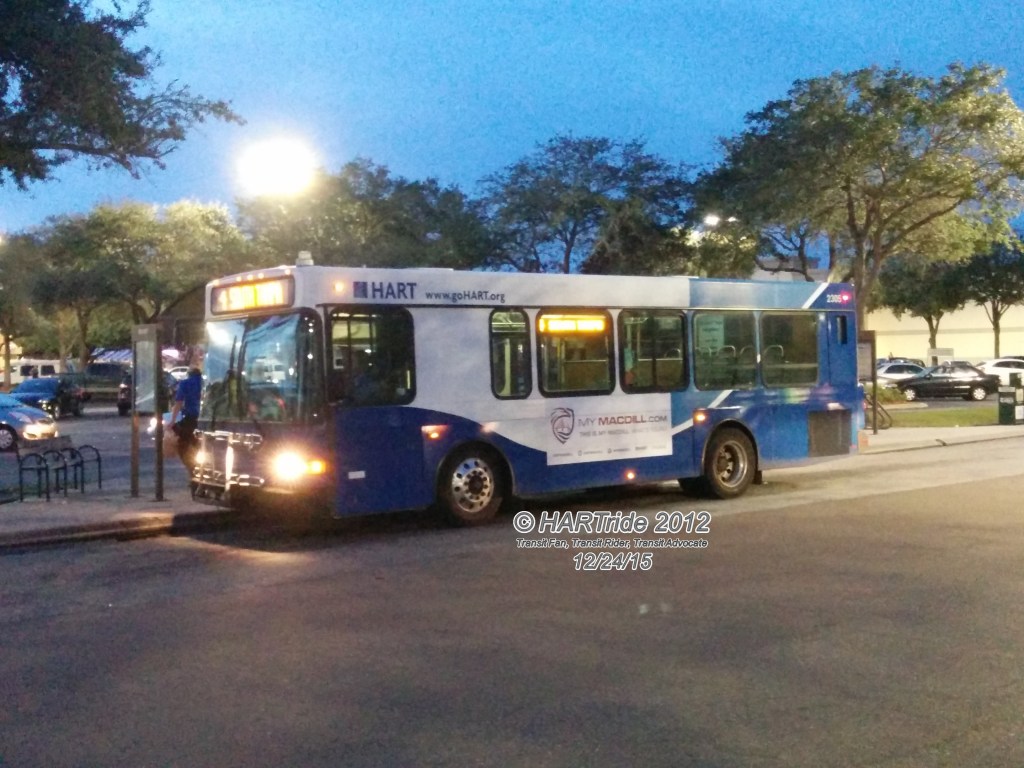


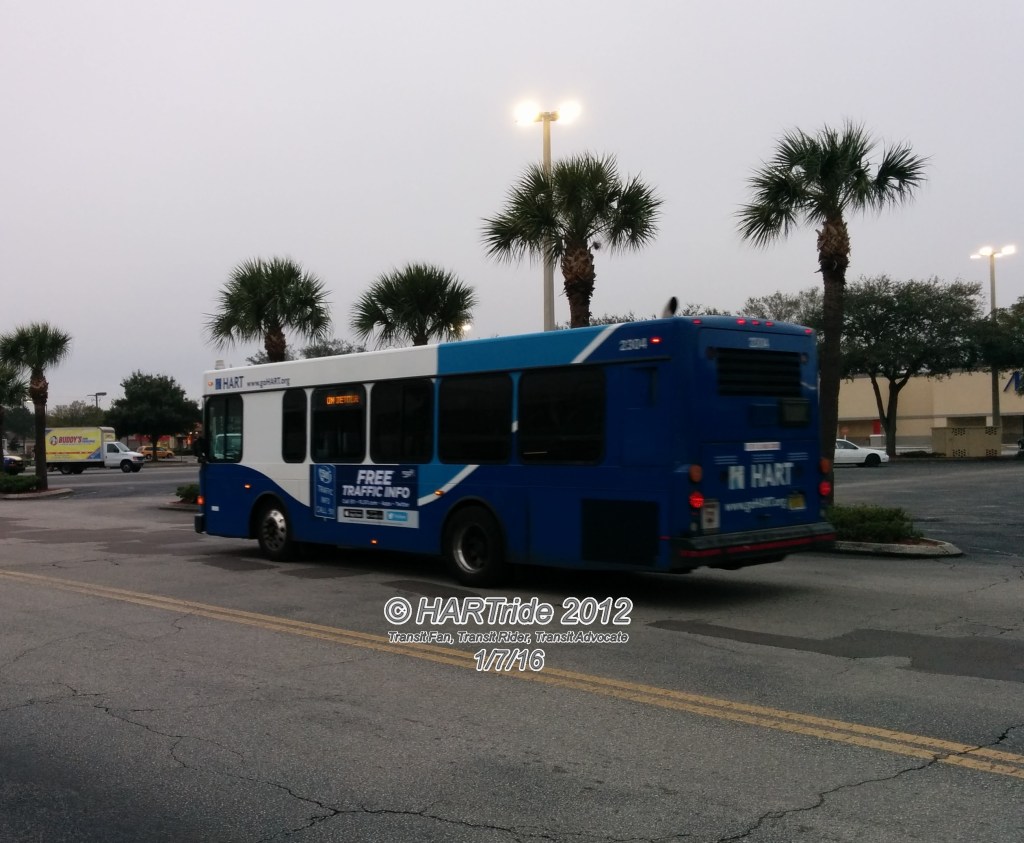


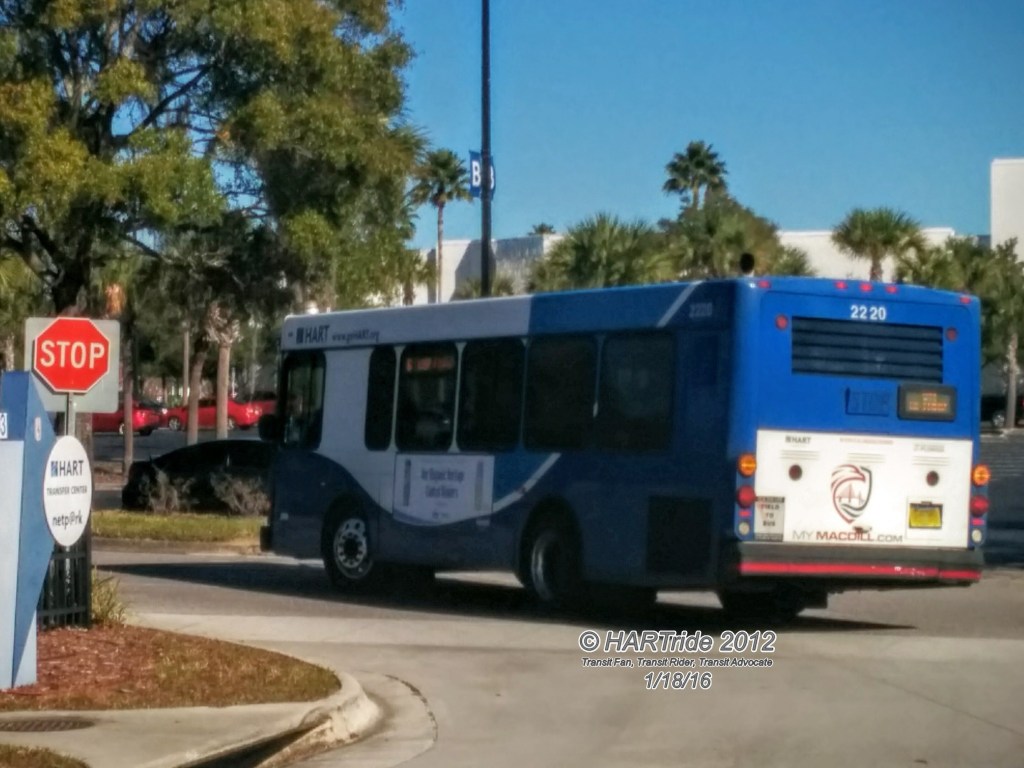
After retirement from HART, #’s 2226, 2227, & 2228 spent several years at Hernando THEbus as #’s 411, 412, & 413 respectively.
YouTube Video of #2218 in South Tampa – By HARTride 2012 – September, 2008.
2003 40′ Gillig Low Floor
Retired as of 2018
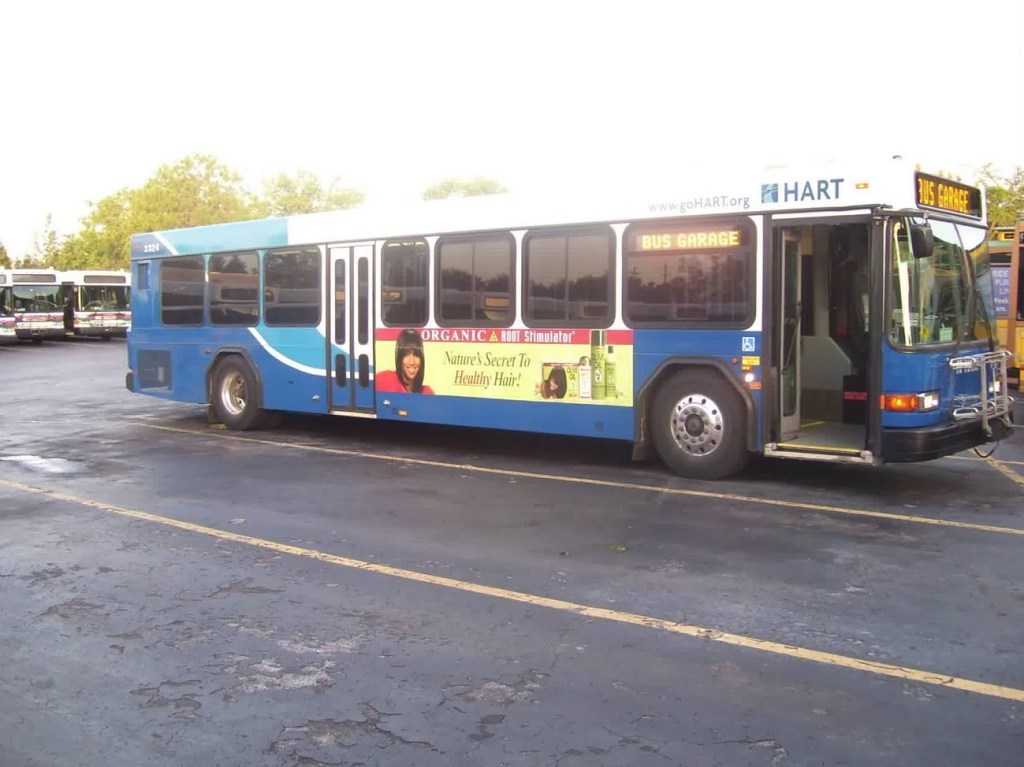
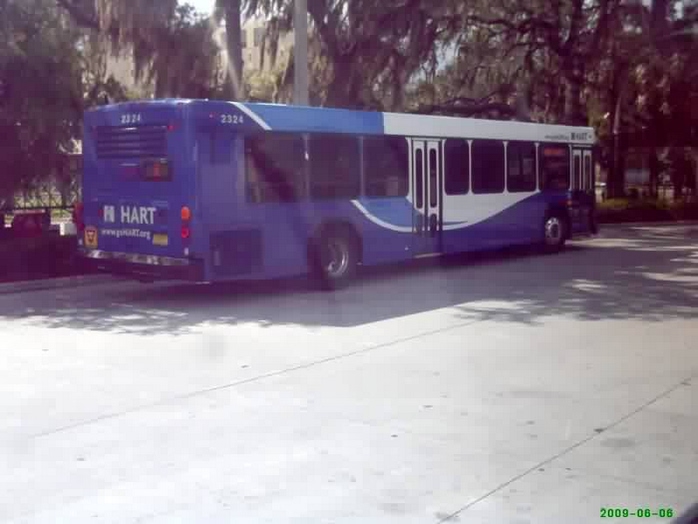
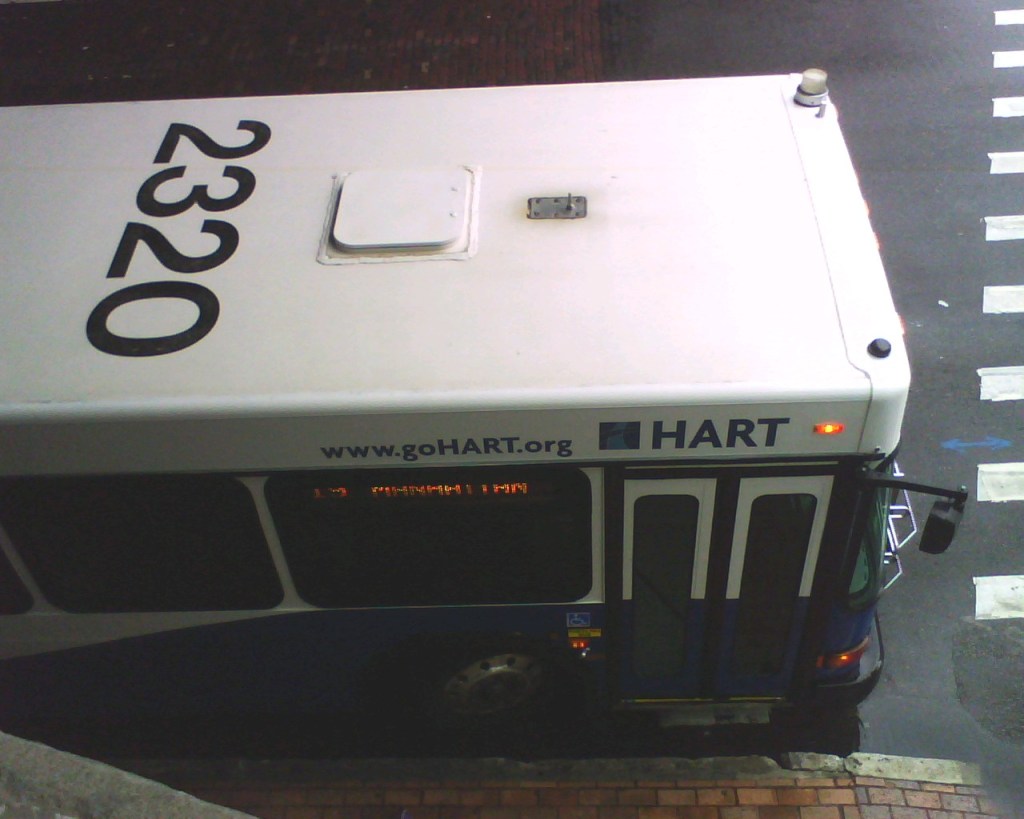
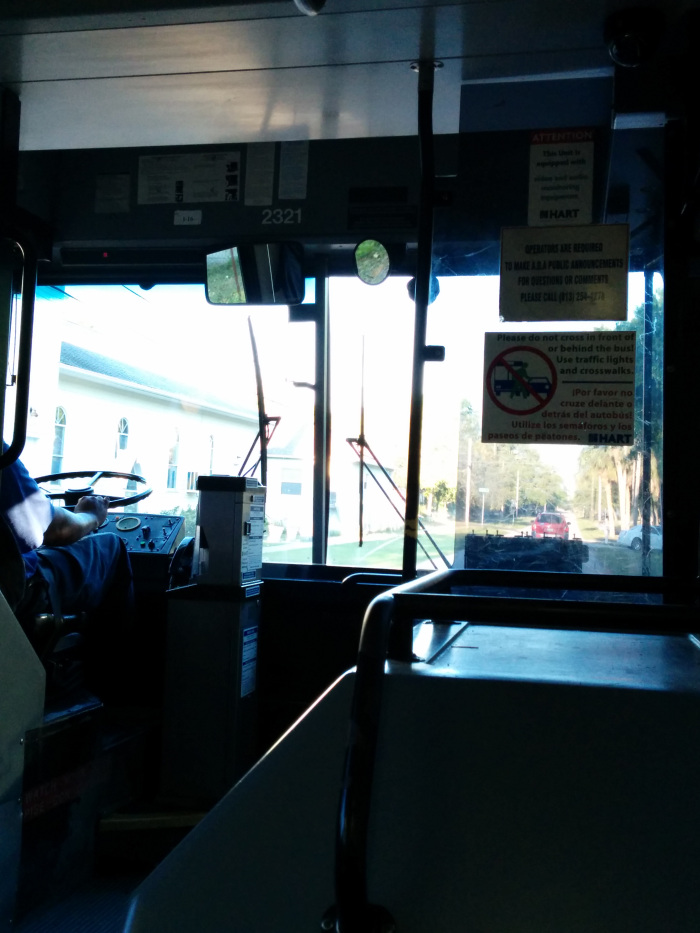
Completing the split-order of 2003-series buses are the thirteen 40′ Gillig Low Floors. These buses have the same style seats and window configuration of their shorter siblings.




2004 40′ Gillig Low Floors
Retired as of 2019
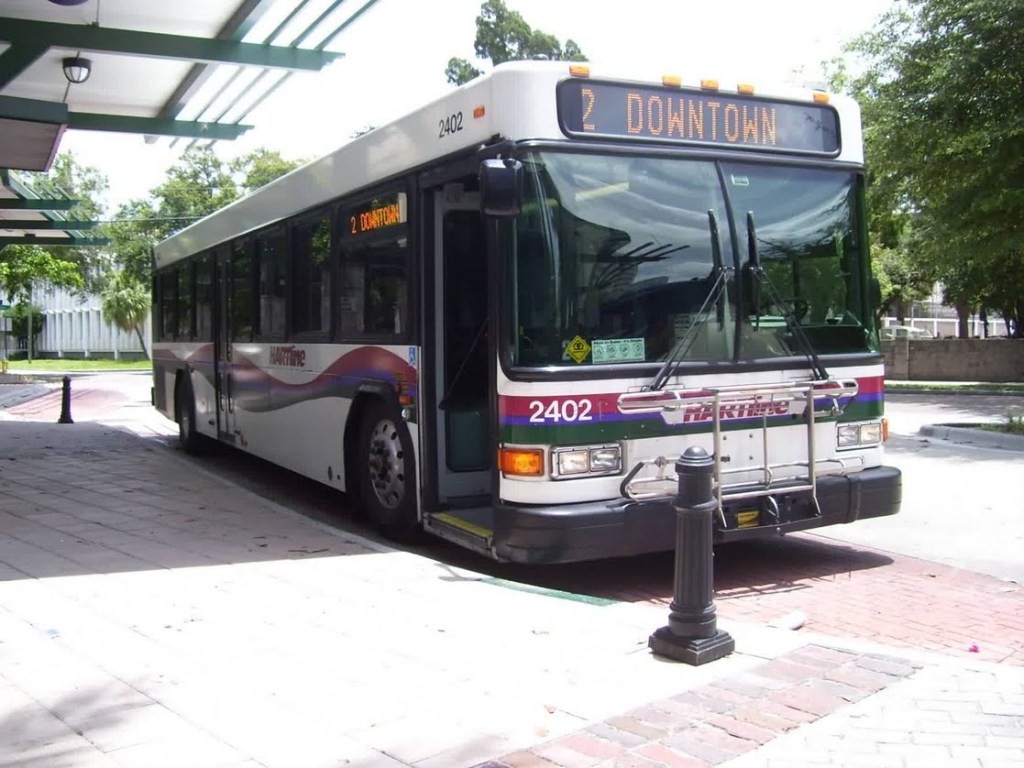
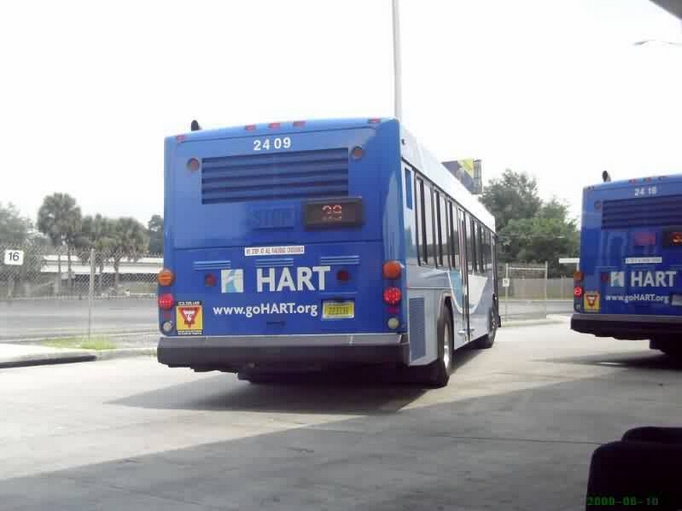
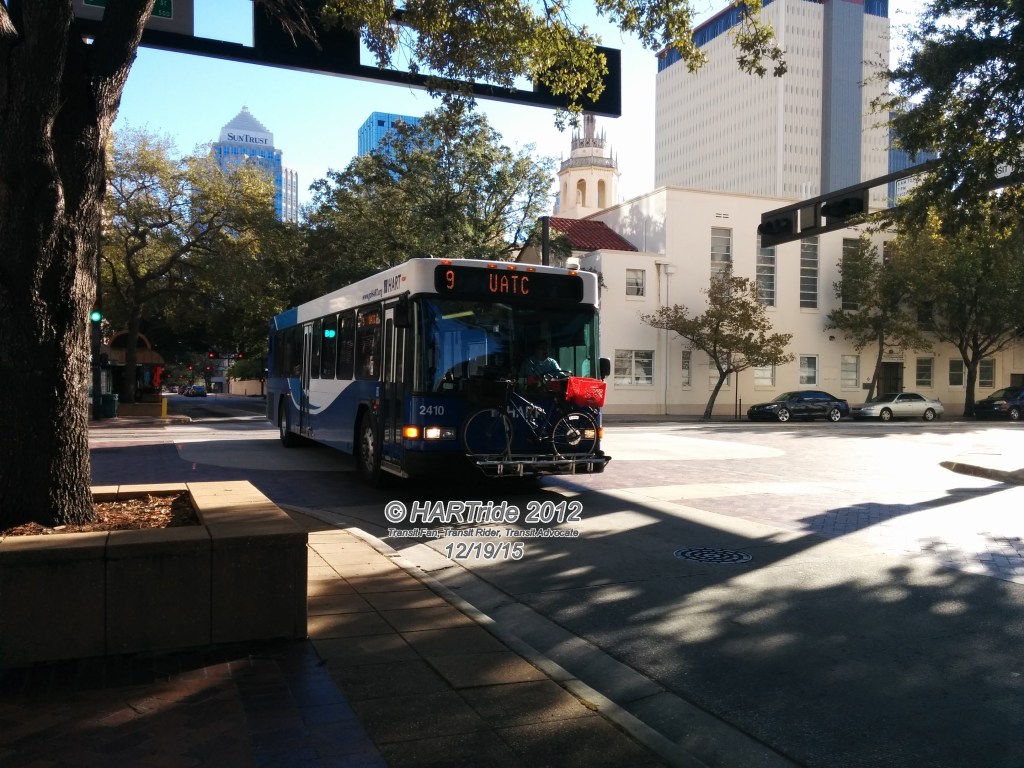
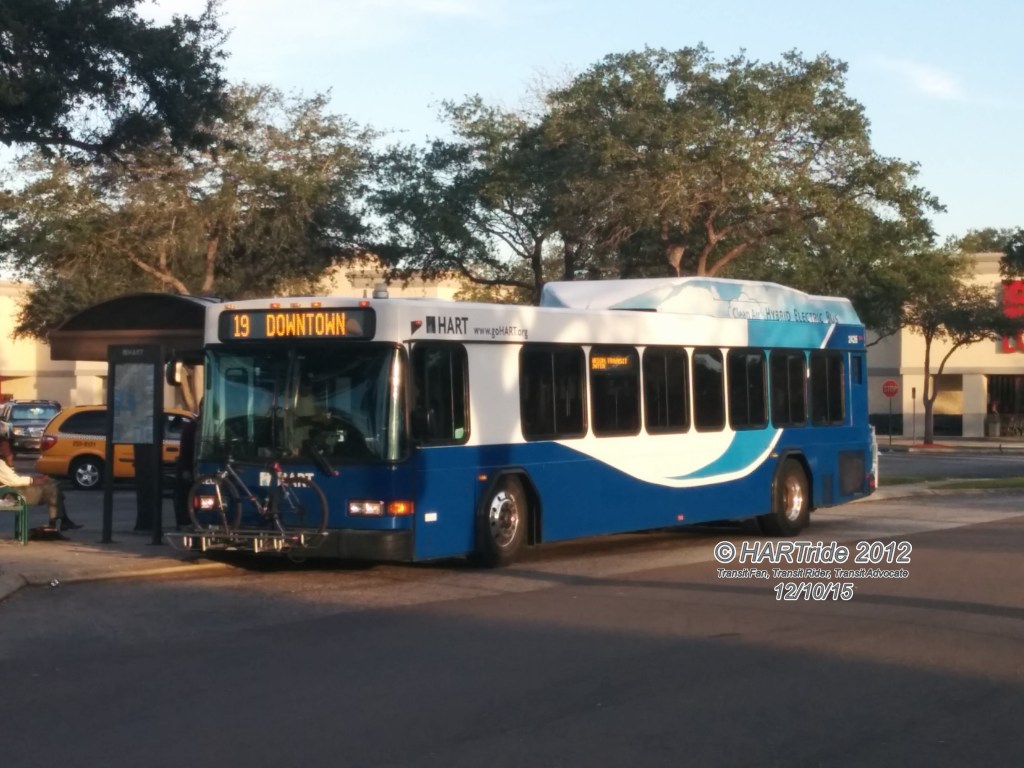
In 2004, HART ordered a batch of seventeen 40′ Gillig Low Floor diesel buses & three 40′ hybrid buses. They have the same interior seating arrangement and style seats as the 2003-series 40′ vehicles, but the windows are similar to that of the 2002-series vehicles.
The order was oddly split for whatever reason, with the initial diesel batch numbered 2401 through 2412 & the second diesel batch numbered 2415 through 2419. The three hybrids were numbered 2425, 2426, & 2427 respectively. Information regarding the hybrids can be found on the Alternative Fueled Vehicles page, as they were the only hybrids that HART ever ordered.






YouTube Video of #2402 in South Tampa – By HARTride 2012 – May, 2008
This video was taken in May, 2008, just as HART was installing automated annunciator and LED signage systems inside all buses. The automated voice towards the end of the video (just after the stop bell is rung) was a prototype, computer-generated “Stop Requested” voice that was read in English and Spanish. Today, HART uses human voices for these announcements, and as of May, 2014, has brought back the Spanish “Stop Requested” message, though in a human voice. Other automated announcements are made on board all buses at various times.
Many districts use their own staff members to record such announcements, while others have used professional voice actors or other on-air talent. I’m currently planning a blog post that will go more in-depth into this subject. Sometime in 2013, HART began a partnership with Commuter Advertising to play audio advertisements over the bus annunciator system during various times of the day.
Here’s a quick glance at the hybrids. Aside from receiving the standard HART rebranded livery in 2010, the hybrid cover wraps were never changed.




2005 40′ Gillig BRT
Retired as of 2020
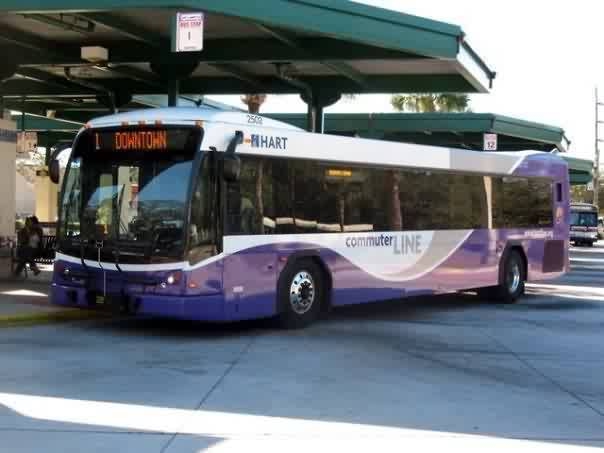
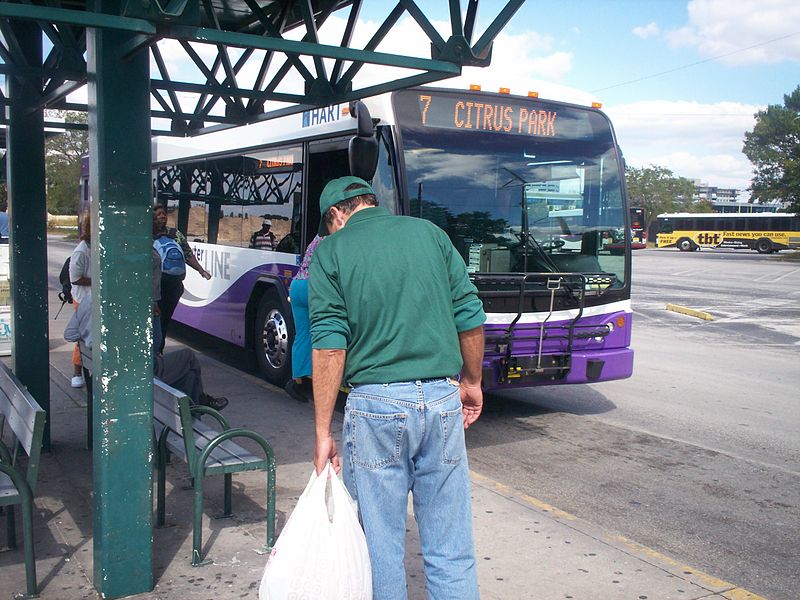
2005 would begin the second rebranding of HART, allowing the agency to ditch the 90s-era HARTline ribbons. The agency introduced a redesigned express route network, dubbed the Commuter Express, along with twelve sleek BRT style low floor buses. Gillig introduced the BRT style bus the same year to provide an option for transit agencies who wanted to start or continue their relationship with the company, but also wanted a sleeker looking transit bus.
As with the initial Gillig BRT design, #’s 2501 through 2512 featured a single-piece windshield, “frameless” side windows, & curved front & rear ends. The buses also introduced the current livery design – but in a purple/gray/white scheme, which led me to nickname them the Purple People Eaters. In addition, these were the first HART buses to be equipped with an Allison transmission, rather than a Voith transmission of the older low floors. Many operators have told me that these buses were a pleasure to drive!
The buses were repainted to the current two-toned blue/white scheme in 2010.

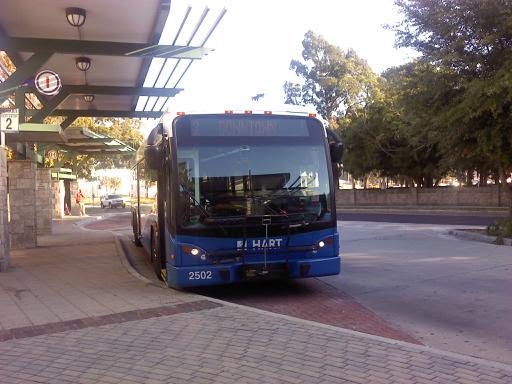




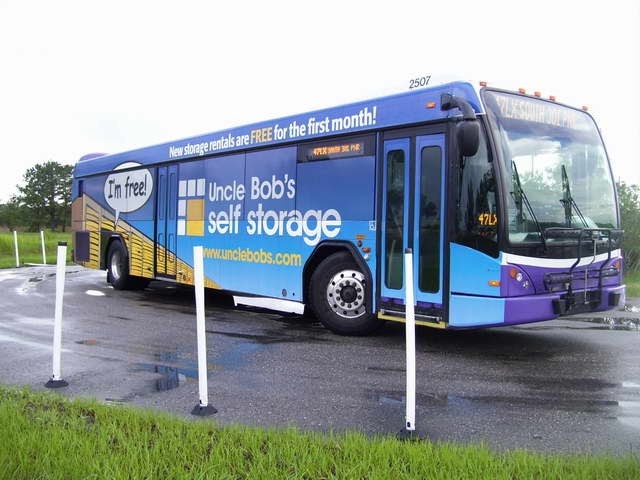
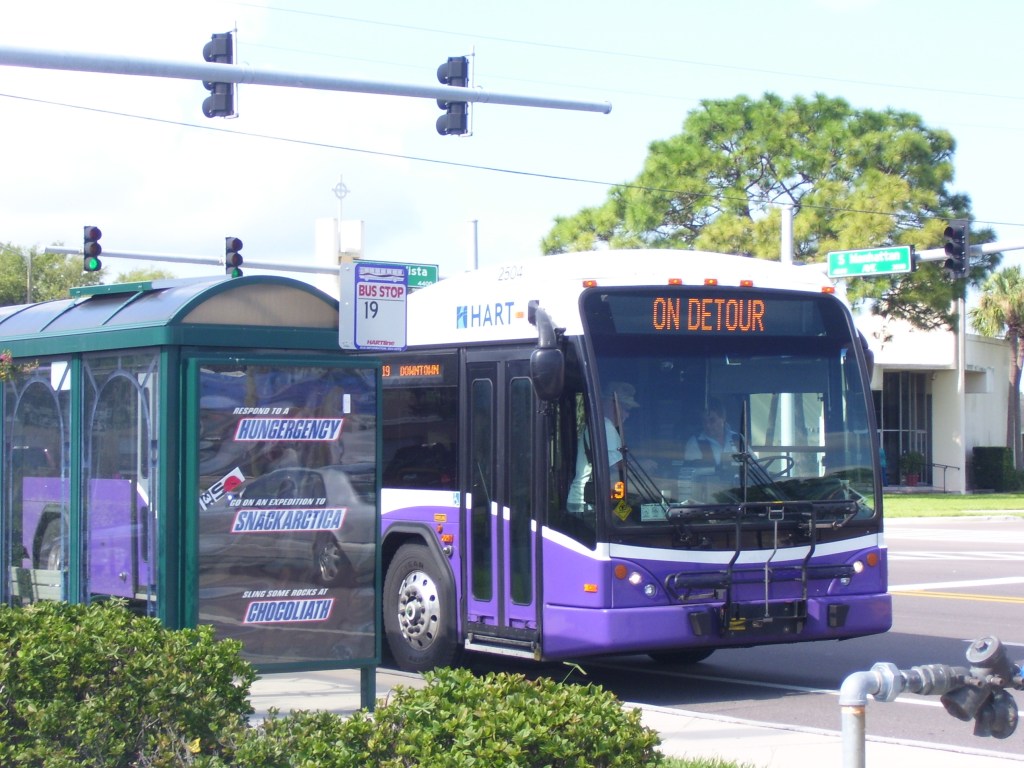

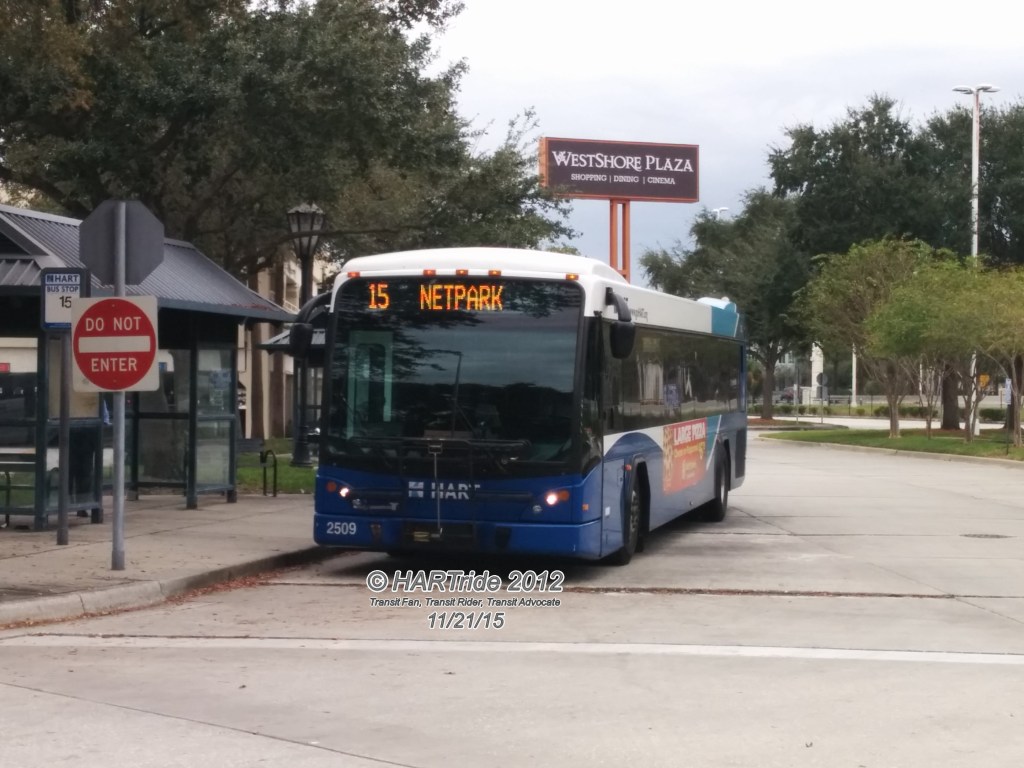
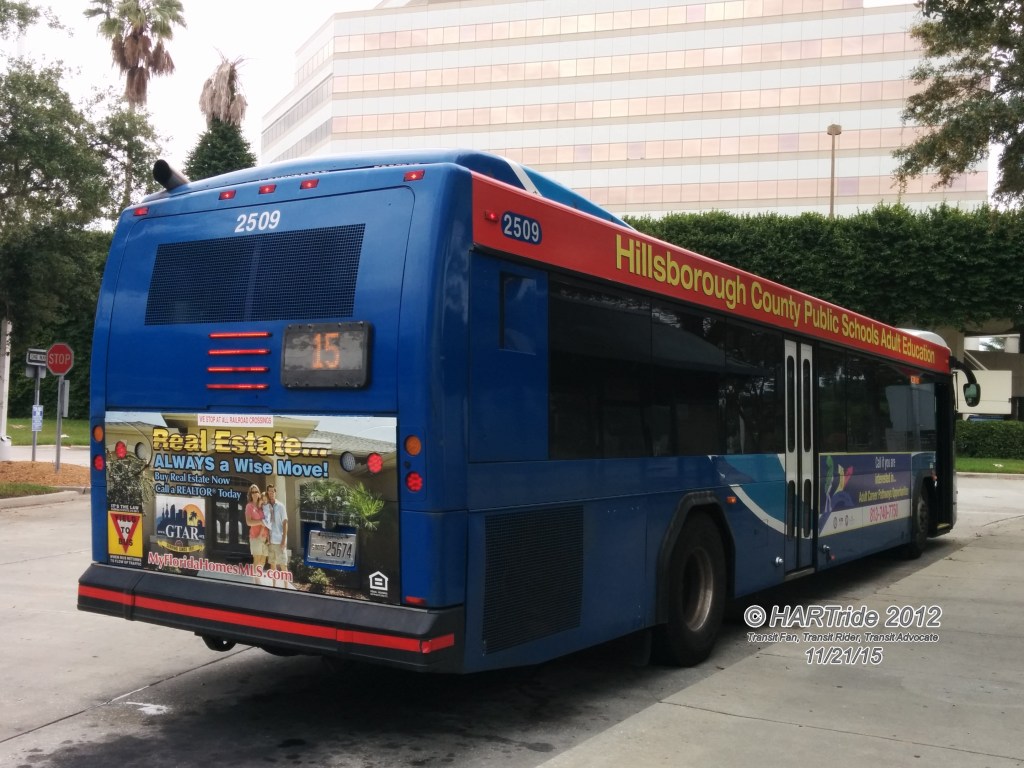

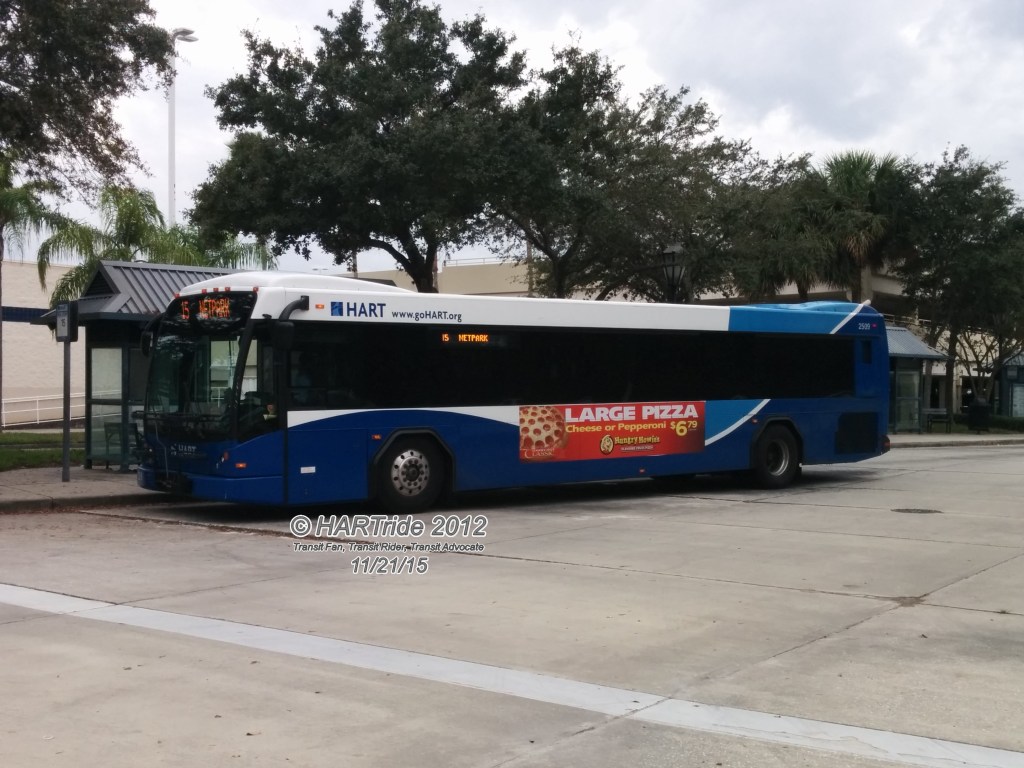

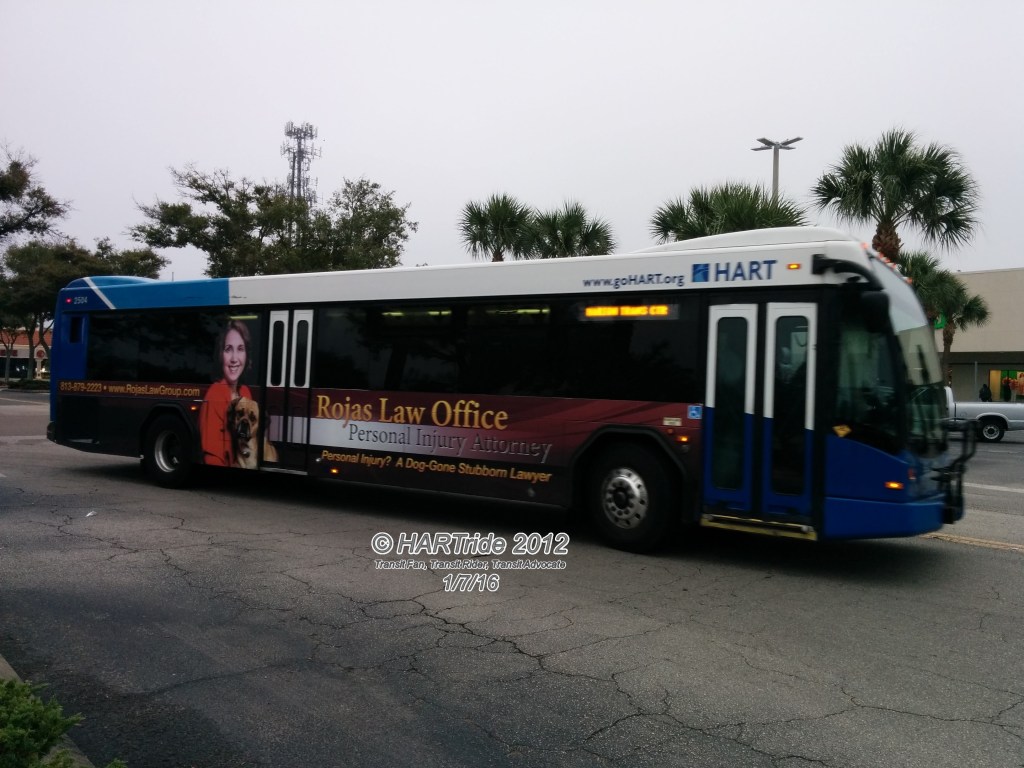

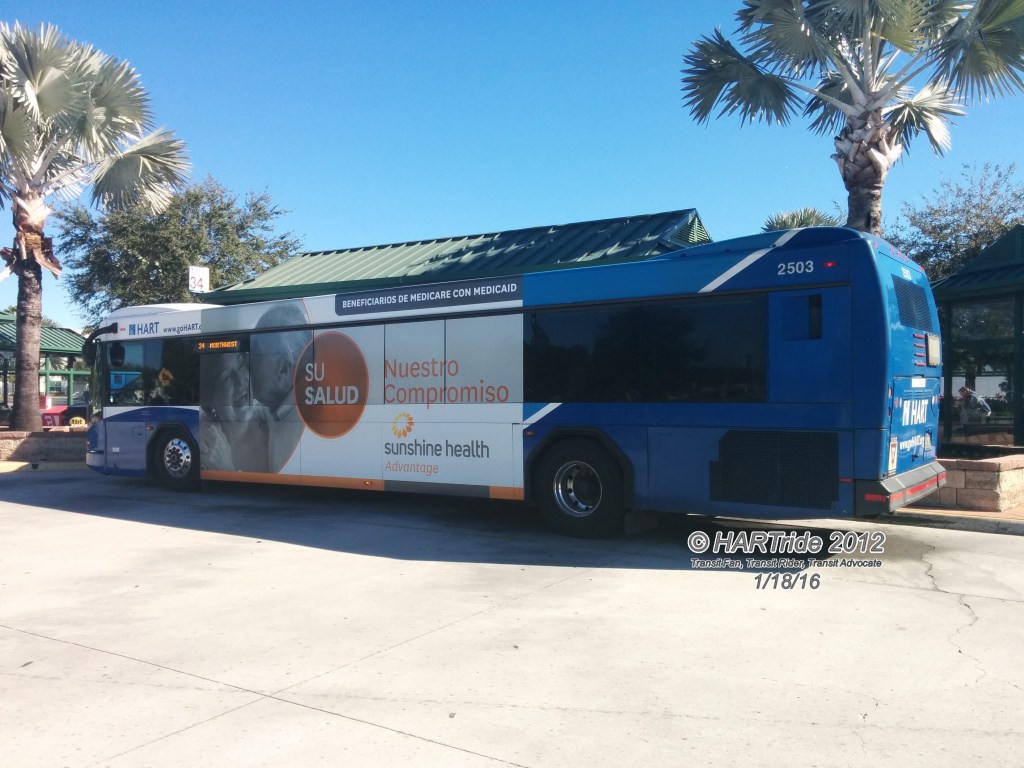


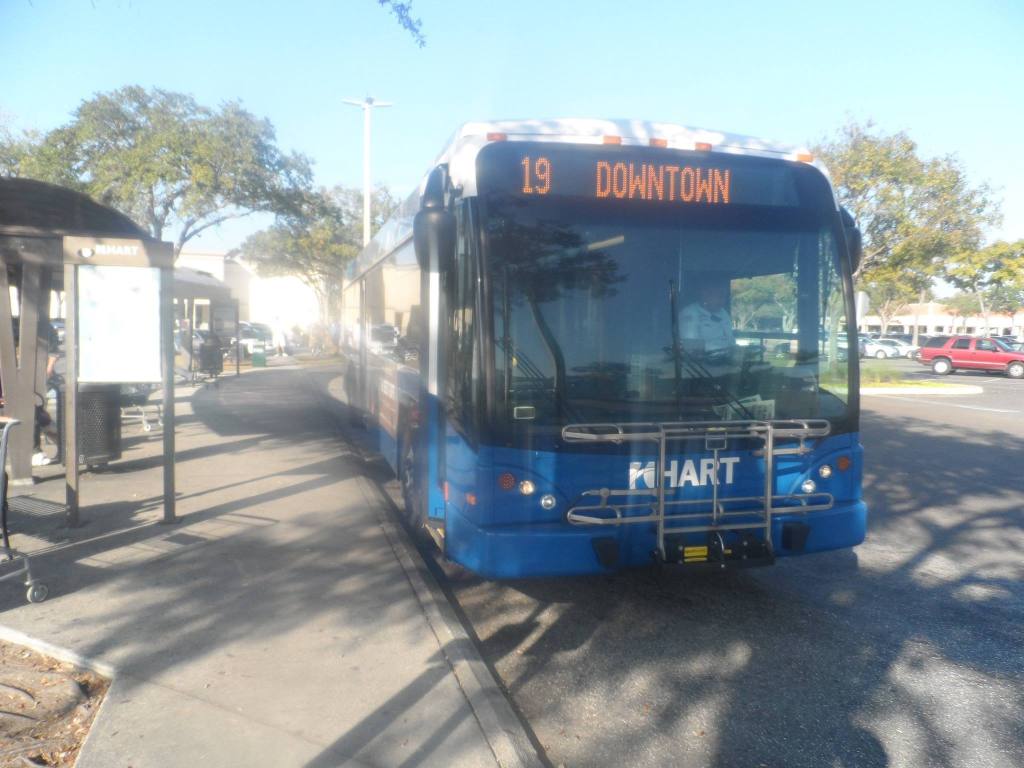
Vehicle # 2502 suffered significant front-end damage in 07/15/2013 following an accident where it collided with a sedan, then struck a concrete sign as the operator attempted to negotiate a left turn from 56th St to enter the NetP@rk Transfer Center. The bus returned to service nearly two years later after being rebuilt.
Upon its retirement from HART, # 2508 was donated to Hillsborough Community College for its firefighting program.
2006 40′ Gillig Low Floor
Retired as of 2021
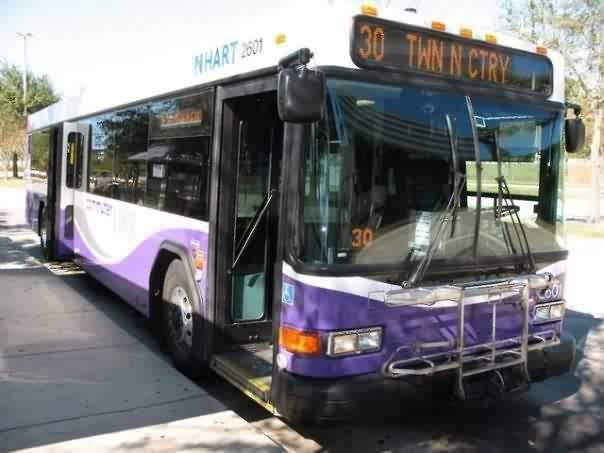
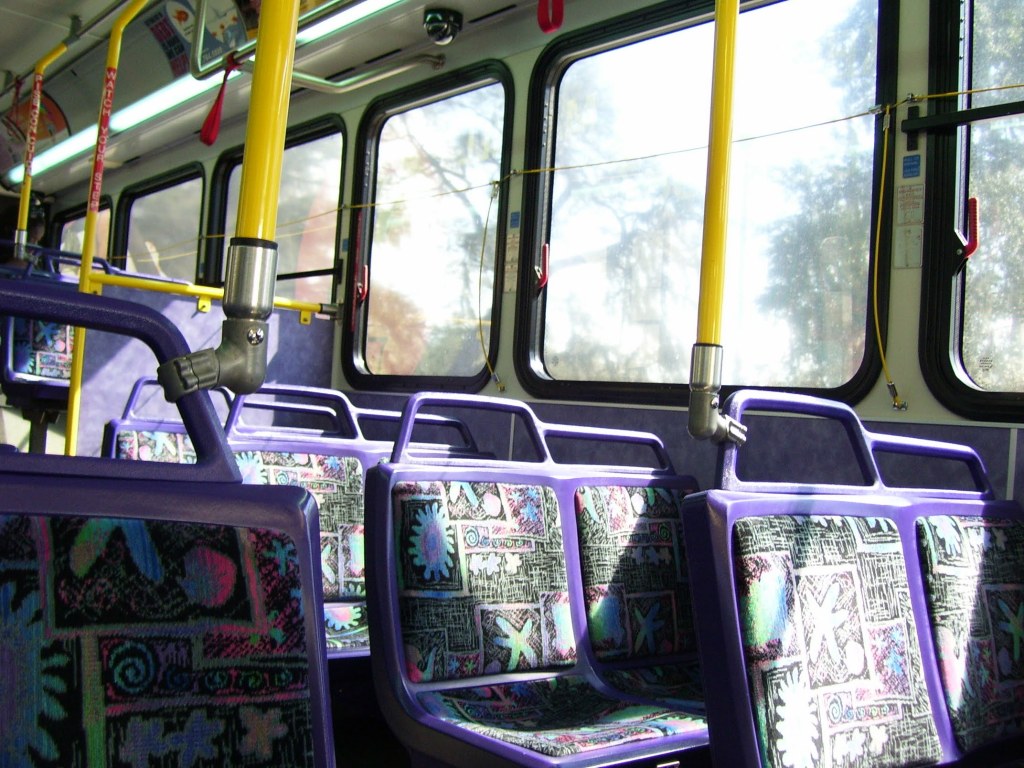
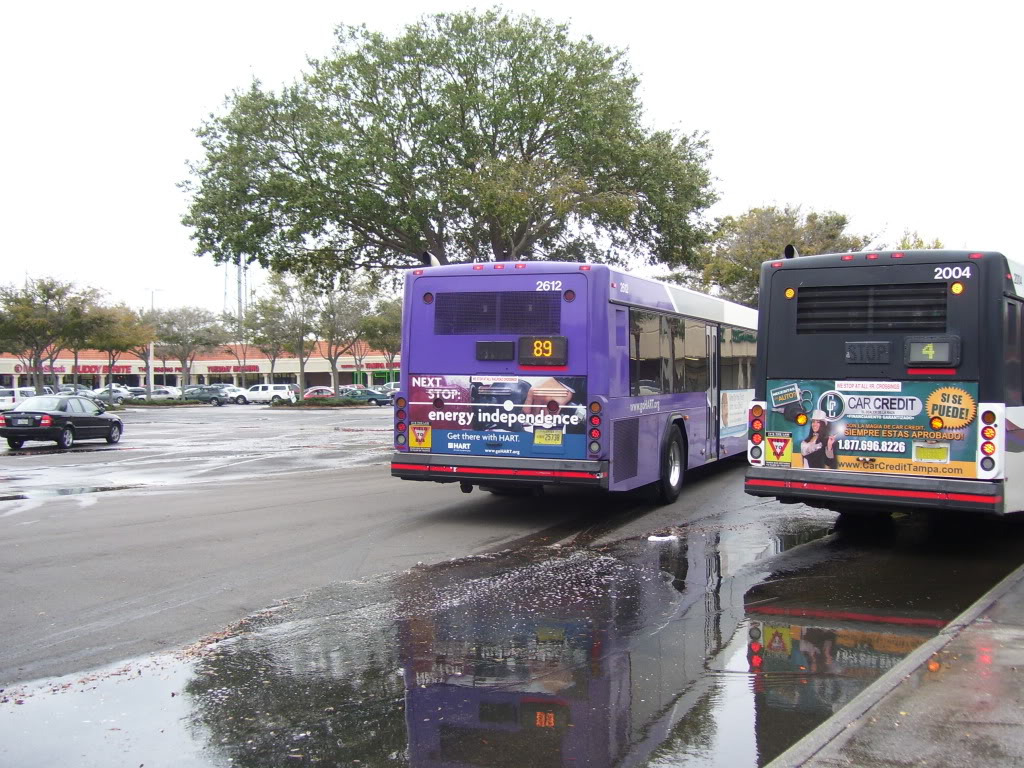
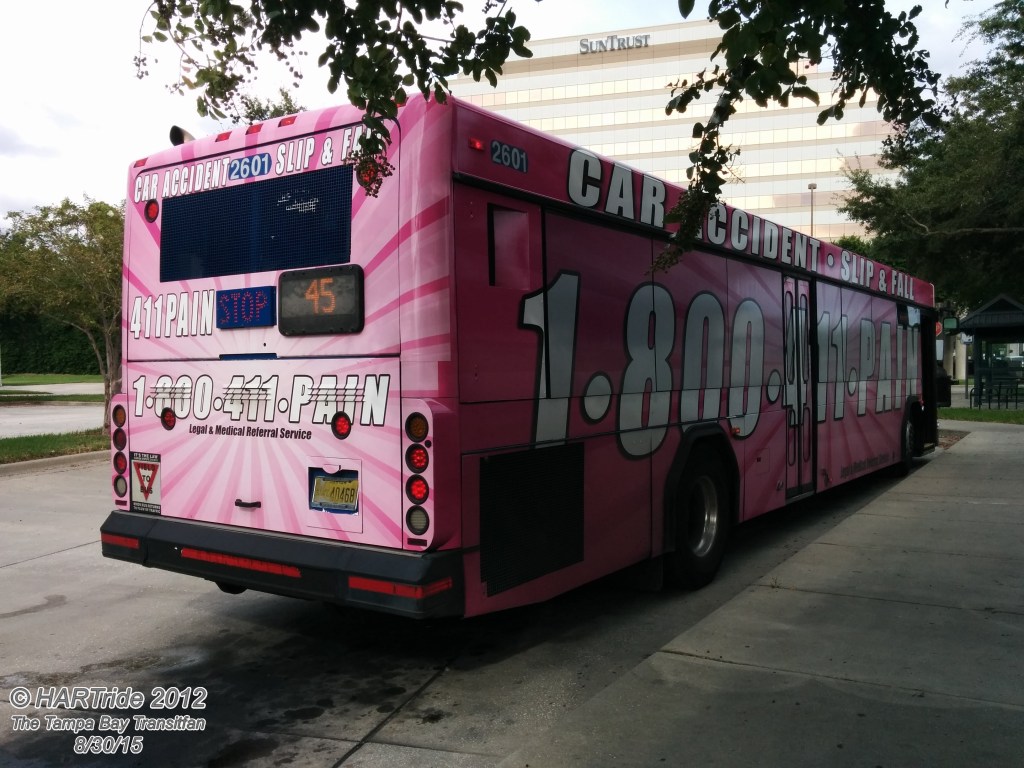
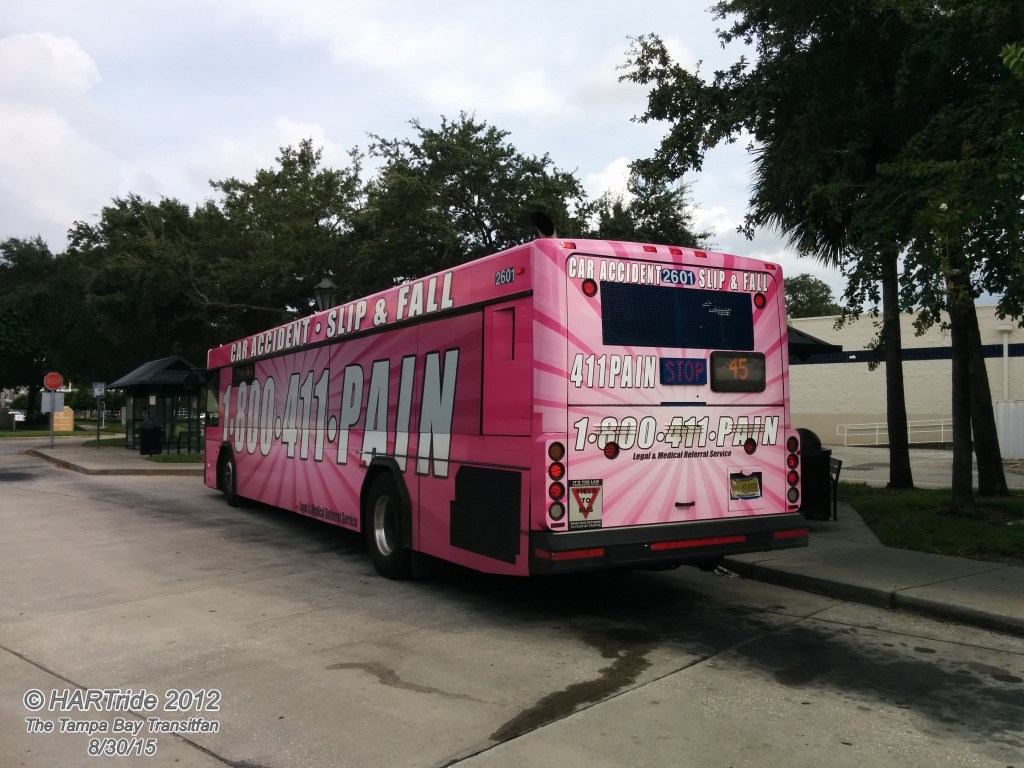
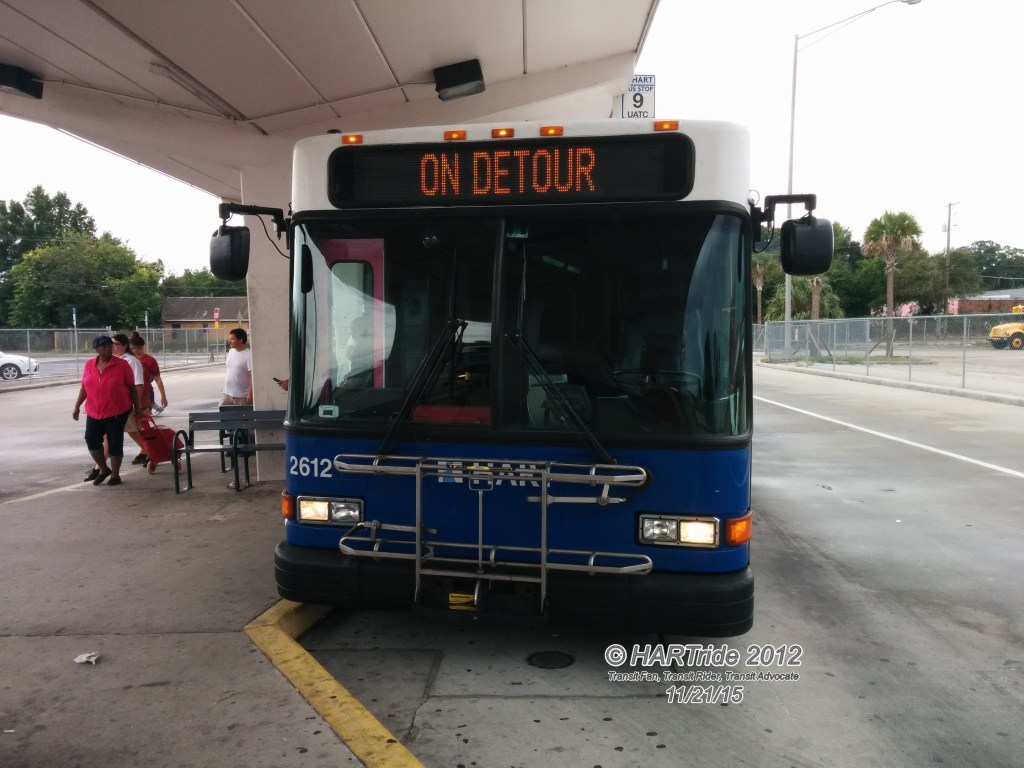
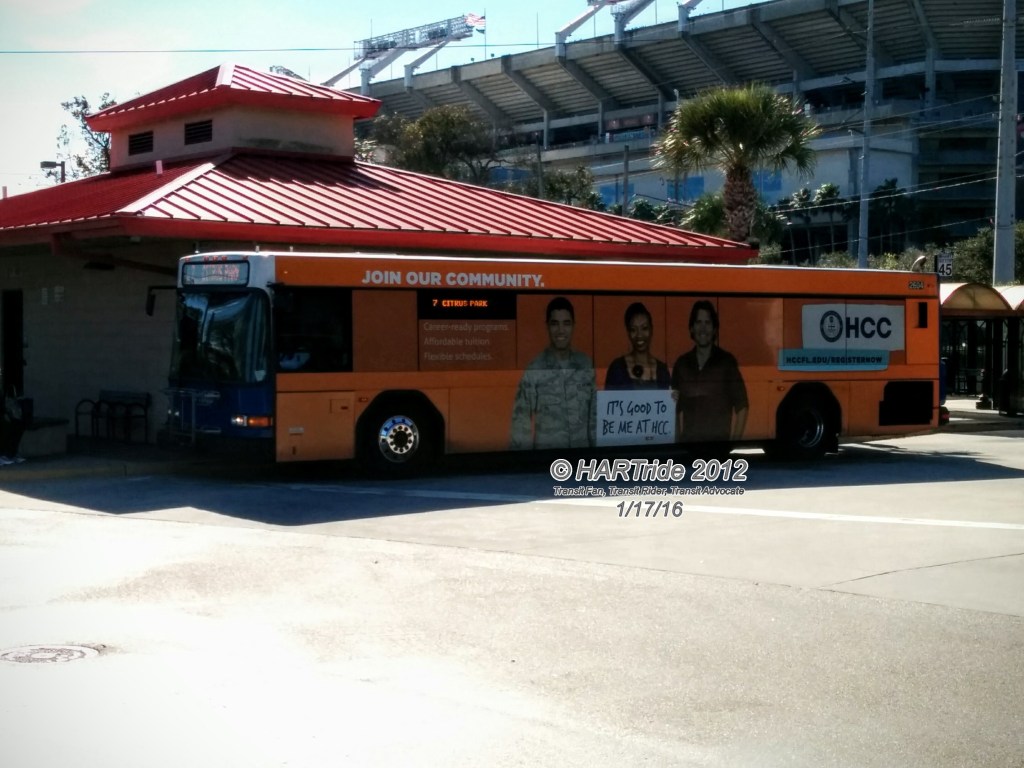
Twelve 2006-series standard 40′ Gillig Low Floor buses were ordered to compliment the 2005-series Gillig BRT buses. Numbered 2601 through 2612, these vehicles donned matching livery schemes & a very similar seating arrangement to that of their 2005 counterparts. All vehicles were repainted into the current two-toned blue/white livery scheme in 2010.











YouTube Video of #2610 in South Tampa – By HARTride 2012 – September, 2009.
2007 29′ Gillig Low Floor Replica Trolley
Retired as of 2021

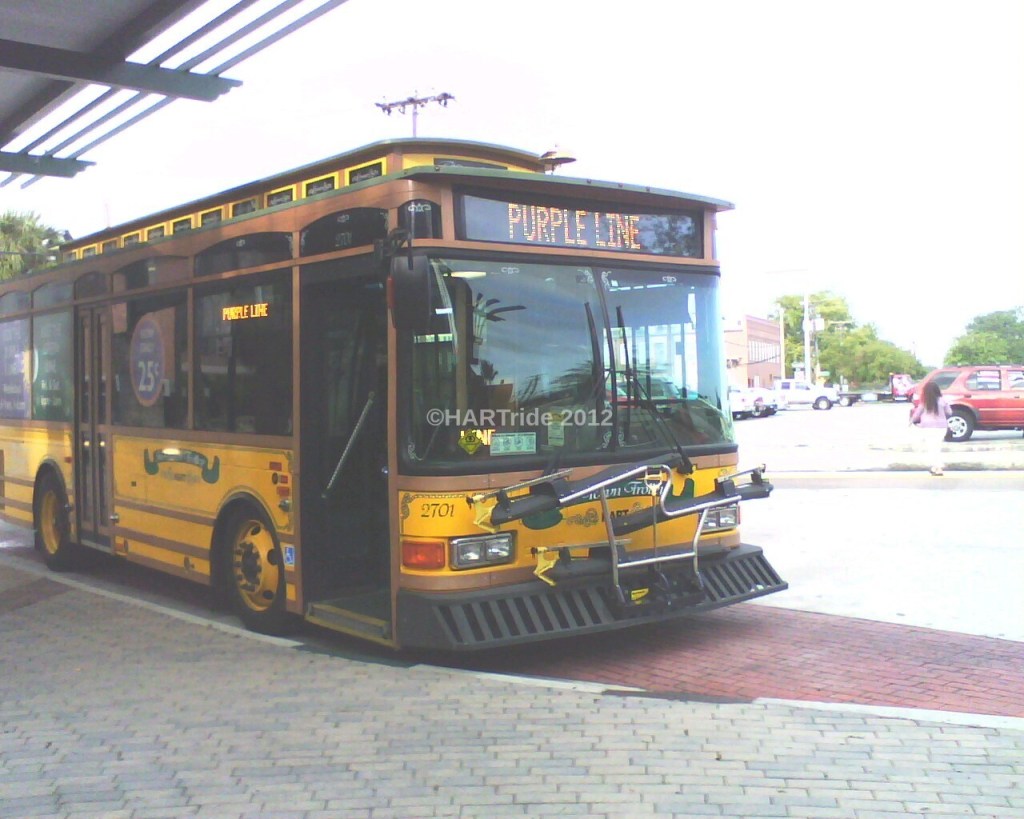
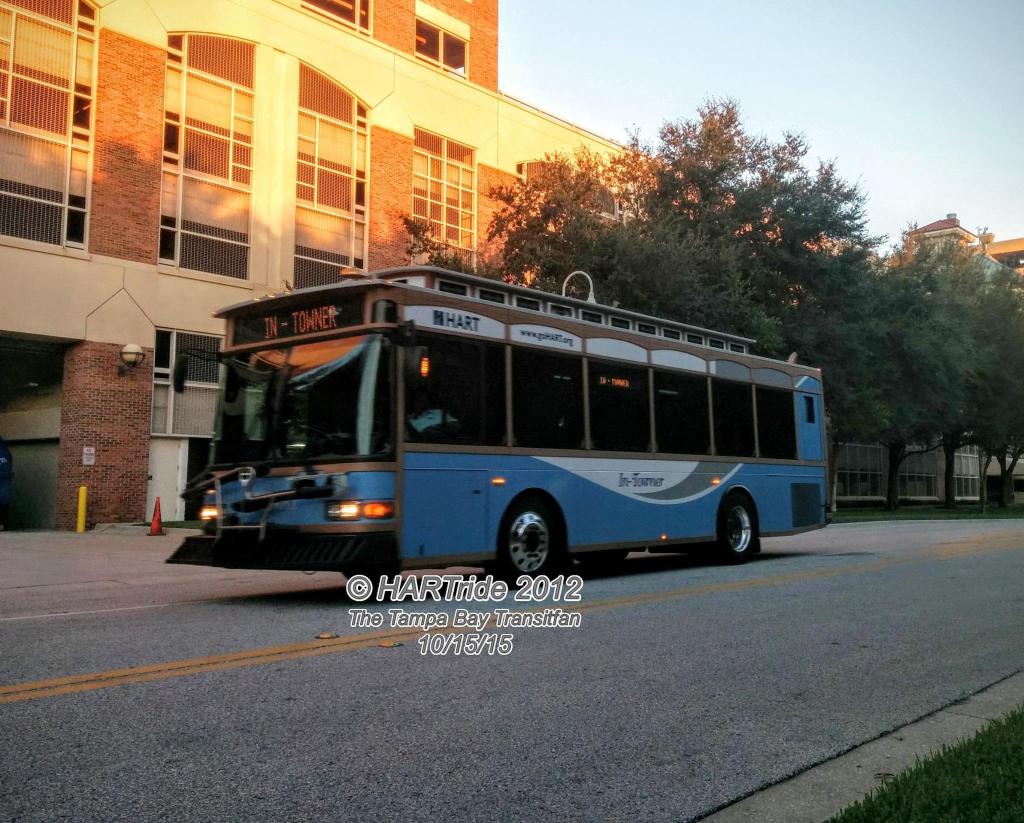
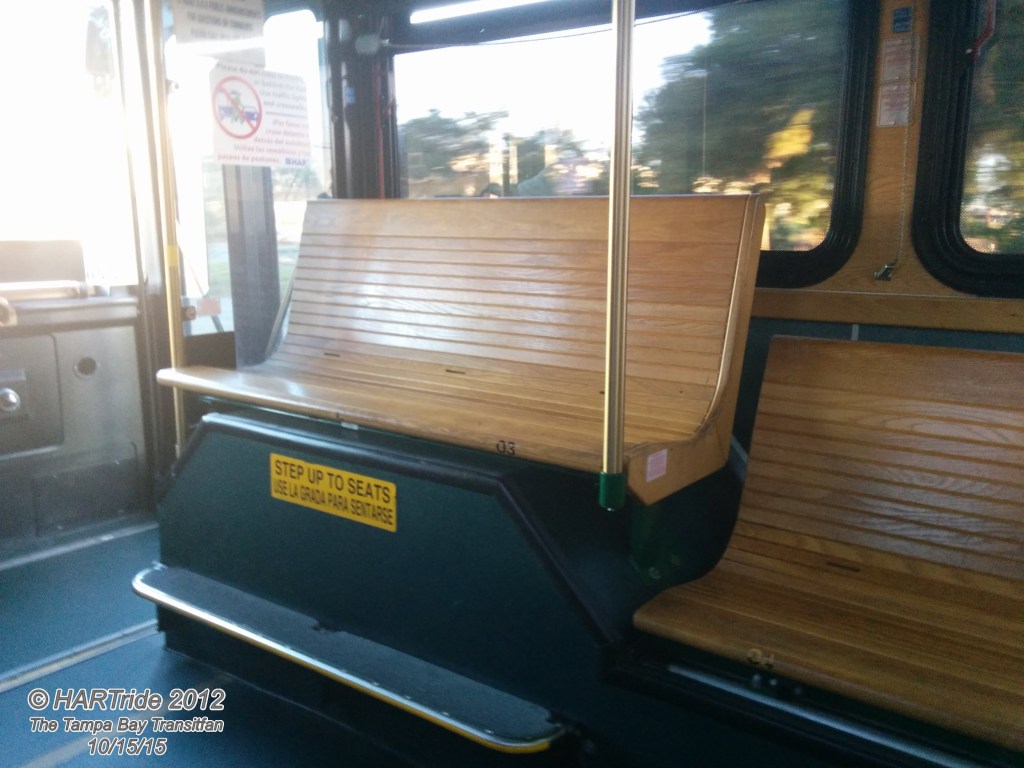
HART placed an order for five Gillig Low Floor diesel replica trolleybuses in 2006 to replace the Optima American Heritage Trolley vehicles. Numbered 2701 through 2705, each vehicle was equipped with wood bench seats & an old-style trolley-like interior. The exterior incorporates weatherproof, wood-looking trim and decals, along with a cosmetic cupola and a brass bell to convey the traditional trolley appearance. The interior includes solid oak seating, similar to a traditional streetcar. Yes, the bell even works!
I’m not sure if the trolleybus order originally called for more vehicles to be purchased. The reason being is by the time these Gillig buses began to hit the road, ridership along the In-Town Trolley routes had immensely declined. So much so, that the Hyde Park Line was eliminated and the current Downtown Line (formerly known as the Purple Line) has been cut to just weekday rush hours only. There was also a short-lived weekend line that was implemented not long after the elimination of the Hyde Park line, called the Green Line, which ran to downtown area hotels and the Channelside district.
As described earlier in this section, efforts to keep the downtown Tampa trolley services ultimately failed & HART eliminated the services in 2019. At one point, the agency considered selling the Gillig trolley replicas to PSTA, but wound up keeping them until 2021 to help maintain a healthy spare bus ratio.





2009 40′ Gillig Low Floor
Retired as of 2024
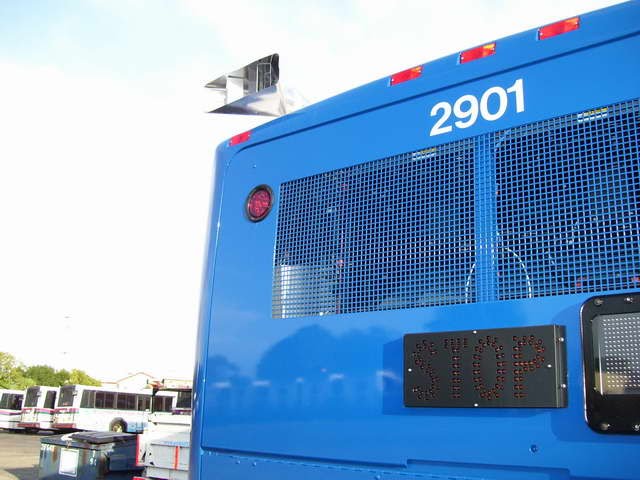
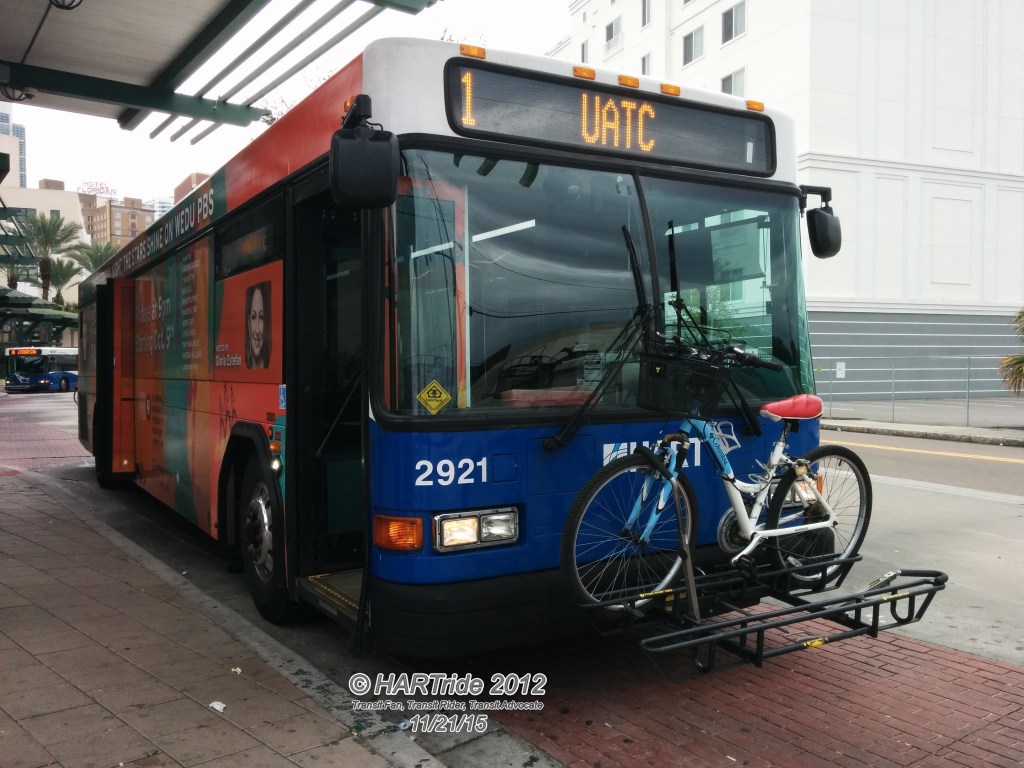
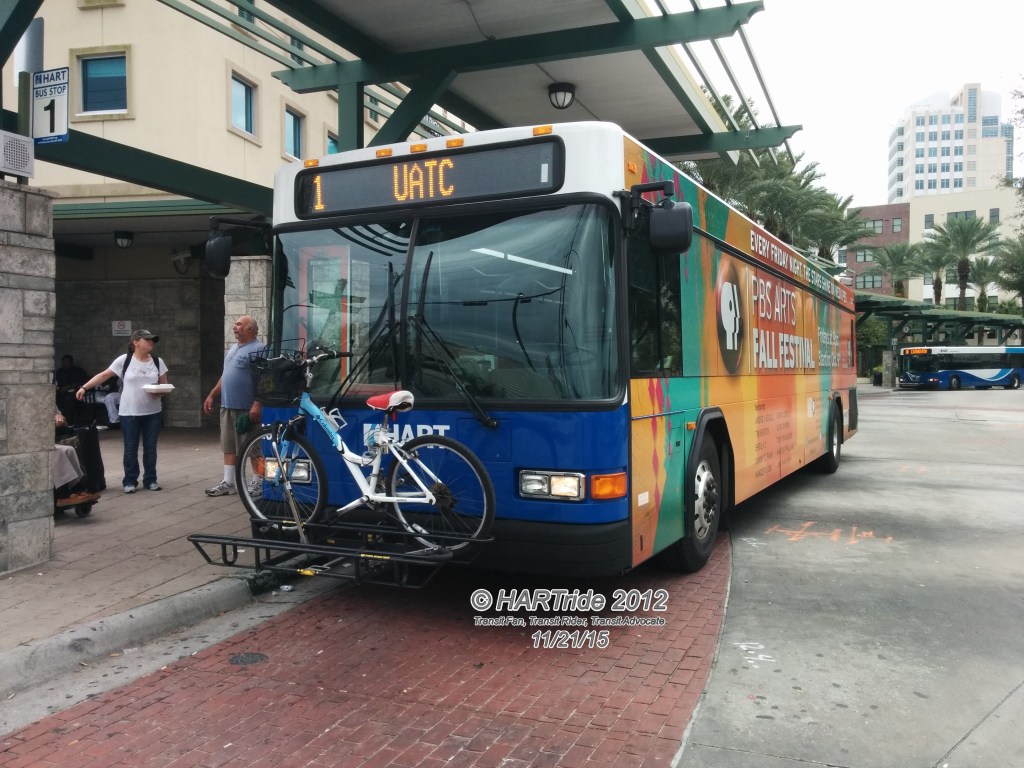
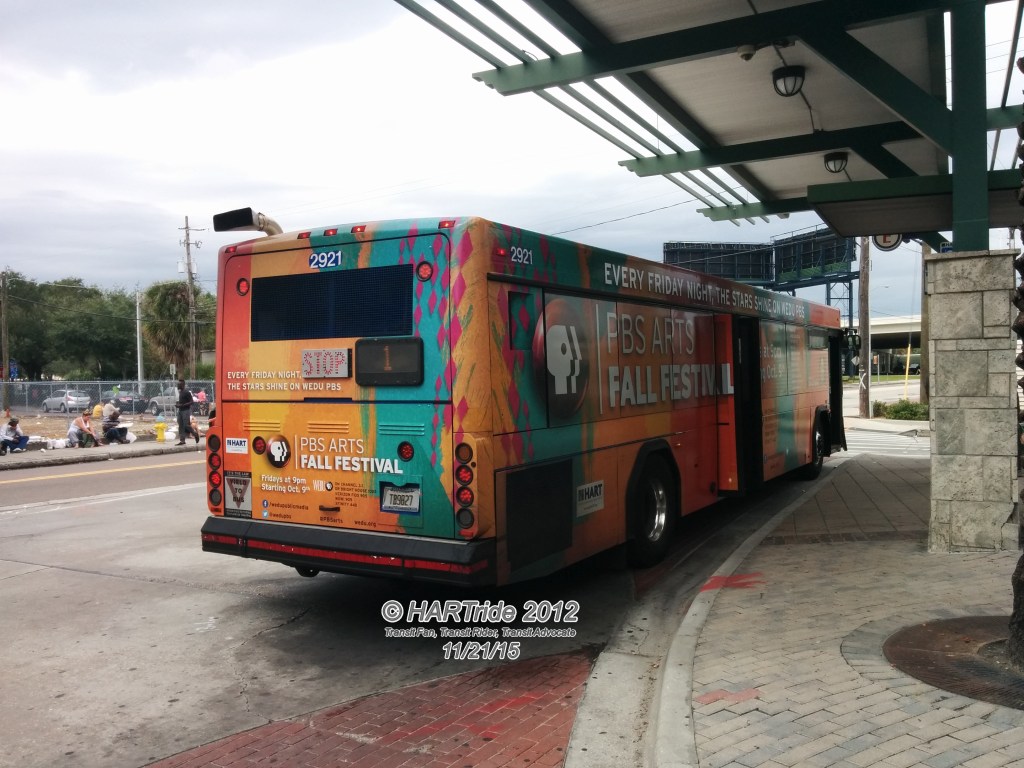
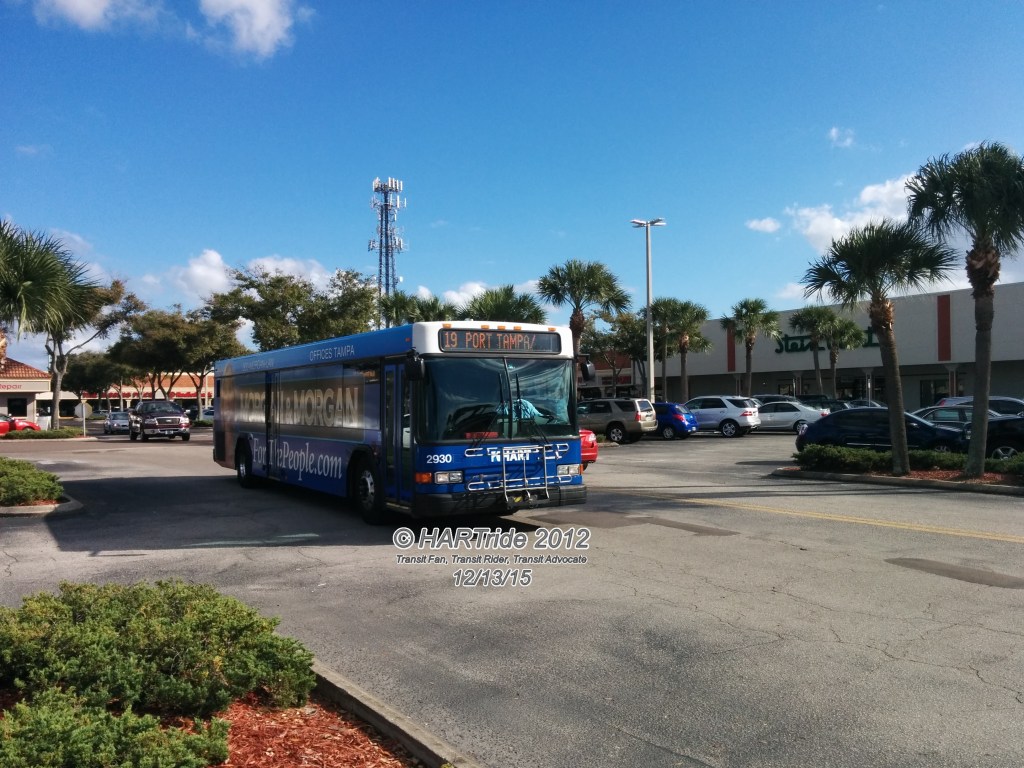
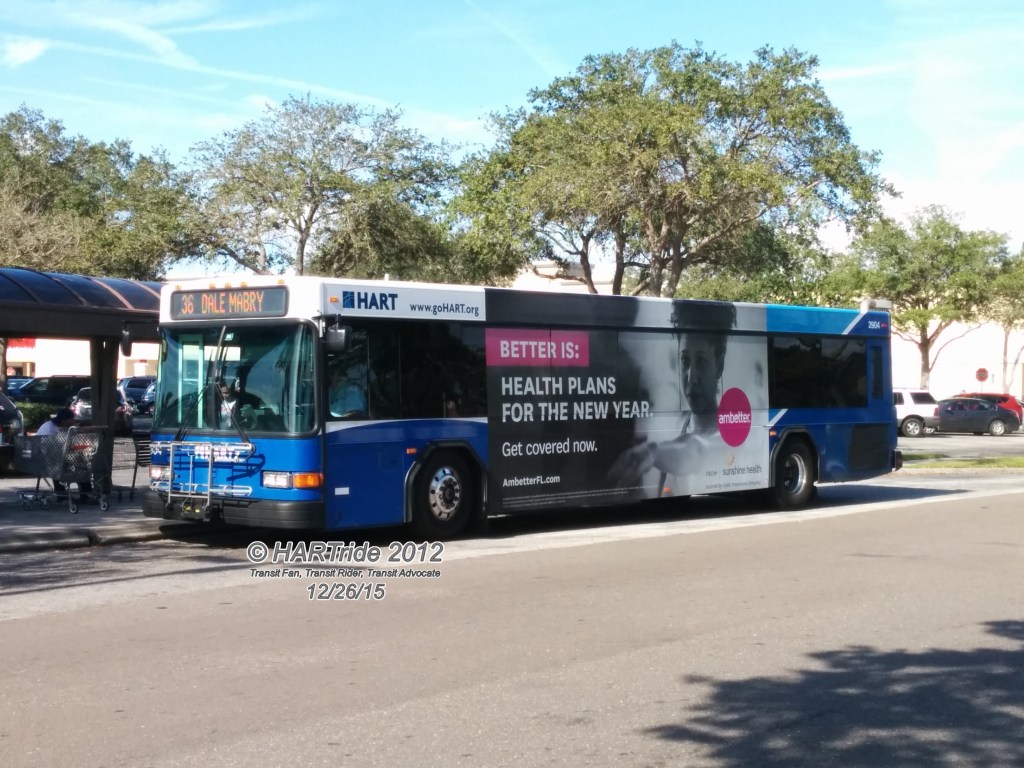
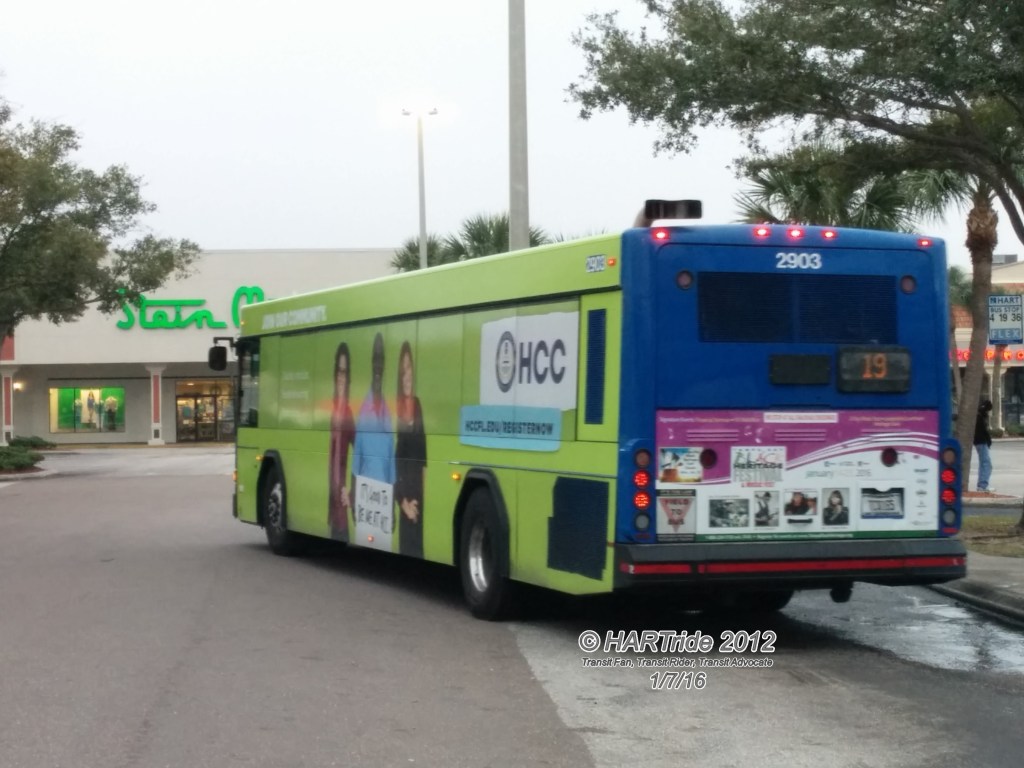
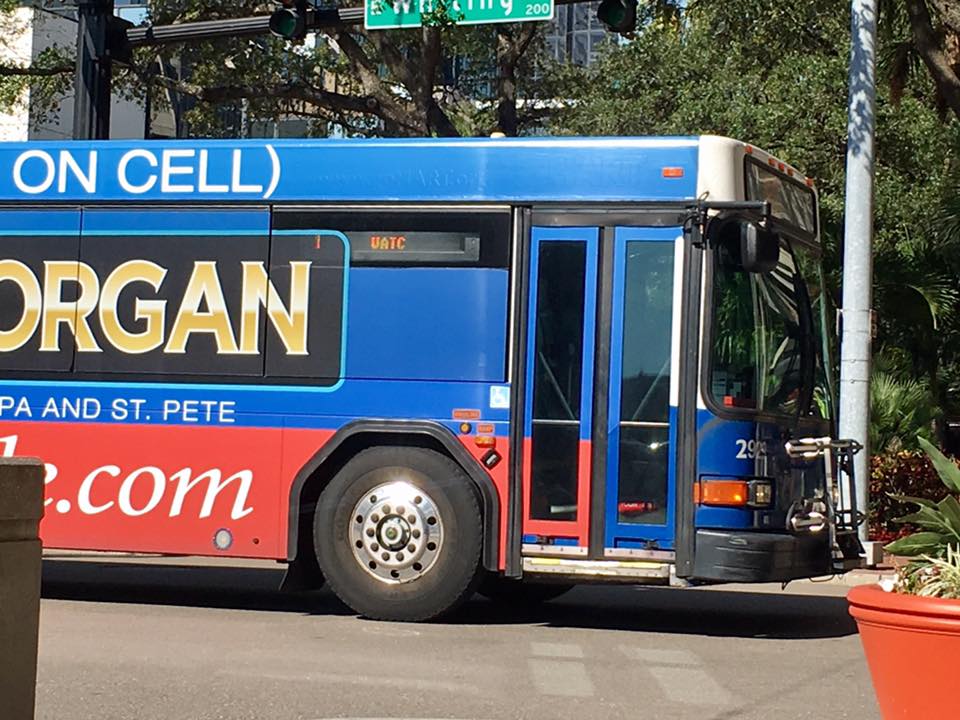
Numbered 2901 through 2930, the 2009-series 40′ Gillig Low Floor replaced all of the remaining 1996 & 1997 Gillig Phantoms, & were the first buses to incorporate HART’s current branding from the onset. I still remember riding on these buses when they were brand new & really enjoyed riding them throughout the years!


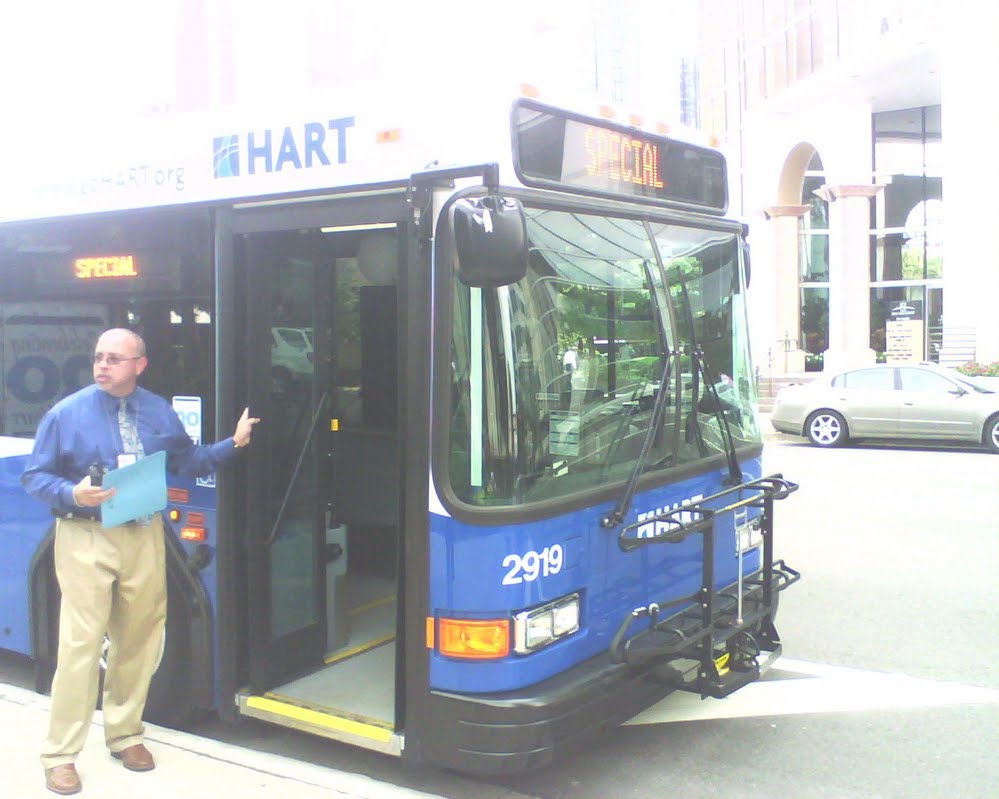


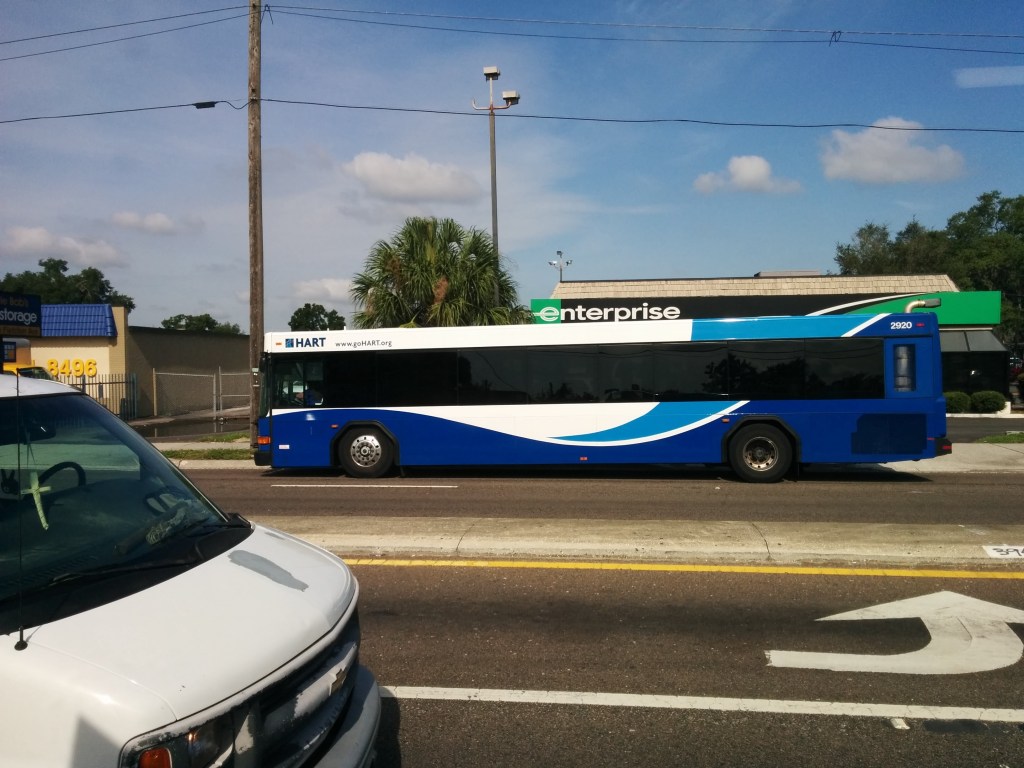

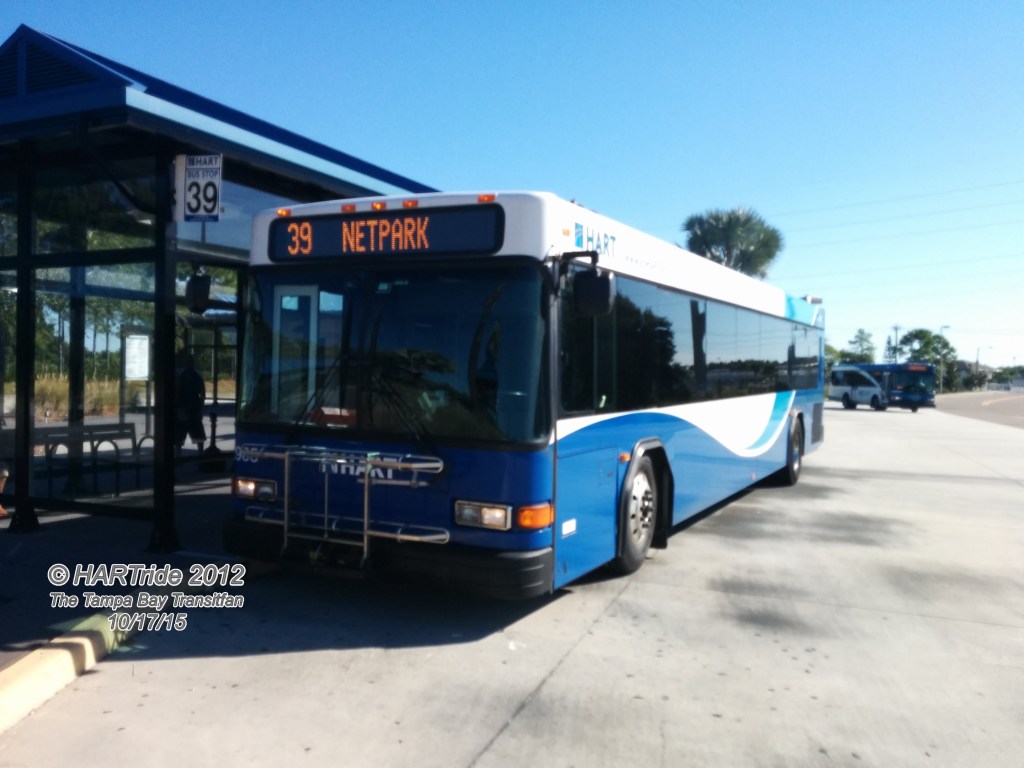
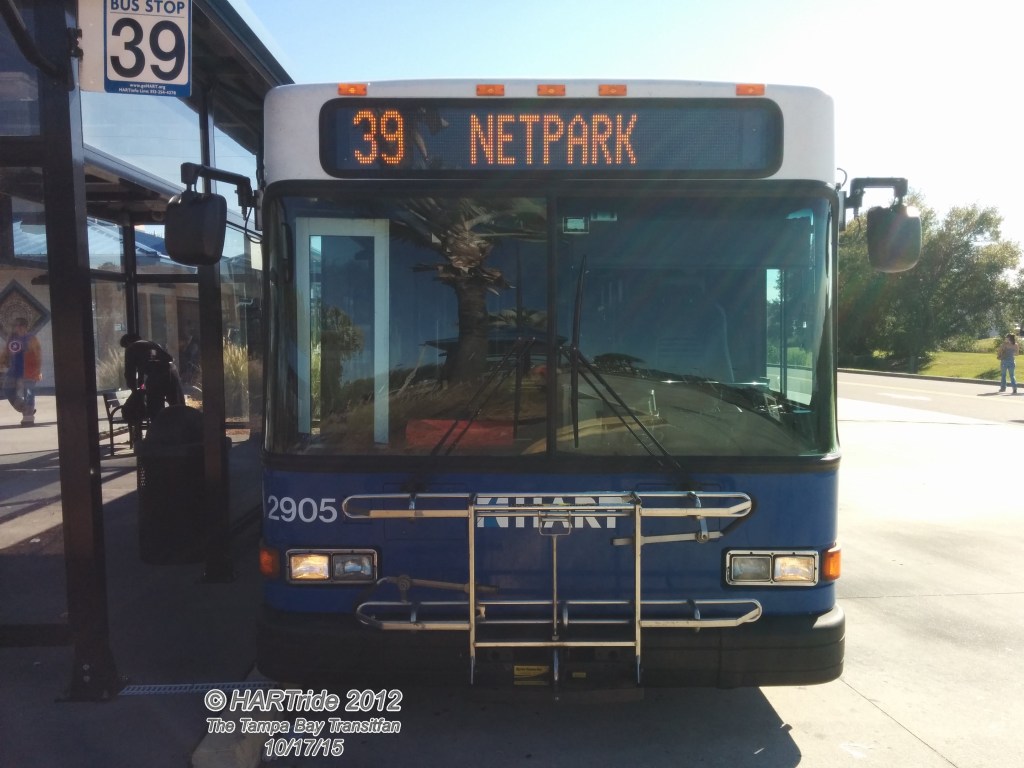













YouTube Video of #2912 in South Tampa – By HARTride 2012 – September, 2009.
Following their retirement from HART, #’s 2913, 2921, & 2923 were purchased by Augusta Transit in Augusta, GA & now operate as #’s 9009, 9010, & 9011 respectively.
2010 40′ Gillig Low Floor
Retired as of 2024
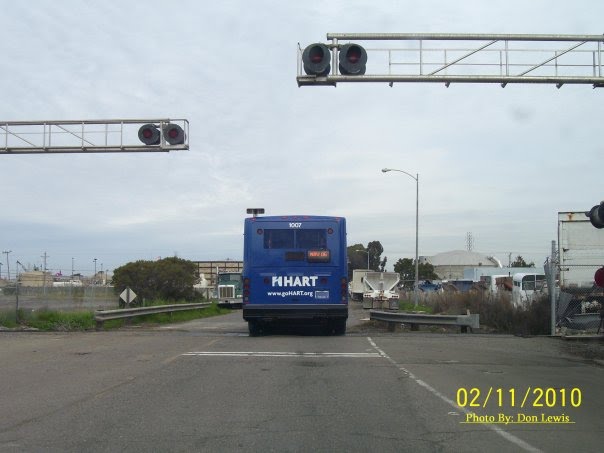
Numbered 1001 through 1029, the 2010-series Gillig Low Floor vehicles were virtually identical to the 2009 fleet.
Mr. Don L. was gracious enough to lend me a few photos of # 1007 as it completed a field test out in Hayward, CA before being delivered to HART.


Now, let’s see these buses in action!


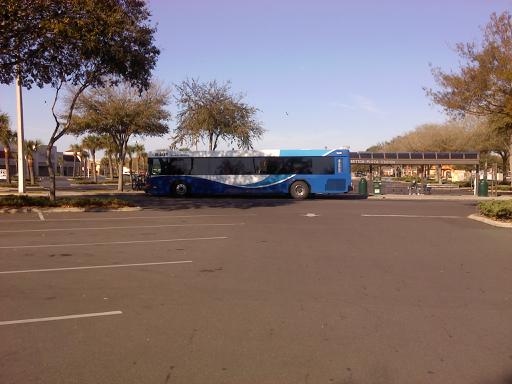


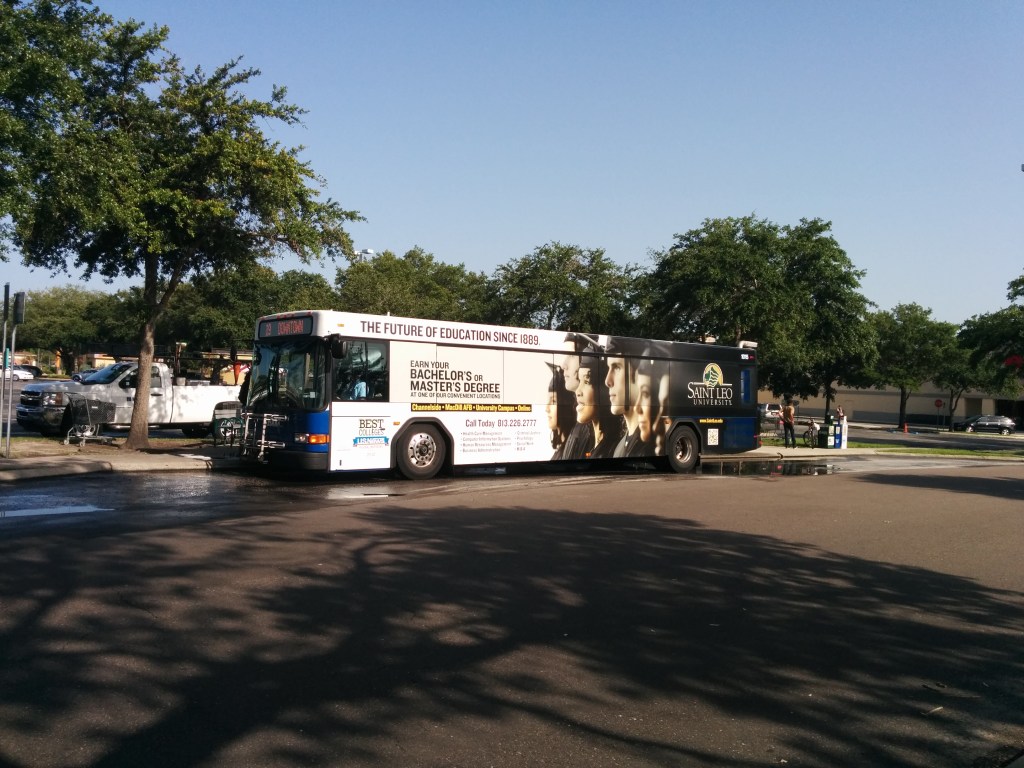
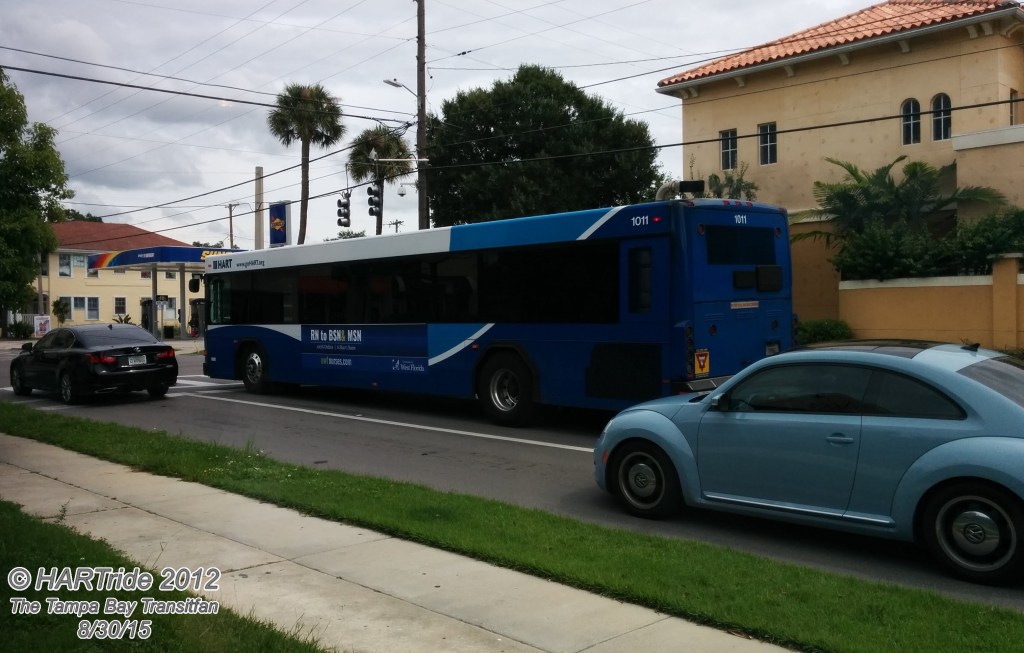


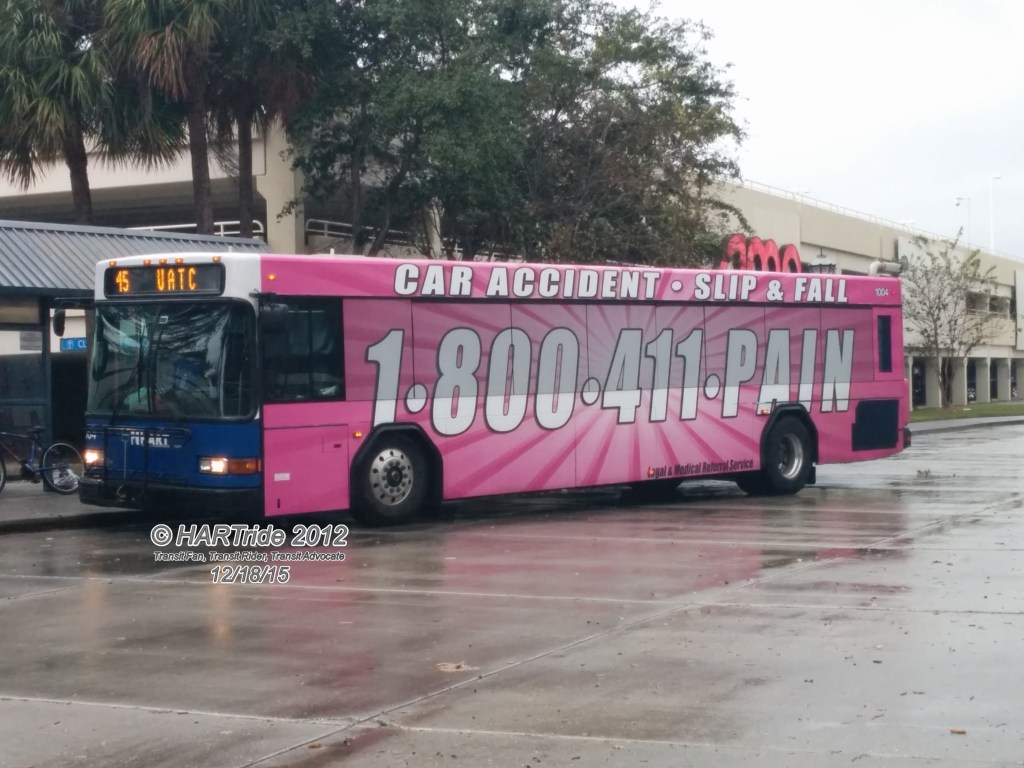
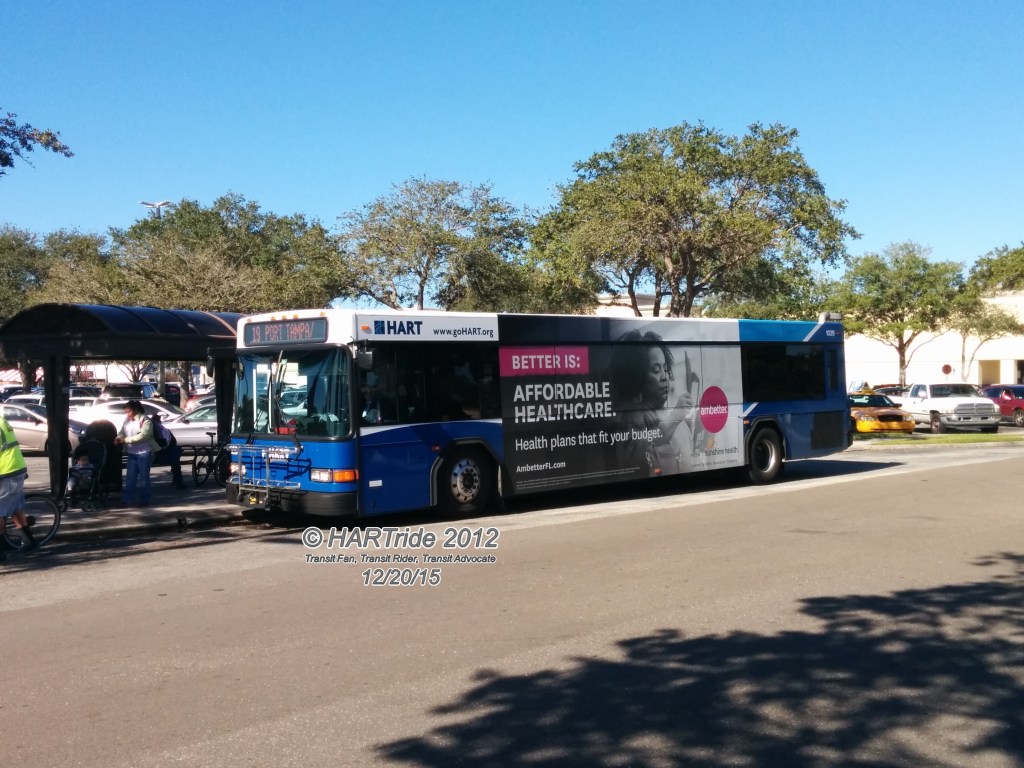


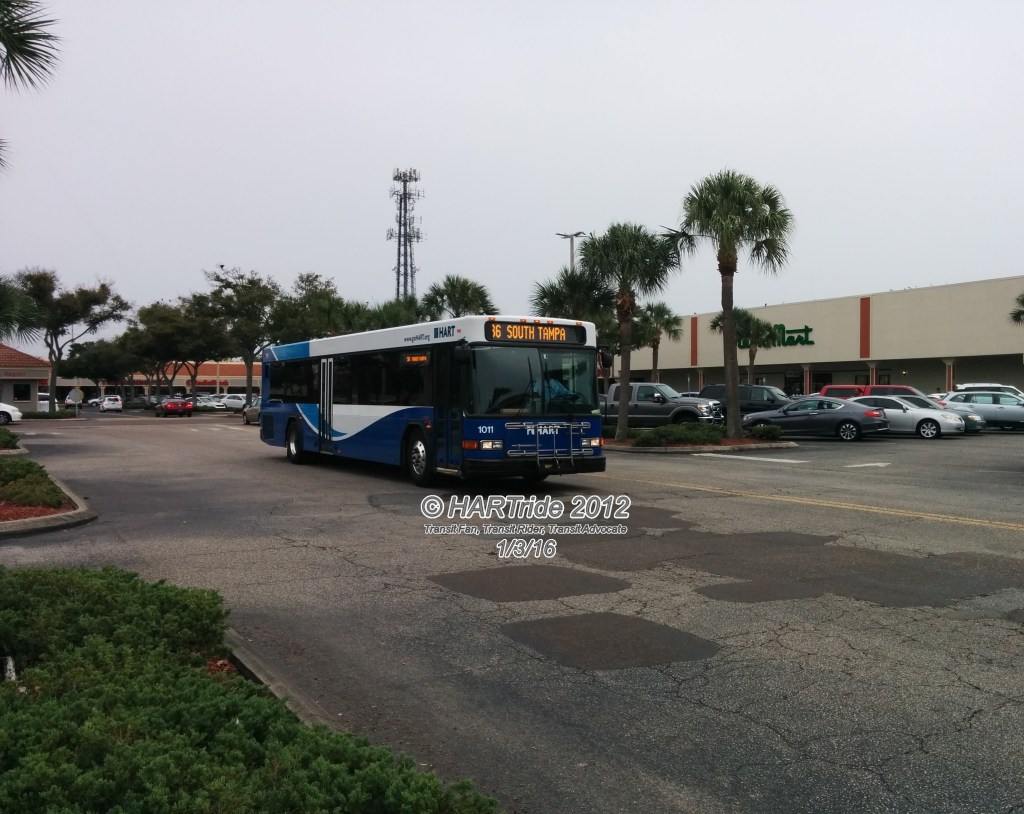


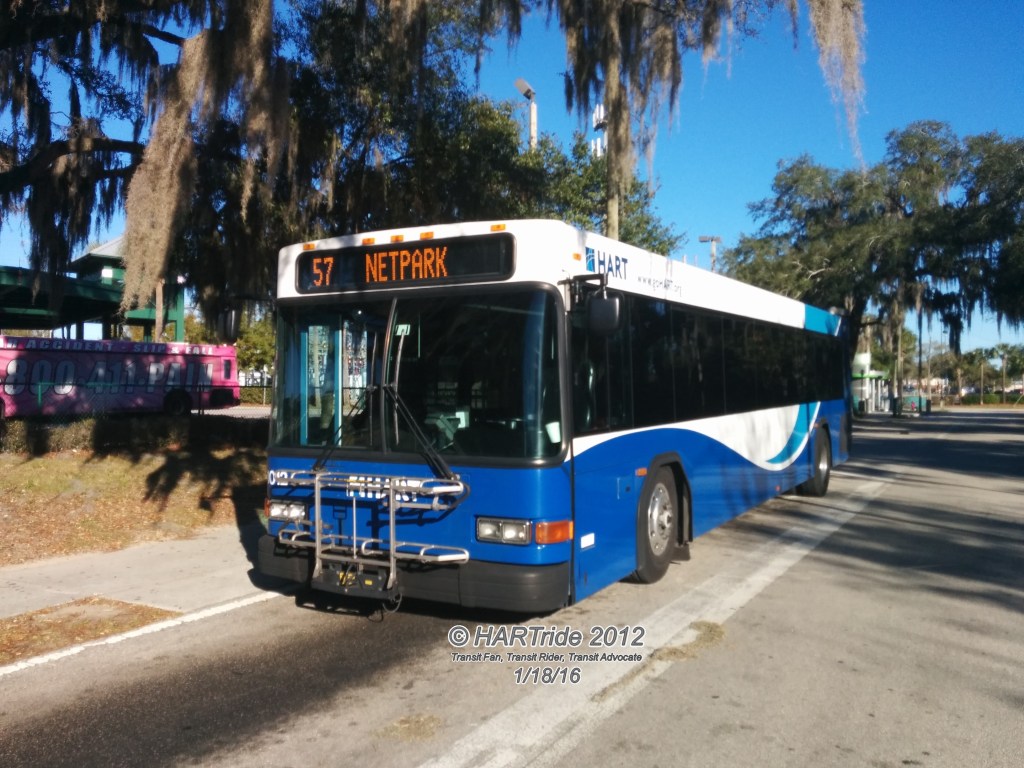

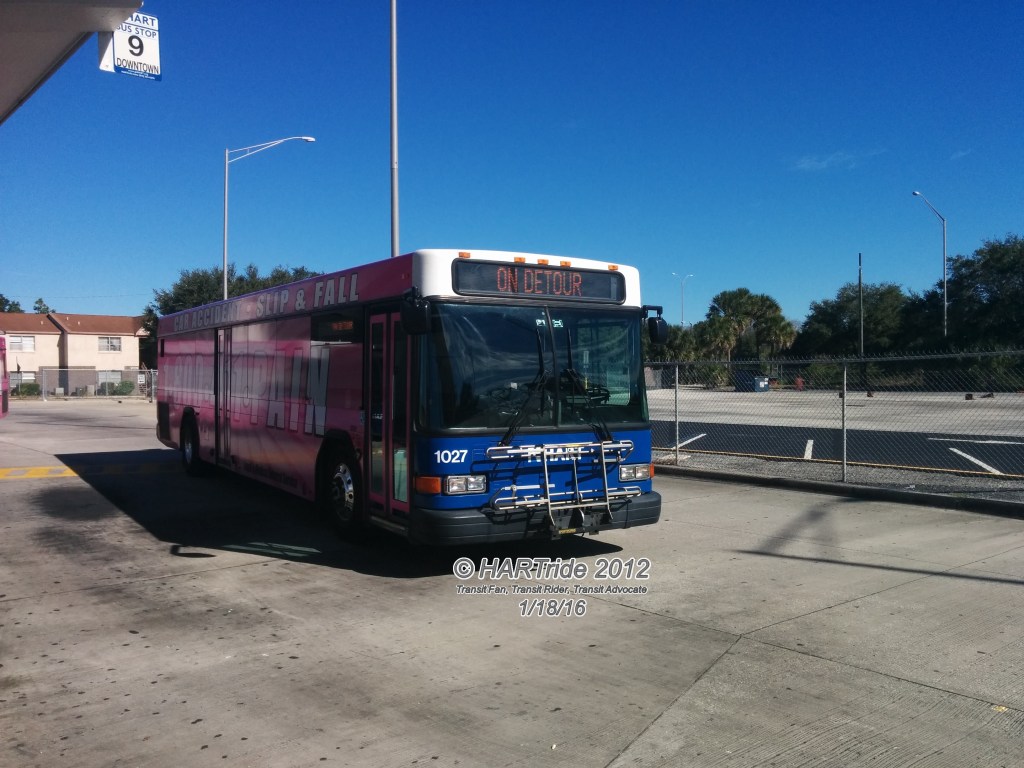
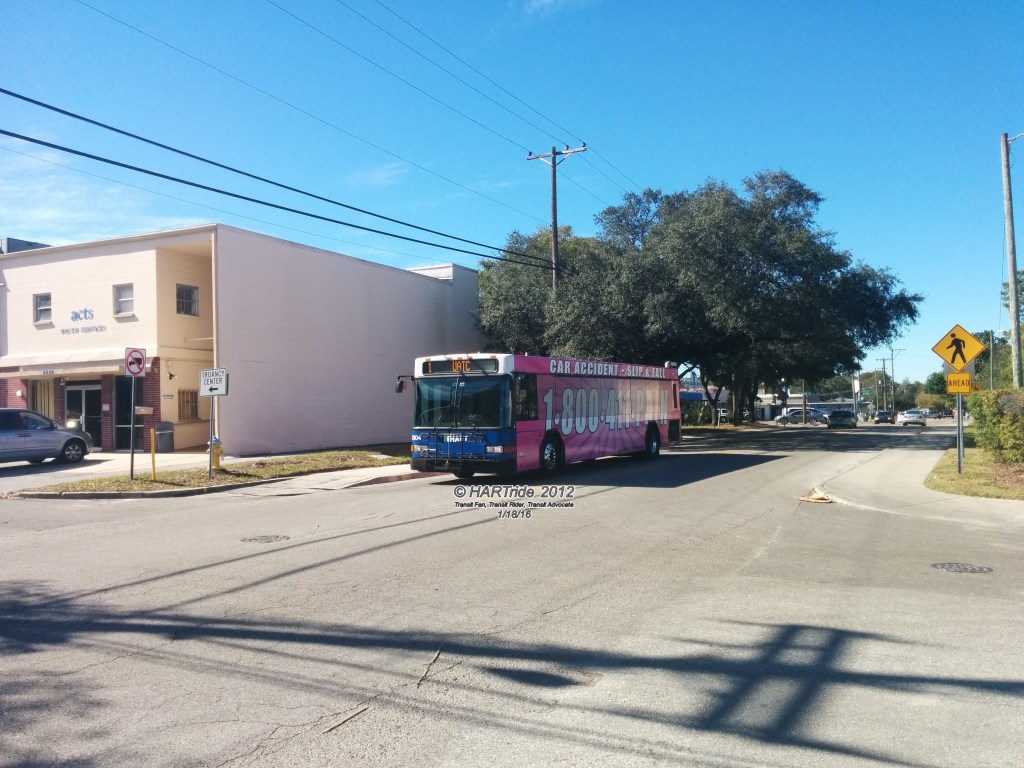
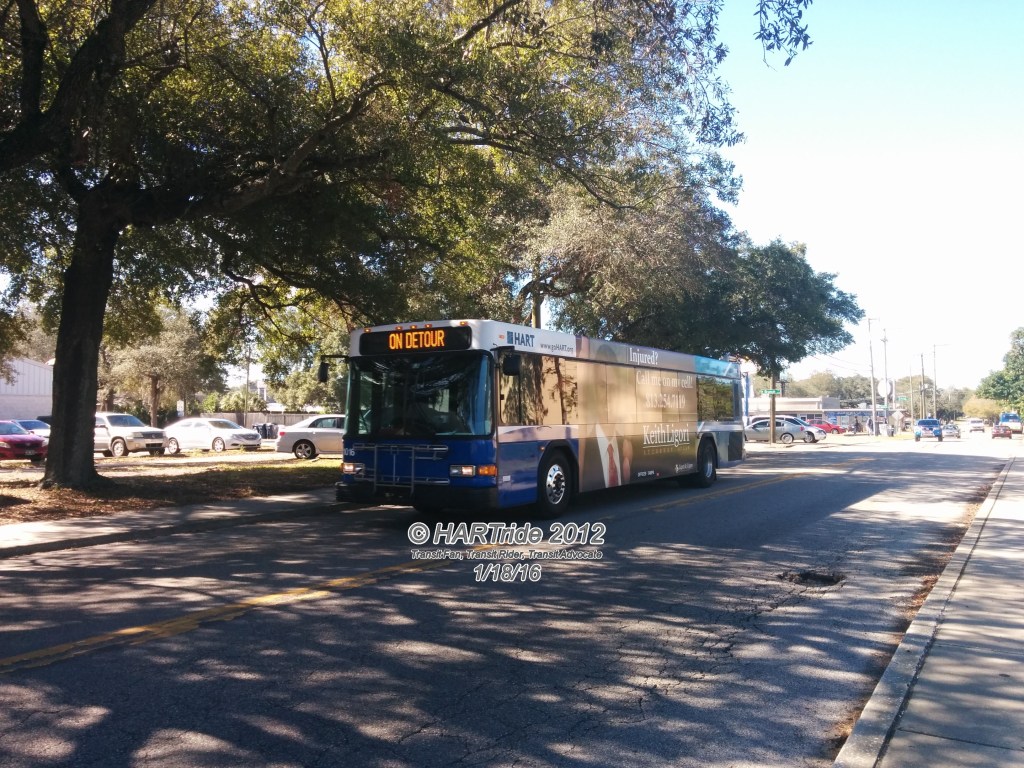



Following its retirement from HART, # 1018 has found its way to the northeast, where it operates as # 220 for Yankee Line – which primarily provides charter bus & contracted transportation services.
On a sad & somber note…
Many in the Tampa Bay region & beyond are aware of the sudden & unfortunate passing of HART bus operator Thomas Dunn. He was driving # 1018 back in May, 2019 when his life was cut short. May he forever rest in peace.
 The Global Transit Guidebook