
Page was created on 10/16/2023
Some Information & Photos in this section were provided by:
Trainz and Planes
Pink Railfan
The Chicago Transit Authority (CTA) is the main public transit operator in the city of Chicago & its inner suburbs. The agency operates 8 elevated urban rail lines & a multitude of bus routes.
Agency Snapshot
Established: October 1, 1947.
Services Provided: Elevated Urban Rail, Local & Express (fixed-route) Bus.
Number of Fixed Bus Routes: 140.
Number of Rail Routes: 8.
Number of Revenue Vehicles: Roughly 1,880 fixed-route buses. Roughly 1,190 railcars.
Number of Major Transit Hubs: Numerous, with some being at rail stations. However, much of the bus network operates on a grid.
NEXT STOPS:
Real-Time Vehicle Predictions/Tracking
System Overview
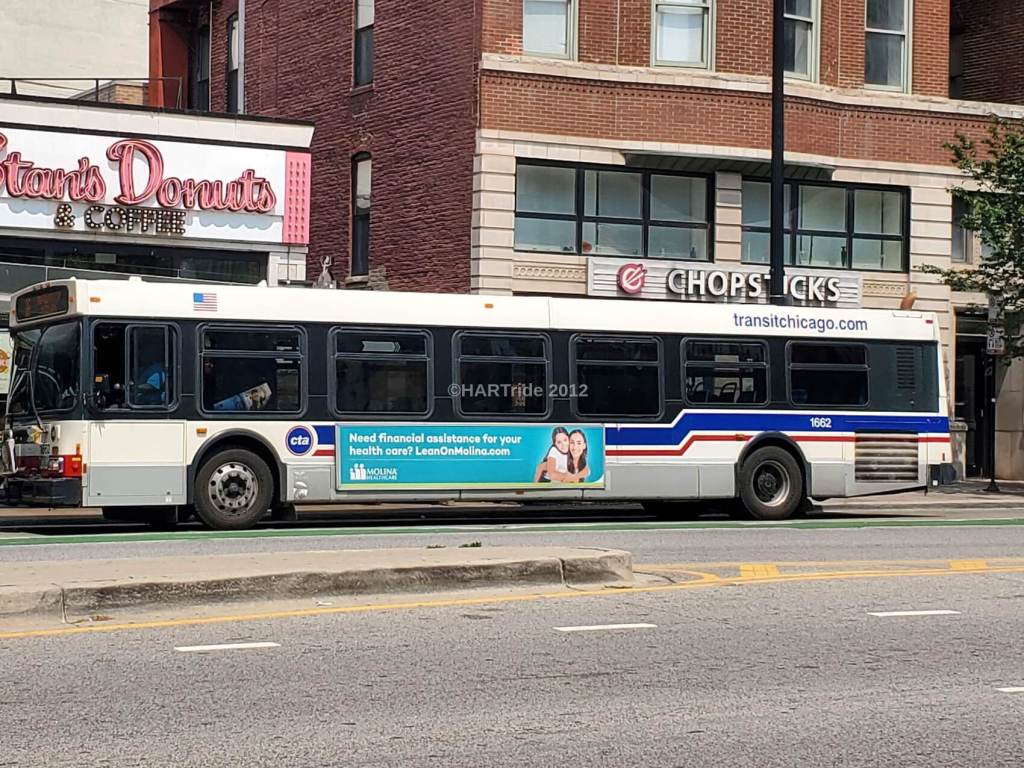
The CTA largely employs a grid system for its bus network, where transfers are done street-side. However, there are hubs located throughout the service area – including at rail stations – where customers can connect to multiple bus routes from a single location. The agency also operates 8 color-coded elevated urban rail lines – called the “L” – to transport customers quickly in & out of the downtown loop.
While the CTA operates bus routes within the inner suburbs, bus service in the outer suburbs are handled by the Regional Transportation Authority Suburban Bus Division, also known as Pace (Pace also handles all paratransit services within the city). Commuter rail services in the Chicago region are operated by the Northeast Illinois Regional Commuter Railroad Corporation, also known as Metropolitan Rail, or simply Metra.
Most CTA local bus routes operate 7-days-a-week, with many operating through late evenings, & some routes operate overnight (OWL) service. Express routes tend to only operate weekday peak hours & other routes may also operate in a limited capacity.
Holiday Schedule
The CTA operates a Sunday-level schedule on most major holidays.
System Routes
Select the route number to view current schedules.
Local & Limited Express Routes
+ Indicates Night Service (Owl) on at least a portion of the route. Owl routes/segments have 24 hour service – though frequency may be less than daytime service.
Routes 1 – 50
- Route 1 – Bronzeville/Union Station.
- Route 3 – King Dr.
- Route 4 – Cottage Grove.+
- Route 7 – Harrison.
- Route 8 – Halsted.
- Route 8A – South Halsted.
- Route 9 – Ashland.+
- Route 11 – Lincoln.
- Route 12 – Roosevelt.
- Route J14 – Jeffrey Jump.
- This is a specialized Limited Express route with non-stop service between Columbus/11th (Museum Campus) & Jeffrey/67th. There are limited stops south of 67th. Service to/from the downtown loop is also provided. For local stops along Jeffrey Blvd, customers may use Route 15 (The north end of Route 15 is the 47th St Red Line station.
- Route 15 – Jeffrey Local.
- Route 18 – 16th/18th.
- Route 20 – Madison.+
- Route 21 – Cermak.
- Route 22 – Clark.+
- Route 24 – Wentworth.
- Route 28 – Stony Island.
- Route 29 – State.
- Route 30 – South Chicago.
- Route 31 – 31st.
- Route 34 – South Michigan.+
- Route 35 – 31st/35th.
- Route 36 – Broadway.
- Route 37 – Sedgwick.
- Route 39 – Pershing.
- Route 43 – 43rd.
- Route 44 – Wallace/Racine.
- Route 47 – 47th.
- Route 48 – South Damen.
- Route 49 – Western.+
- Route 49B – North Western.
- Route 50 – Damen.
Routes 51 – 81
- Route 51 – 51st.
- Route 52 – Kedzie.
- Route 52A – South Kedzie.
- Route 53 – Pulaski.+
- Route 54 – Cicero.
- Route 54A – North Cicero/Skokie Blvd.
- Route 54B – South Cicero.
- Route 55 – Garfield.+
- Route 55A – 55th/Austin.
- Route 55N – 55th/Narragansett.
- Route 56 – Milwaukee.
- Route 57 – Laramie.
- Route 59 – 59th/61st.
- Route 60 – Blue Island/26th.
- Route 62 – Archer.+
- Route 62H – Archer/Harlem.
- Route 63 – 63rd.+
- Route 63W – West 63rd.
- Route 65 – Grand.
- Route 66 – Chicago.+
- Route 67 – 67th/69th/71st.
- Route 68 – Northwest Hwy.
- Route 70 – Division.
- Route 71 – 71st/South Shore.
- Route 72 – North.
- Route 73 – Armitage.
- Route 74 – Fullerton.
- Route 75 – 74th/75th.
- Route 76 – Diversey.
- Route 77 – Belmont.+
- Route 78 – Montrose.
- Route 79 – 79th.+
- Route 80 – Irving Park.
- Route 81 – Lawrence.+
- Route 81W – West Lawrence.
Routes 82 – 207
- Route 82 – Kimball/Homan.
- Route 84 – Peterson.
- Route 85 – Central.
- Route 85A – North Central.
- Route 86 – Narragansett/Ridgeland.
- Route 87 – 87th.+
- Route 88 – Higgins.
- Route 90 – Harlem
- Route 91 – Austin.
- Route 92 – Foster.
- Route 93 – California/Dodge.
- Route 94 – California.
- Route 95 – 95th.
- Route 96 – Lunt.
- Route 97 – Skokie.
- Route 103 – West 103rd.
- Route 106 – East 103rd.
- Route 108 – Halsted/95th.
- Route 111 – 111th/King Dr.
- Route 111A – Pullman Shuttle.
- Route 112 – Vincennes/111th.
- Route 115 – Pullman/115th.
- Route 119 – Michigan/119th.
- Route 124 – Navy Pier.
- Route 126 – Jackson.
- Route 151 – Sheridan.
- Route 152 – Addison.
- Route 155 – Devon.
- Route 156 – LaSalle
- Route 157 – Streeterville/Taylor.
- Route 165 – West 65th.
- Route 171 – University of Chicago/Hyde Park.
- Route 172 – University of Chicago/Kenwood.
- Route 201 – Central/Ridge.
- Route 206 – Evanston Circulator.
Routes 208 & higher are assigned to the Pace System.
Express Routes
* Indicates event service only.
Routes 2 – 26
Routes 27 – 128
Routes 129 – 192
Other Bus Routes
This lists bus routes that have limited scope, such as employee shuttles.
This list includes seasonal routes^.
Elevated Urban Rail Lines (the “L”)
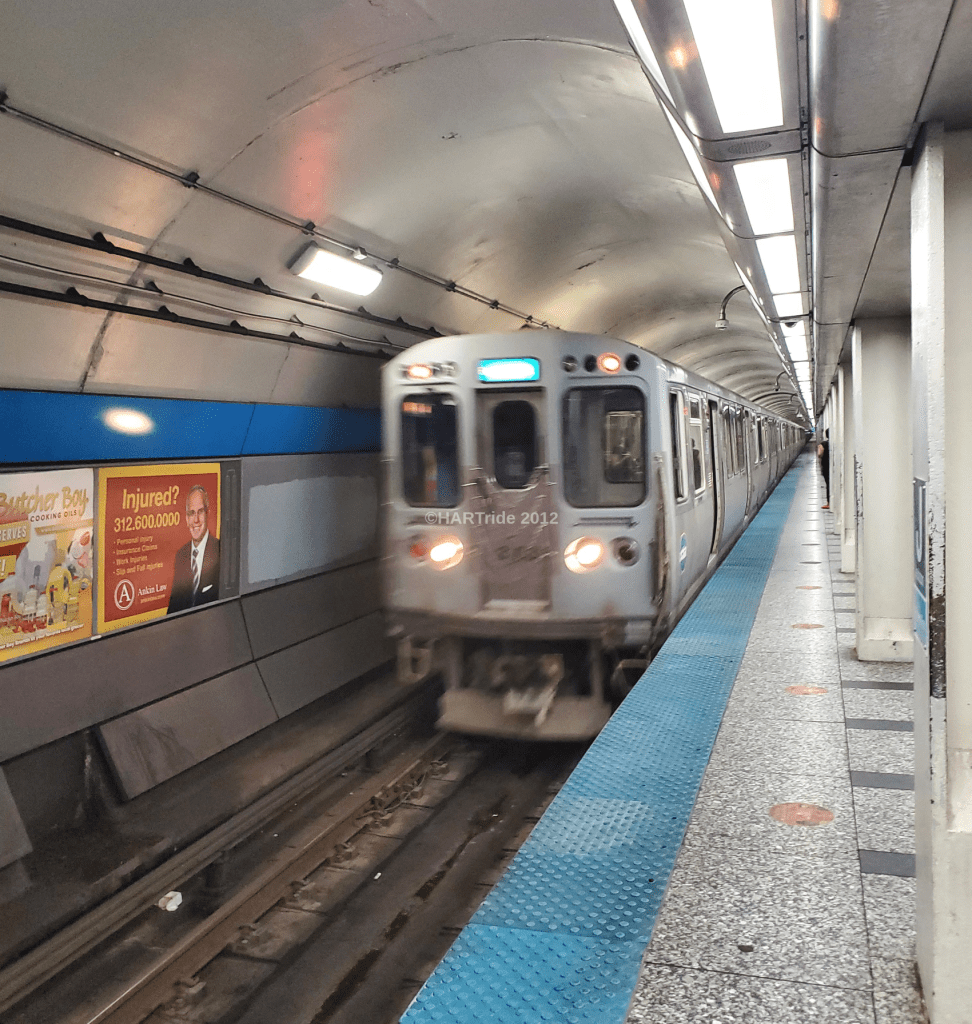
The Chicago “L” is a fast, safe, reliable, & convenient way to access major points throughout Chicago, including the downtown loop. 7 of the network’s lines connect into downtown (with 1 line operating in/out of downtown during weekday peak periods only). Most lines operate late evening service, with 2 lines operating around the clock.
- Blue Line.
- The north branch – known as the O’Hare branch – serves O’Hare International Airport.
- Brown Line.
- Green Line.
- The southern termini are split into two branches, the Cottage Grove branch & the Ashland branch.
- Orange Line.
- Serves Midway International Airport.
- Pink Line.
- Purple Line Local.
- Operates at all times, except overnights, with service from Howard Station northward.
- Purple Line Express.
- Operates during weekday peak periods only – making all stops north of Howard Station. Trains make express stops south of Howard, using the downtown loop to turn around.
- Red Line.
- Yellow Line (temporarily suspended following the 11/26/23 railcar incident).
- Also known by its original service name, the Skokie Swift.
Fare Structure
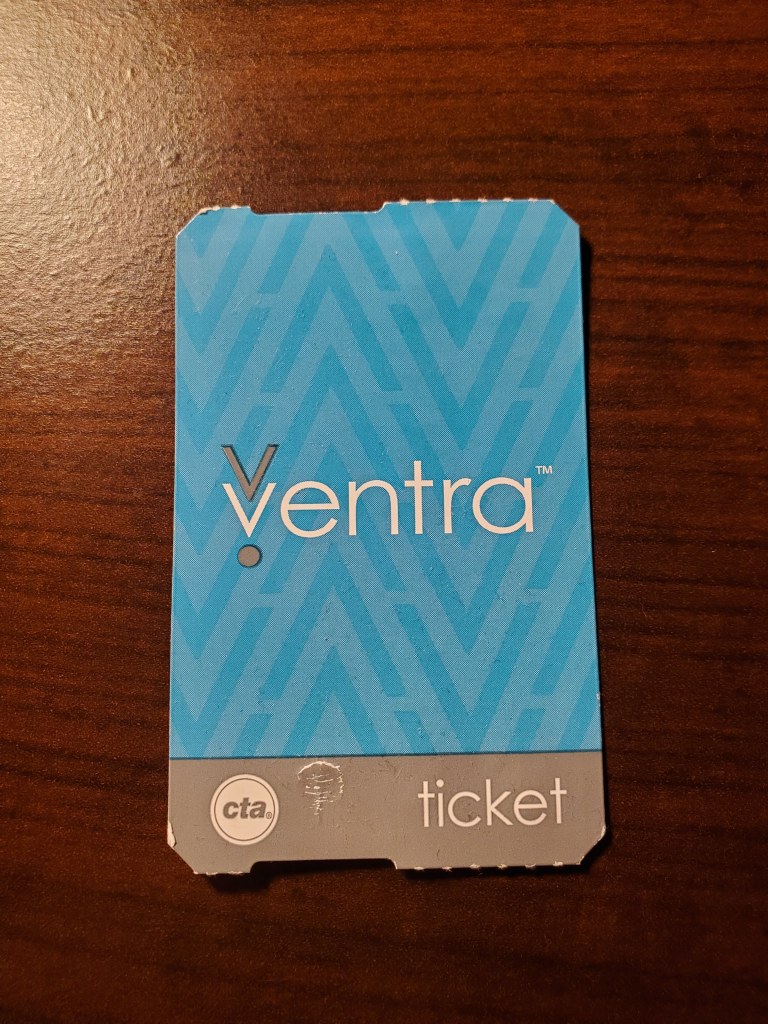
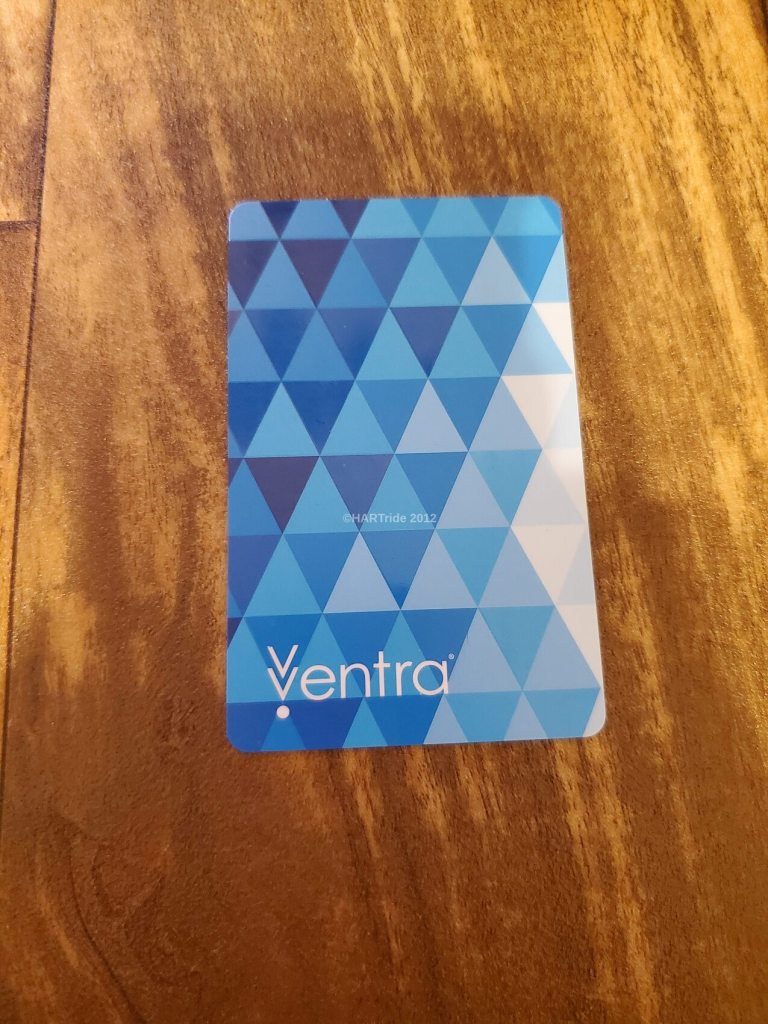
The CTA accepts cash for one-way bus fares. However, the preferred payment method is the Ventra Card – which is a smartcard system that allows customers to load a desired amount & simply tap & go to pay their fare. For those only intending to ride the CTA system a couple of times during a period of time, disposable Ventra Tickets are also available.
Contactless debit & credit cards, as well as mobile wallet apps (such as Google Pay) are also accepted. As with other transit agencies, if you decide to pay using cash, please use exact change. Bus operators cannot handle change. All Ventra ticket/card vending machines accept cash.
Vehicle Fleet
Being a larger transit agency, the CTA has roughly 1,880 buses & 1,190 railcars. A chunk of the agency’s bus fleet was manufactured by Nova Bus, with the other chunk being produced by New Flyer Industries. The agency also possesses a small fleet of Proterra Catalyst battery electric buses. For the “L” system, the oldest active railcar fleet was manufactured by Budd Company, with subsequent active fleets being produced by Morrison-Knudsen & Bombardier respectively. The next generation of railcars are currently being produced by CRRC Sifang America.
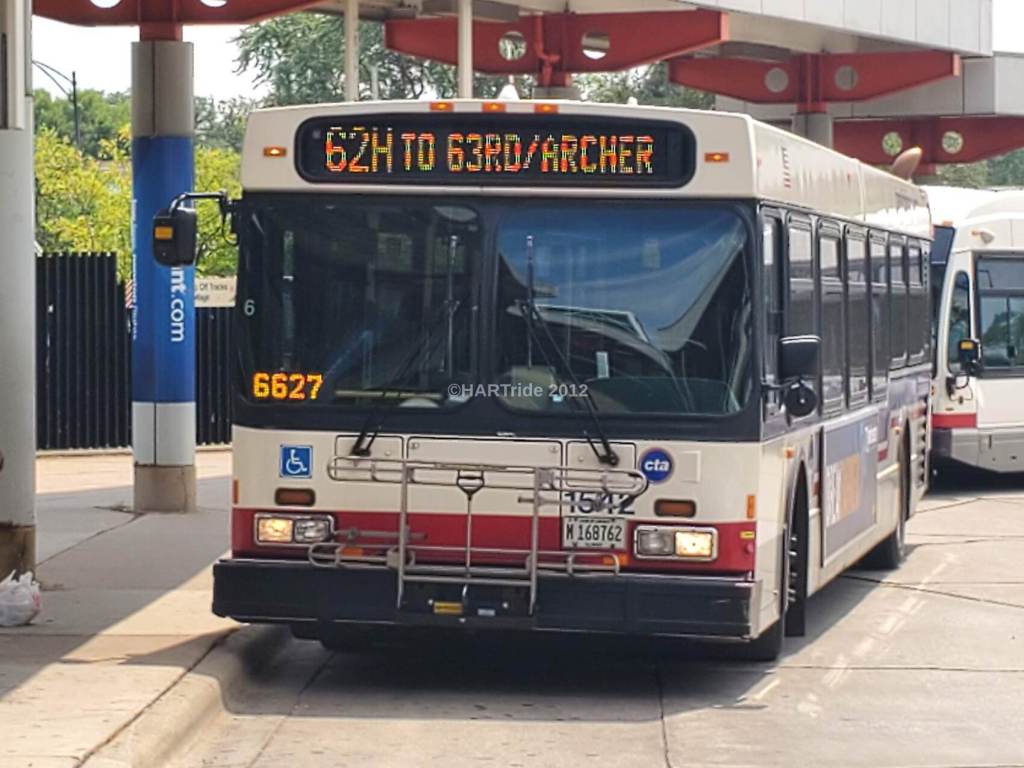
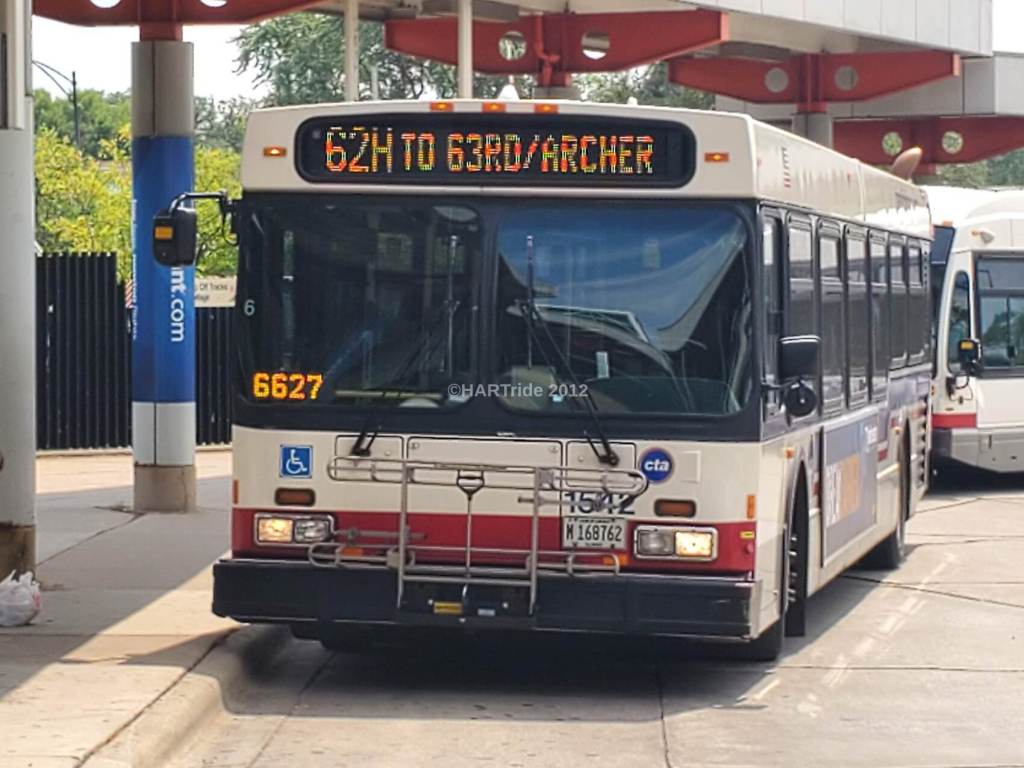
New Flyer D40LF
Part of the oldest generation of low floor buses produced by New Flyer, the D40LF has been a long-time powerhouse of the CTA fleet. These buses are steadily being replaced by newer Nova Bus LFS models.
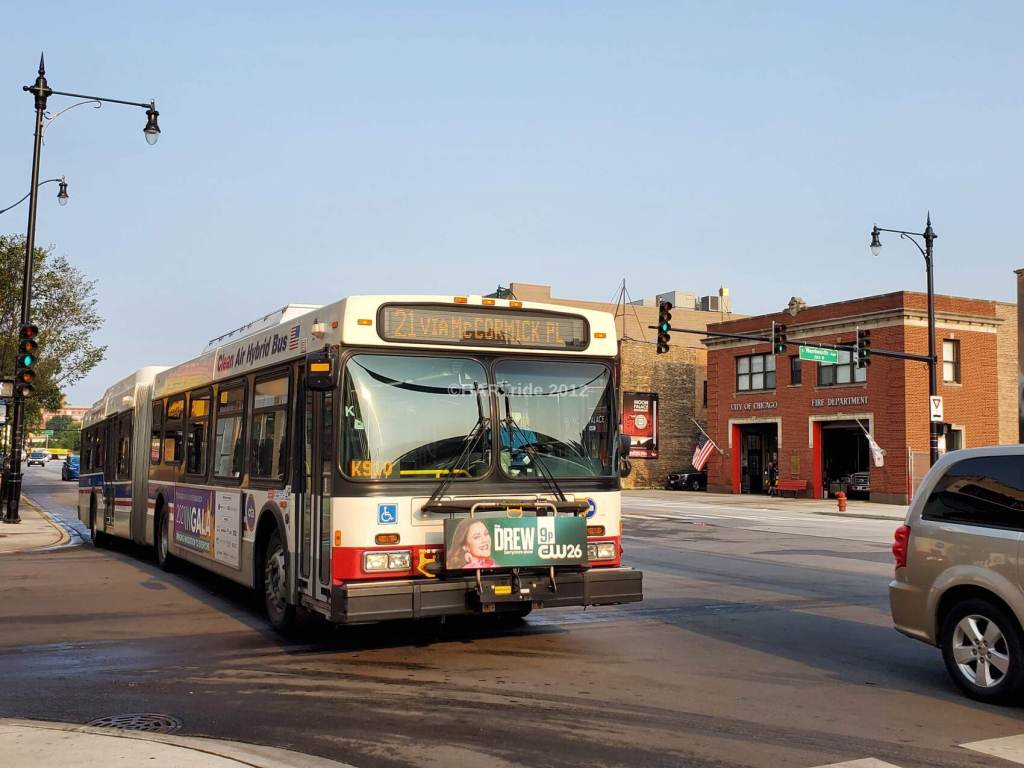
New Flyer D60LF & DE60LF
Part of the oldest generation of low floor buses produced by New Flyer, the D60LF is the articulated version of the D40LF. The CTA also operates diesel-electric hybrid versions – the DE60LF.
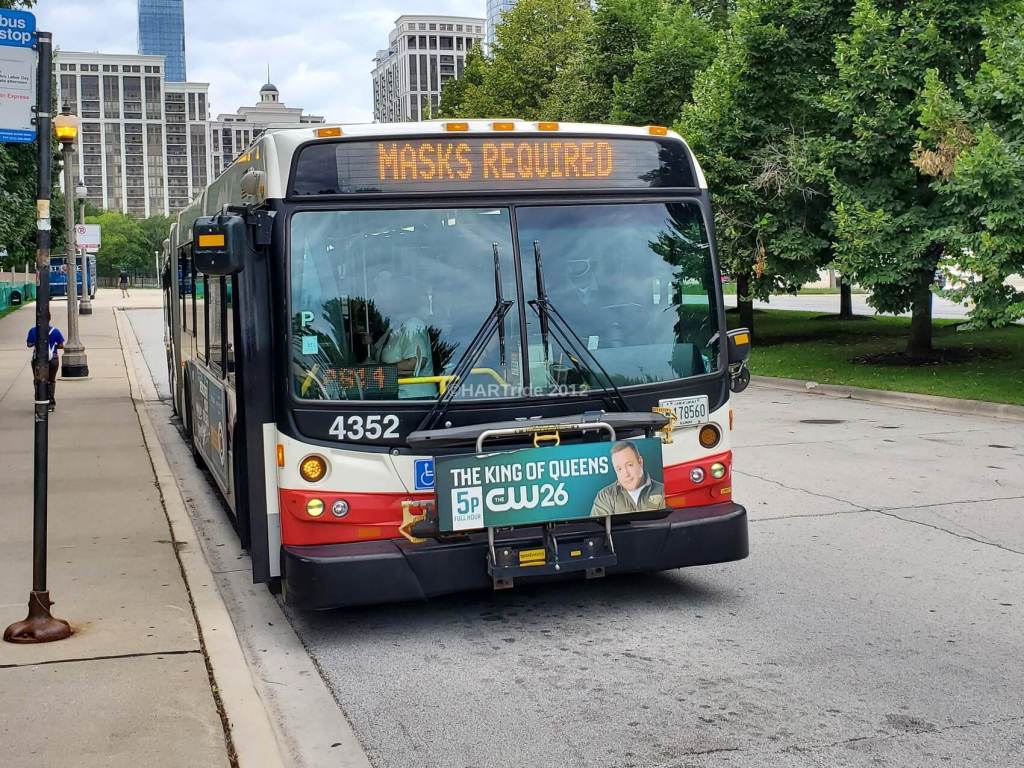
New Flyer D60LFR & DE60LFR
The D60LFR & DE60LFR are restyled versions of their predecessor low floor buses, featuring a curved front end. The current Xcelsior line of buses is the replacement for the LFR line.
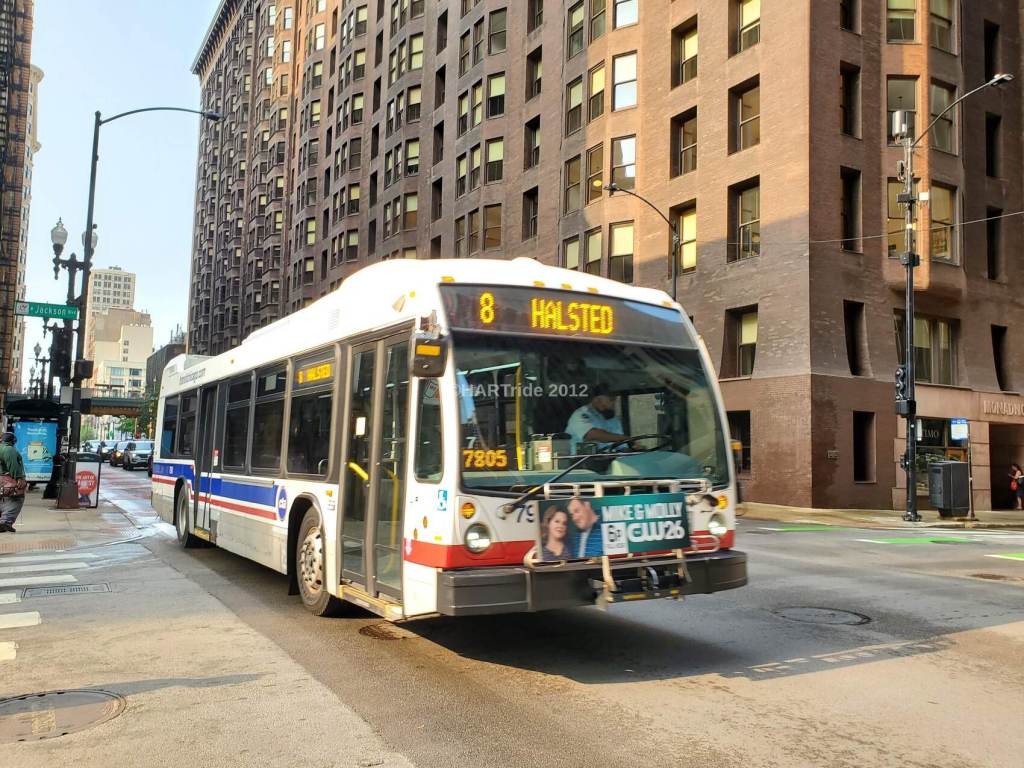
Nova Bus LFS
Seen as a powerhouse at many larger transit agencies, the Nova Bus LFS is currently replacing all of the older New Flyer 40′ units.

Proterra Battery Electrics
The CTA currently has 25 Proterra Catalyst units, with 25 ZX5 units on order. It is currently unclear if the manufacturer’s recent bankruptcy filing will impact the upcoming order.

New Flyer Xcelsior “Charge”
The CTA currently has 2 New Flyer XE40 units. However, I’ve been advised that they’ve seen somewhat limited service. There are currently no concrete plans to order additional units.
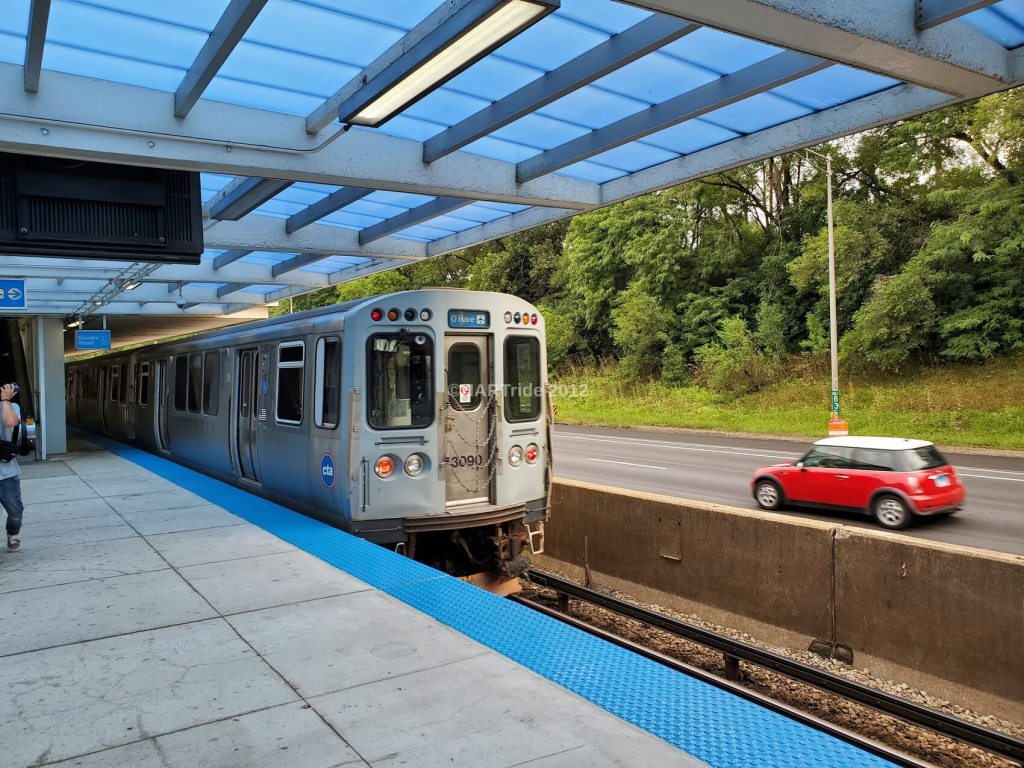
Budd 2600-Series
Many transit riders & enthusiasts may think of New York City’s iconic R32 subway railcars when it comes to the Budd Company, but they also manufactured the oldest active urban railcar fleet for the Windy City! The fleet was rehabbed by Alstom between 1999 & 2002. Be sure to get your rides on them should you visit, as the new 7000-Series railcars are slated to replace them.
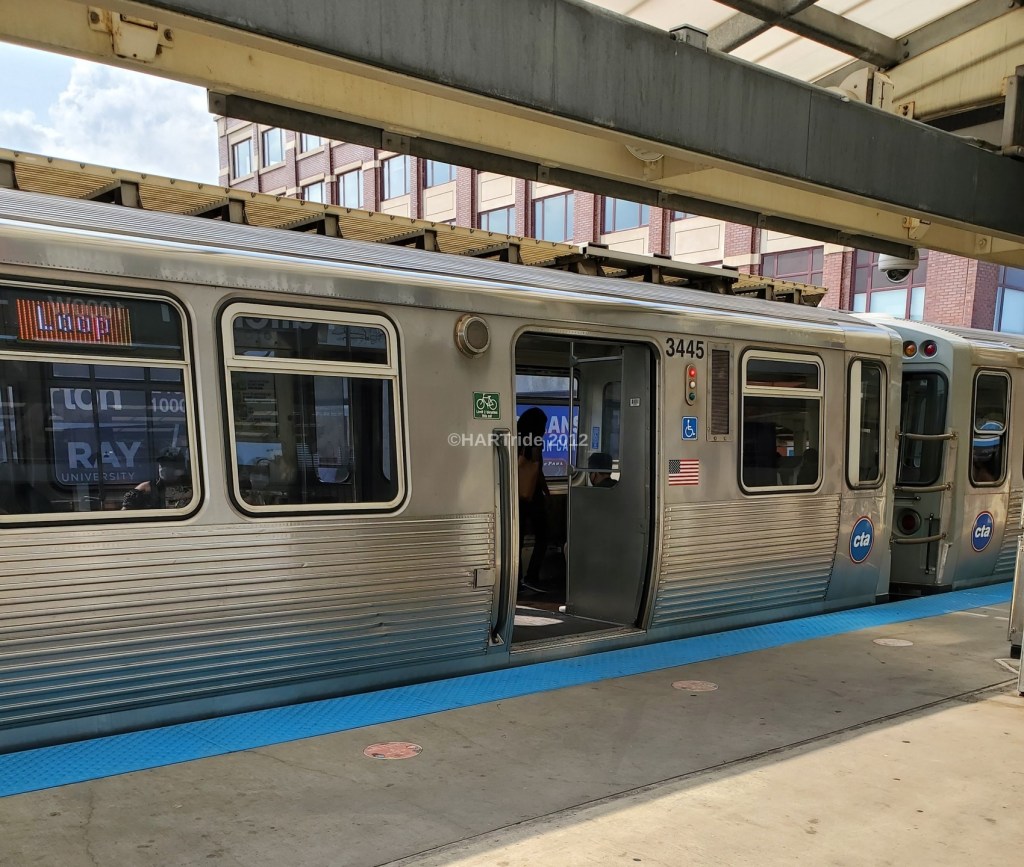
Morrison-Knudsen 3200-Series
The 3200-Series railcars are somewhat similar in appearance to the 2600-Series, but are flanked with ribbed side exterior panels. Some trains were originally fitted with rooftop pantographs for service on the Yellow Line prior to it being converted to third rail power. Trains have been fitted with digital exterior destination signs as part of mid-life rehab.
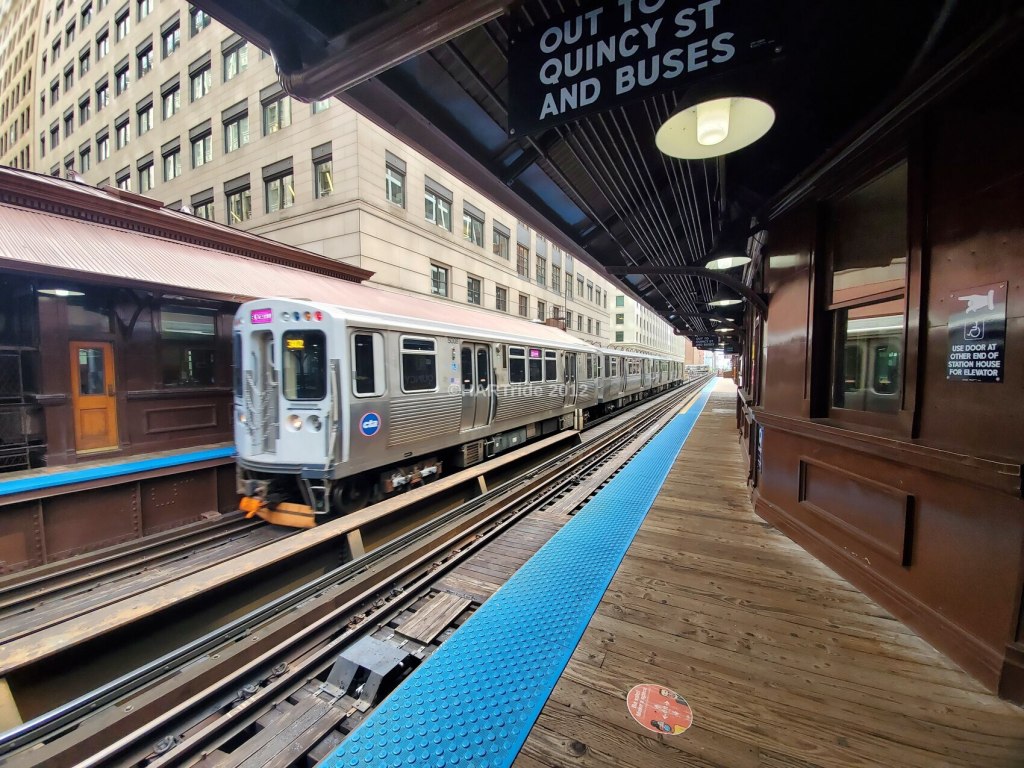
Bombardier 5000-Series
The 5000-Series ushered in the beginning of new generation, technoligically advanced railcars for the “L”. Fitted with AC (alternating current) traction equipment, customers are able to enjoy a smooth, comfortable ride in comparison to the older trains. Exterior & interior LED signs provide information to customers in a manner by which they can be changed quickly if needed.
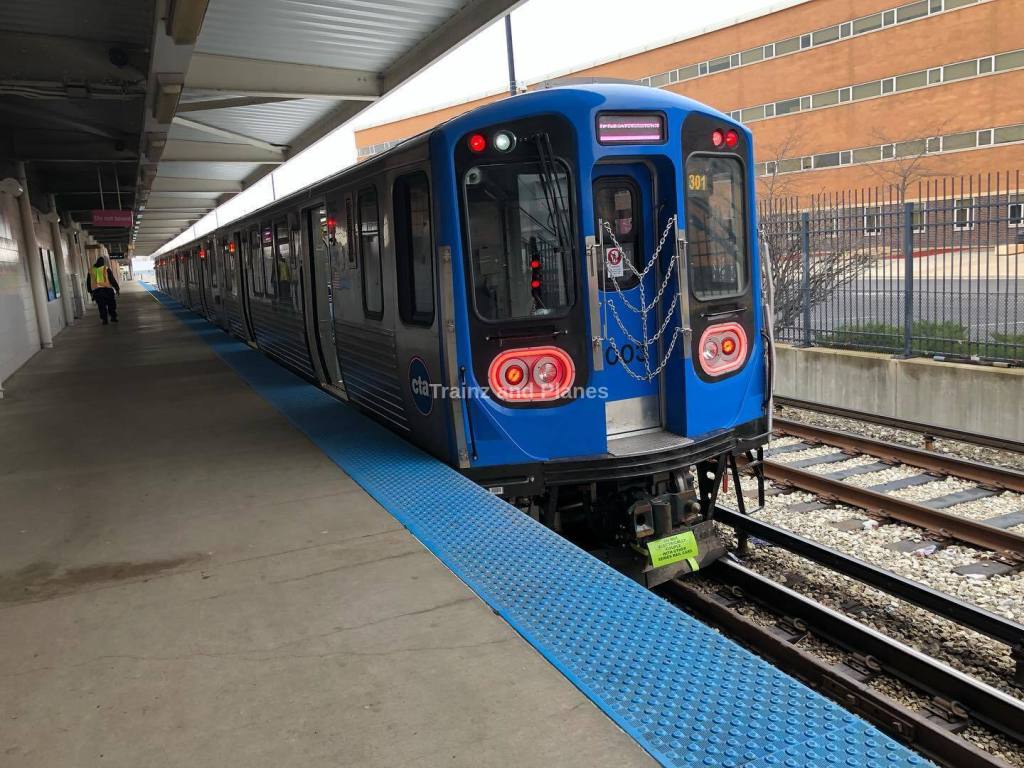
CRRC 7000-Series
The 7000-Series, while somewhat similar in appearance to the 5000-Series, features technological advancements & a unique blue front end. The seating arrangement & other elements of the train are hybrid between the 3200-Series & the 5000-Series (for instance: the 3200-Series trains feature mostly transverse seating, while the 5000-Series trains feature mostly longitudinal seating).
A detailed fleet photo gallery is coming in the distant future.
 The Global Transit Guidebook